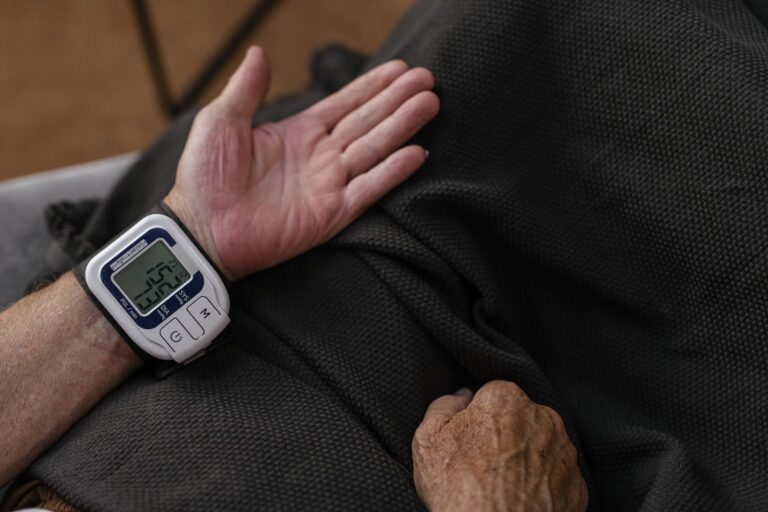
Rare moment sits at the center of this dementia and brain health question.
In rare but increasingly documented cases, transplant patients have been able to stop taking immunosuppressive drugs entirely — and their bodies simply accept the donated organ as their own. This phenomenon, known as operational tolerance, occurs spontaneously in less than 5% of kidney transplant recipients and up to 20% of liver transplant recipients. It is often discovered by accident, when patients stop their medications due to non-compliance or serious side effects and their doctors realize the graft is functioning normally without pharmaceutical help. For the vast majority of transplant recipients, this remains an elusive goal, but several clinical trials are now attempting to engineer this outcome deliberately. One of the most striking recent examples is Karina, a kidney transplant patient at UCLA.
She received a kidney from her sister Rosa in October 2023, then underwent a follow-up infusion of Rosa’s blood stem cells in September 2024 through a delayed tolerance trial. Since that infusion, Karina has stopped taking all immunosuppressive medications. Before the trial, she suffered from insomnia, burning sensations in her fingers and toes, and the burden of a twice-daily pill schedule at 8 a.m. and 8 p.m. Her case represents the kind of breakthrough that researchers have been working toward for decades. This article examines what operational tolerance actually is, the clinical trials at UCLA and Mayo Clinic that are producing real results, a gene-editing approach that eliminated the need for immunosuppression in a Type 1 diabetes patient, how liver transplant recipients may have a natural advantage, and the critical limitations that anyone following this research should understand.
Table of Contents
- What Happens When a Transplant Patient No Longer Needs Immunosuppression?
- How Mixed Chimerism Tricks the Immune System Into Accepting a New Organ
- The Mayo Clinic Trial That Got 75% of Patients Off Immunosuppression
- Gene Editing and the Immunosuppression-Free Transplant for Type 1 Diabetes
- Why Liver Transplant Patients Have a Natural Advantage
- The Relevance to Brain Health and Dementia Research
- What Still Stands Between Research and Routine Clinical Practice
- Conclusion
- Frequently Asked Questions
What Happens When a Transplant Patient No Longer Needs Immunosuppression?
The immune system is built to attack anything it recognizes as foreign. After an organ transplant, immunosuppressive drugs act as a chemical leash on that response, preventing the body from destroying the donated tissue. These medications — typically calcineurin inhibitors, corticosteroids, and antiproliferative agents — carry serious long-term consequences. They increase vulnerability to infections, elevate cancer risk, contribute to diabetes and cardiovascular disease, and cause kidney damage even in patients who received a kidney transplant to escape kidney failure in the first place. For a patient who achieves operational tolerance, all of that disappears. Operational tolerance means the transplanted organ functions normally without immunosuppressive drugs, and the patient shows no increased susceptibility to infection. It is not the same as the organ simply surviving — it requires that the recipient’s immune system has genuinely recalibrated to accept the graft as self.
Researchers have identified certain biomarkers associated with this state, but predicting who will achieve it spontaneously remains unreliable. Most documented cases of spontaneous tolerance have been discovered retrospectively, which makes them difficult to study prospectively. The critical distinction is between patients who stop medications and happen to be fine, and patients whose immune systems have undergone a fundamental shift in how they categorize the donor organ. Compared to the lifelong drug regimen, operational tolerance represents a fundamentally different relationship between patient and graft. However, it carries its own risks. A patient who appears tolerant may experience late rejection months or years after stopping medication, and without careful monitoring, that rejection can cause irreversible organ damage. This is why researchers are not simply telling patients to stop their pills — they are trying to build tolerance through deliberate biological interventions.

How Mixed Chimerism Tricks the Immune System Into Accepting a New Organ
The most promising strategy for inducing tolerance in kidney transplant patients involves a concept called mixed chimerism. The idea is deceptively simple: if the recipient’s bone marrow contains both their own blood-forming stem cells and those of the donor, the immune system grows up alongside donor cells and learns to treat them as part of the family. The transplanted kidney, which shares the donor’s genetic identity, is then recognized as self rather than foreign. UCLA’s delayed tolerance protocol puts this concept into practice. Funded by a $6.7 million grant from the California Institute for Regenerative Medicine, the trial delivers an infusion of the donor’s blood stem cells to the transplant recipient months after the original kidney transplant. Those stem cells integrate into the recipient’s bone marrow, creating a mixed population of donor and recipient immune cells.
In Karina’s case, the infusion came nearly a year after her transplant, and the result was the complete withdrawal of immunosuppression. Starting in January 2026, the trial expanded to include patients who received kidney transplants up to 20 years ago — a significant broadening of eligibility that suggests the approach may not be limited to recent transplants. However, mixed chimerism is not without complications. Achieving stable chimerism requires careful conditioning of the recipient’s immune system, often involving some degree of radiation or chemotherapy to make space in the bone marrow for donor cells. If chimerism is lost — if the donor stem cells fail to engraft permanently — the tolerance may collapse and rejection can follow. The balance between enough conditioning to establish chimerism and too much conditioning that causes toxicity is one of the central challenges researchers face. This is not a procedure that works by simply adding donor cells and hoping for the best.
The Mayo Clinic Trial That Got 75% of Patients Off Immunosuppression
A phase 3 randomized clinical trial, published in the American Journal of Transplantation, tested a simultaneous kidney and stem cell transplant from closely matched siblings. The protocol involved transplanting the kidney, subjecting the recipient to radiation conditioning, and then infusing the donor’s stem cells. The goal was to stop immunosuppression after one year. The results were remarkable by transplant standards. Seventy-five percent of participants were able to stop immunosuppressive medications for more than two years. At Mayo Clinic specifically, three patients participated in the trial: two have been off immunosuppression for over three years, and the third remains on a low dose.
Dr. Mark Stegall, who led the research at Mayo, has described the results as a proof of concept that tolerance induction is achievable in a controlled clinical setting, not just as a lucky accident. The major limitation is that the trial required closely matched sibling donors. Most transplant recipients do not have a closely matched sibling available, which restricts how many patients could benefit from this exact protocol. Researchers are now investigating whether the approach can work with less closely matched donors, including unrelated living donors and possibly deceased donors. Until that question is answered, the Mayo protocol remains a powerful demonstration that engineered tolerance is possible, but one with a narrow eligibility window. For patients who do have a matched sibling donor, this data is among the most compelling evidence that life without immunosuppression after a kidney transplant is within reach.
Gene Editing and the Immunosuppression-Free Transplant for Type 1 Diabetes
While kidney and liver transplant researchers pursue mixed chimerism, an entirely different approach has emerged from the field of gene editing. Published in the New England Journal of Medicine on September 4, 2025, a first-in-human study demonstrated that CRISPR-edited donor islet cells could be transplanted into a patient with long-standing Type 1 diabetes — with zero immunosuppression from day one. The study used a hypoimmune platform, or HIP technology, developed by Sana Biotechnology. The approach edits donor cells using CRISPR-Cas12b to silence HLA class I and class II genes, which are the primary targets the immune system uses to identify foreign tissue. The edited cells also overexpress CD47, a protein that acts as a “don’t eat me” signal to innate immune cells like macrophages. The combination allows the transplanted cells to evade both the adaptive and innate arms of the immune system.
In this case, the edited islet cells were transplanted into the forearm muscle of the patient — a notable departure from traditional islet transplantation into the liver. At 12 weeks, the cells showed no immune rejection and demonstrated glucose-responsive insulin secretion, confirmed by C-peptide measurements. At six months, C-peptide levels continued to increase during mixed-meal tolerance tests, confirming ongoing beta-cell function. The tradeoff compared to the chimerism approach is significant: gene editing modifies the transplanted cells rather than the recipient’s immune system. This means no radiation, no bone marrow conditioning, and no risk of graft-versus-host disease. However, it also means the approach must be applied to each batch of transplanted cells individually, and long-term durability beyond six months is not yet established. Whether gene-edited cells will function for years or decades remains an open question.
Why Liver Transplant Patients Have a Natural Advantage
The liver occupies a unique immunological position among transplantable organs. It is inherently more tolerant of immune mismatch than kidneys, hearts, or lungs, a property that researchers have observed since the earliest days of liver transplantation. Prospective clinical trials have shown that 20 to 40% of carefully selected liver transplant recipients can achieve complete immunosuppression withdrawal, typically after an average of 10.2 years post-transplant in adults and 8.5 years in pediatric patients. The liver’s tolerance advantage appears to stem from its unique immune microenvironment. The organ is constantly exposed to foreign antigens from the gut through the portal circulation, and it has evolved mechanisms to suppress inappropriate immune responses. Liver sinusoidal endothelial cells, Kupffer cells, and hepatic stellate cells all contribute to an immunosuppressive local environment.
This is why liver transplants occasionally succeed even across blood-type barriers and why liver allografts can sometimes protect simultaneously transplanted kidneys from the same donor. The warning for patients and families is that these numbers apply only to carefully selected recipients who undergo supervised, gradual withdrawal under close medical monitoring. Stopping immunosuppression abruptly after a liver transplant is dangerous. The 20 to 40% success rate comes from protocols that taper medications slowly over months or years, with frequent biopsies and blood work to detect early signs of rejection. Patients who stop on their own, without medical supervision, risk silent rejection that can progress to graft loss. The liver’s tolerance advantage is real, but it is not a license for self-experimentation.

The Relevance to Brain Health and Dementia Research
Immunosuppression does not only affect the transplanted organ — it affects the brain. Long-term use of calcineurin inhibitors, particularly tacrolimus, has been associated with neurotoxicity, including tremors, seizures, and posterior reversible encephalopathy syndrome. More subtly, chronic immunosuppression alters the neuroinflammatory environment in ways that may accelerate cognitive decline.
For older transplant recipients, who already face age-related risks for dementia and Alzheimer’s disease, the cognitive burden of these medications adds a layer of concern that is rarely discussed in transplant literature. Eliminating immunosuppression could therefore have downstream benefits for brain health that extend well beyond the transplanted organ. As tolerance induction research advances, one of the secondary outcomes worth tracking is whether patients who achieve drug-free tolerance show better long-term cognitive trajectories than those who remain on standard immunosuppression. This intersection of transplant immunology and neuroscience is an underexplored area that deserves more attention from both fields.
What Still Stands Between Research and Routine Clinical Practice
Despite the compelling results from UCLA, Mayo Clinic, and the Sana Biotechnology gene-editing trial, no tolerance induction strategy has been approved by the FDA or EMA, nor validated in a completed phase III trial compared to standard immunosuppressive therapy. All protocols remain in the research phase. This is the sobering reality that must accompany any discussion of these advances: they are not yet available as standard treatments, and the gap between a successful clinical trial and a routine clinical option can span a decade or more. The path forward requires larger, longer, and more diverse trials.
The chimerism protocols need to work with unrelated donors, not just matched siblings. The gene-editing approach needs to demonstrate durability over years, not months. And all approaches need to be tested in older patients, patients with comorbidities, and patients from underrepresented populations who have historically been excluded from transplant research. The science is moving in the right direction, but the honest assessment is that most transplant patients alive today will continue to take immunosuppressive drugs for the foreseeable future. The rare moment when a patient no longer needs them is becoming less rare — but it is not yet common.
Conclusion
The possibility of life after transplant without immunosuppression has moved from a medical curiosity to an active area of clinical research. Operational tolerance, once discovered only by accident in a small fraction of patients, is now being deliberately engineered through mixed chimerism protocols at UCLA and Mayo Clinic, and sidestepped entirely through gene-editing approaches that make transplanted cells invisible to the immune system. The Mayo Clinic trial showed 75% of participants off immunosuppression for over two years.
The UCLA trial has expanded to patients transplanted up to 20 years ago. And CRISPR-edited islet cells have functioned for six months without a single immunosuppressive pill. None of these approaches are approved therapies yet, and the distance between clinical trial and clinical practice remains significant. But for the millions of transplant recipients worldwide who live with the daily burden and long-term consequences of immunosuppressive drugs — including cognitive effects that are particularly relevant to aging and brain health — these trials represent genuine progress toward a future where the transplant, not the medication, is the lasting intervention.
Frequently Asked Questions
What is operational tolerance in transplant medicine?
Operational tolerance is a rare state where a transplant recipient’s organ functions normally without immunosuppressive drugs and the patient shows no increased susceptibility to infection. It occurs spontaneously in less than 5% of kidney transplant recipients and up to 20% of liver transplant recipients, and is often discovered by accident when patients stop their medications.
Can a transplant patient safely stop immunosuppression on their own?
No. Stopping immunosuppressive medications without medical supervision is dangerous and can lead to silent organ rejection and graft loss. Even in clinical trials studying tolerance induction, medication withdrawal is done gradually under close monitoring with frequent biopsies and blood work.
What is mixed chimerism and how does it help transplant patients?
Mixed chimerism occurs when a transplant recipient’s bone marrow contains blood-forming stem cells from both themselves and the organ donor. This teaches the immune system to recognize the donor’s tissue as self, potentially allowing the patient to stop immunosuppressive drugs. Both UCLA and Mayo Clinic have active trials using this approach.
Has the FDA approved any tolerance induction protocol for transplant patients?
No. As of now, no tolerance induction strategy has been approved by the FDA or EMA, nor validated in a completed phase III trial compared to standard immunosuppressive therapy. All current protocols remain in the research phase.
How does gene editing eliminate the need for immunosuppression?
In the approach published in the New England Journal of Medicine, CRISPR technology edits donor cells to silence the genes that the immune system uses to identify foreign tissue, while adding a protein that prevents innate immune cells from attacking. This allows the transplanted cells to evade immune detection without any immunosuppressive drugs.
Are there cognitive benefits to eliminating immunosuppression after transplant?
Potentially, yes. Long-term use of calcineurin inhibitors like tacrolimus has been associated with neurotoxicity and may affect cognitive health. Eliminating these medications could reduce neurological side effects, which is particularly relevant for older transplant recipients at risk for age-related cognitive decline.
You Might Also Like
- Why Heart Transplant Medications Are Changing for the First Time in Decades
- The Immunosuppressant That Allows Organ Transplant Without Steroids
- Kidney Transplant Drug Regimen: The Protocol That’s Reducing Rejection
For more, see NIH MedlinePlus — cognitive testing.