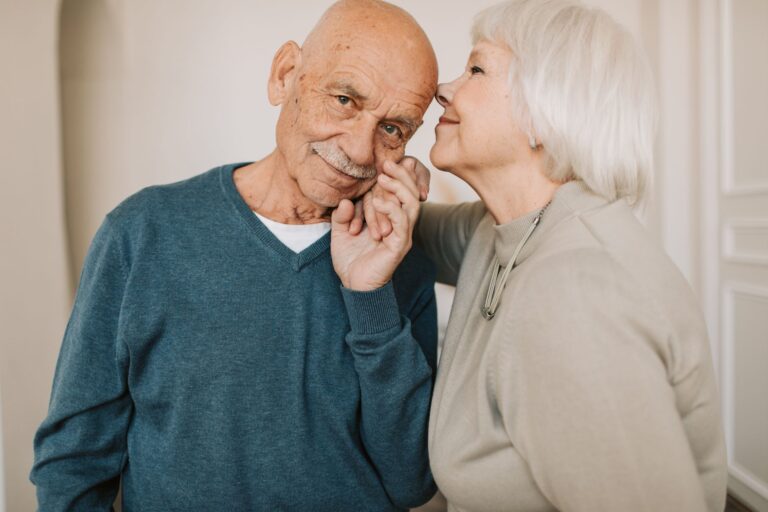
A reminiscence conversation for middle-stage dementia is a short, one-to-one chat built around one familiar photo, object, song, or scent. You sit together in a quiet room, ask one simple question at a time, and follow the person's response without correcting. Reminiscence therapy is a structured approach that uses guided talk about past experiences to support comfort, pleasure, mental stimulation, identity, and dignity. The Alzheimer's Association describes this guided use of past experiences in Alzheimer's Association guidance on reminiscence.
Medical information disclaimer: This article is for general educational purposes only and does not provide medical advice, diagnosis, or treatment. Always consult a physician or other qualified health professional about symptoms, medications, tests, or treatment decisions.
Table of Contents
- Set up a calm one-to-one moment
- Start with one concrete prompt
- Keep talk on old memories, not tests
- Expect small benefits and watch for distress
Set up a calm one-to-one moment
Choose a quiet space with little noise, movement, or clutter. Sit face to face, at eye level, where the person feels safe. Midday or another alert time often works better than late evening.
For middle-stage Alzheimer's, caregivers are advised to engage one-on-one in a quiet space, ask one question at a time, and allow ample response time. The Alzheimer's Association gives this middle-stage communication advice in its communication topic sheet. Stay patient during pauses. Silence gives the person room to find words.
Start with one concrete prompt
Pick one prompt tied to long-known life, not recent events. Good choices include an old photo, a keepsake, a work tool, a favorite song, or a familiar scent such as lavender.
Hold the item where both of you can see, touch, or hear it. Examine the item together and keep the mood easy. If the person becomes restless, pause, offer comfort, and put the item aside.
- Show one item, not a pile.
- Name what it is in plain words.
- Ask one yes-or-no or either-or question.
- Wait, then respond warmly to whatever comes back.
Keep talk on old memories, not tests
Focus on long-term autobiographical memories, which often last longer. Ask about childhood food, school songs, jobs, holidays, pets, or neighborhood life. Let the person describe, hum, laugh, or simply hold the object.
Do not quiz about recent meals, dates, or names. Avoid correcting, criticizing, or arguing about facts. Reassure, nod, repeat key words, and validate feelings with short replies such as "That sounds joyful" or "That mattered to you." Use yes-or-no questions when open questions stall. Try "Did you enjoy baking bread?" rather than "What did you bake in 2019?" One question at a time keeps the exchange kind and clear.
Expect small benefits and watch for distress
Research shows modest, uneven gains rather than strong change. The 2018 Cochrane review pooled 22 randomized trials with 1,972 people with dementia and found inconsistent, often small positive effects on quality of life, cognition, communication, and possibly mood. Cochrane reports these mixed findings in its Cochrane review summary. The UK NICE dementia guideline NG97 says health services should consider group reminiscence therapy for people with mild-to-moderate dementia.
NICE states this weaker "consider" advice in its NICE dementia recommendations. It is weaker than the "offer" advice used for group cognitive stimulation therapy. Reminiscence does not treat, slow, or reverse dementia. Old memories can bring grief or trauma to the surface. Stop or shift to safer topics such as food, music, or pets if distress appears.