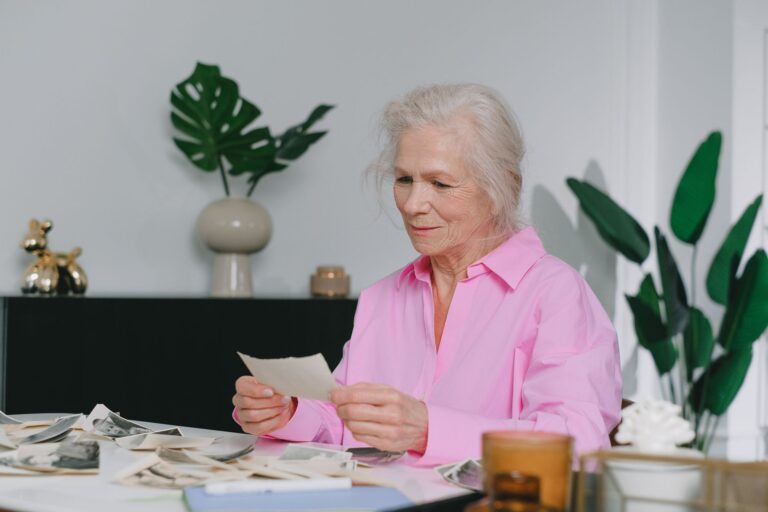
When interest in reminiscence conversations fades, shift to present-moment activities such as art, music, walking, gardening, baking, exercise, and animal-assisted therapy. Reminiscence conversations are guided talks about past life events, and in early-stage dementia they often lose appeal as recall takes more effort than enjoyment. The goal is engagement and wellbeing now, not correct remembering. The UK's NICE dementia quality standard recommends offering people with dementia exercise, art, gardening, baking, music therapy, mindfulness, aromatherapy, and animal-assisted therapy to promote wellbeing, according to the official NICE press release.
Medical information disclaimer: This article is for general educational purposes only and does not provide medical advice, diagnosis, or treatment. Always consult a physician or other qualified health professional about symptoms, medications, tests, or treatment decisions.
Table of Contents
- Match the activity to current interests
- When should you try music and movement?
- How does art work without memories?
- What uses body memory when words falter?
- How to adapt on low-energy days
- Frequently Asked Questions
Match the activity to current interests
Ask about life experiences, preferences, interests, and strengths, then choose activities that fit those answers. Personally suited and adapted activities increase engagement and benefit, NICE says in the official NICE press release. This matching matters most when tastes change. A person who once loved family stories may now prefer soil, song, movement, or texture.
Follow the present preference, not the old hobby. Revisit the choice often. Short trials reveal more than discussion. Keep what sparks attention and drop what brings flatness or restlessness.
When should you try music and movement?
Try music when mood dips or agitation rises. The Alzheimer's Association advises caregivers to divert anxiety and agitation by involving the person in activities, such as trying art or music, going for a walk, gardening together, or putting on music and dancing. Music-based therapy with at least five sessions probably reduces depressive symptoms and may improve overall behavioral problems compared with usual care, based on a Cochrane synthesis of 30 studies with 1,720 people with dementia, summarized by the Cochrane Taiwan summary.
Play favorite songs, talk about them, dance, or join a music group. Keep expectations clear. The same Cochrane evidence found no demonstrated benefit for cognition, agitation, or emotional wellbeing, with fading benefit after sessions stop. Use music for mood and connection, not as a lasting cognitive fix.
How does art work without memories?
Creative art expression suits mild cognitive impairment and early-to-middle-stage dementia because it needs no right answer. The Alzheimer's Association's Memories in the Making program offers this kind of art, where sharing stories behind the art fosters communication with family and friends. Offer simple materials and one clear starting point. Watercolors, collage, clay, or flower arranging all work.
Sit nearby, comment on color and shape, and let talk grow from the piece itself. Save or display finished work. A fridge gallery or photo album gives pride without testing recall. The value is making and sharing now.
What uses body memory when words falter?
Use movement cued by music, routine, and touch. Observed dementia patients who could not recall prior exercise sessions still anticipated movements linked to specific music and some recalled movement sequences. That pattern points to procedural and music-cued memory staying usable when conversation falters.
Keep the same songs, same order, and same gentle prompts each time. The U.S. National Institute on Aging tells caregivers to adapt activities to ability, including walking, stationary biking, balloon toss, stretching bands, playing and discussing favorite music, dancing, and tending indoor or outdoor plants, described in the NIA caregiving guide. Short walks, seated stretches, balloon toss, and watering plants fit early-stage abilities well.
How to adapt on low-energy days
.
- Offer one activity at a time in short blocks.
- Reduce noise, clutter, and competing choices.
- Demonstrate each step, then do it together.
- Switch to watching, listening, or holding materials when tiredness hits.
- End with a calm anchor such as tea, music, or fresh air.
Frequently Asked Questions
What if they refuse every activity?
Pause, change the time of day, simplify the task, or offer a sensory option like music, scent, or a short walk with you.
Should family keep asking about the past?
Keep invitations light and optional. If stories bring pleasure, enjoy them. If they bring strain, return to something hands-on in the present.