Step-by-step no-cook food preparation means laying out ready-to-eat ingredients in order so a person can assemble a meal without stove or oven. It suits early-stage dementia, the early phase when someone still manages many daily tasks but forgets sequences and safety steps.
The goal is independence with backup. A caregiver sets up safe foods, clear order, and a calm setting. The person assembles and eats at their own pace.
Medical information disclaimer: This article is for general educational purposes only and does not provide medical advice, diagnosis, or treatment. Always consult a physician or other qualified health professional about symptoms, medications, tests, or treatment decisions.
Table of Contents
- What foods work best without cooking?
- How do you set up each step?
- How do you serve for calmer eating?
- How do you keep cold foods safe?
- When is no-cook not enough?
What foods work best without cooking?
Choose bite-sized finger foods that need no utensils. The Alzheimer's Association advises options such as chicken nuggets, fish sticks, tuna sandwiches, orange segments, and steamed broccoli or cauliflower pieces in its food and eating guidance. Serve familiar favorites in small pieces that are soft enough to chew and swallow.
For older adults, skip unheated deli-sliced meats unless reheated until steaming. Safer no-cook choices include sealed peanut butter, canned tuna, cheese, washed fruit, and yogurt. Cut items small and serve small amounts at a time.
How do you set up each step?
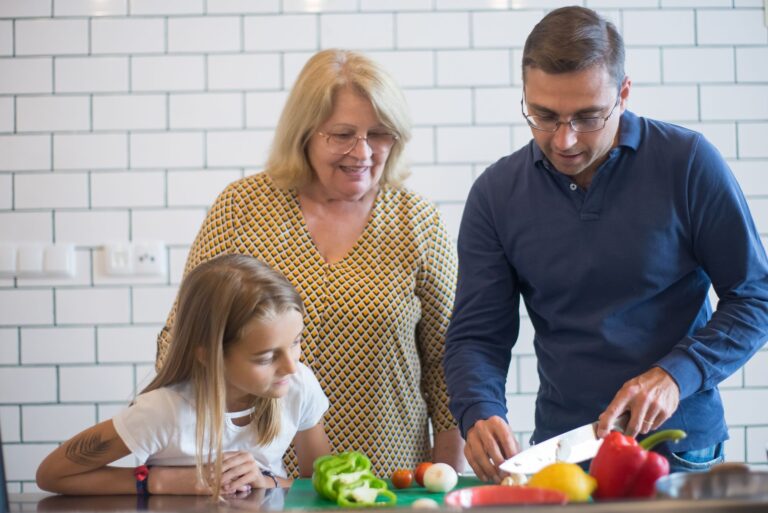
People with early-stage dementia can often assemble simple foods but may forget stove steps. The Alzheimer's Association recommends no-cook assembly, supervision, simple checklists, and appliances with automatic shut-off in its home safety guidance.
For someone living alone, the National Institute on Aging also recommends microwave-ready foods, grocery delivery, and Meals on Wheels for delivered meals. Make the order visible and physical. A caregiver can place ingredients left to right in serving order and stay nearby.
- Set out one meal only, with each item opened and within reach
- Post a three to five line checklist, such as wash hands, assemble sandwich, eat, return leftovers to fridge
- Use a microwave with automatic shut-off for any heating step
How do you serve for calmer eating?
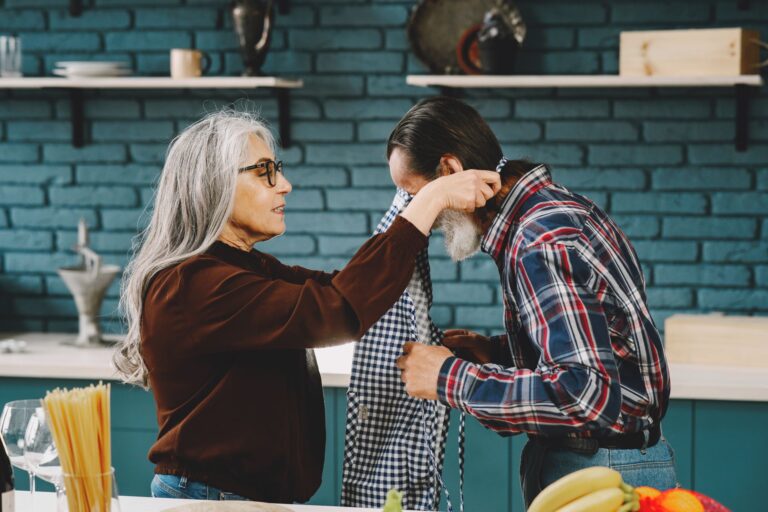
Serve meals in the same familiar place and keep the area quiet. The National Institute on Aging recommends turning off TV and radio and using simple table settings. Clear extra plates, cups, and clutter before the person sits down.
Allow plenty of time and model eating one bite at a time. Offer one course or plate section at a time so choices stay simple. Stay seated nearby and eat together when possible.
How do you keep cold foods safe?
Return cut produce, dairy, opened deli packs, and leftovers to the refrigerator promptly. The Food and Drug Administration advises refrigeration within two hours, or within one hour above 90 degrees, with the fridge at 40 degrees or below in its holiday food safety guidance. Label leftovers with the day they were opened or served.
Adults age 65 and older face higher risk from listeria, which can grow at refrigerator temperatures. The Centers for Disease Control and Prevention advises avoiding unheated deli-sliced meats or reheating them to 165 degrees until steaming hot in its listeria outbreak guidance. When in doubt, throw the food out and assemble a fresh plate.
When is no-cook not enough?
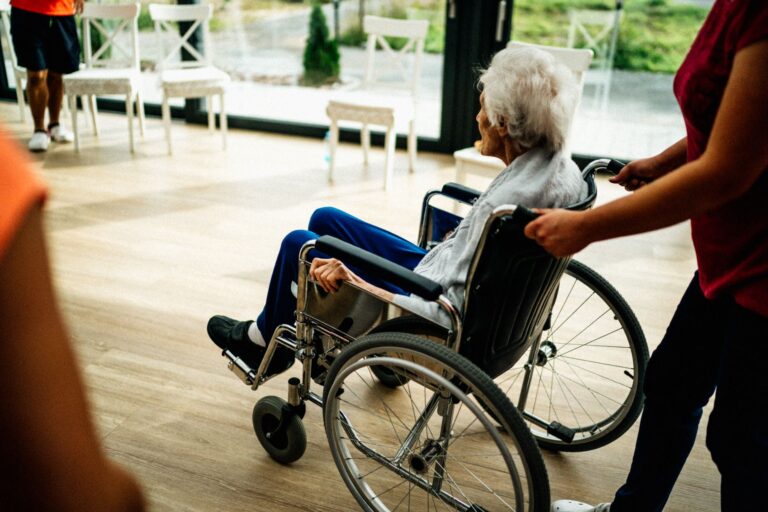
There is no special dementia diet, so focus on varied healthy foods and familiar favorites. The Alzheimer Society of Canada stresses clinician review for weight loss, choking, pocketed food, or swallowing difficulty.
No-cook menus alone cannot fix those problems. Watch for meals left uneaten, coughing during meals, food held in the cheek, or new fear of eating. Report those signs promptly and ask the clinician whether texture changes, swallowing review, or added meal support is needed.