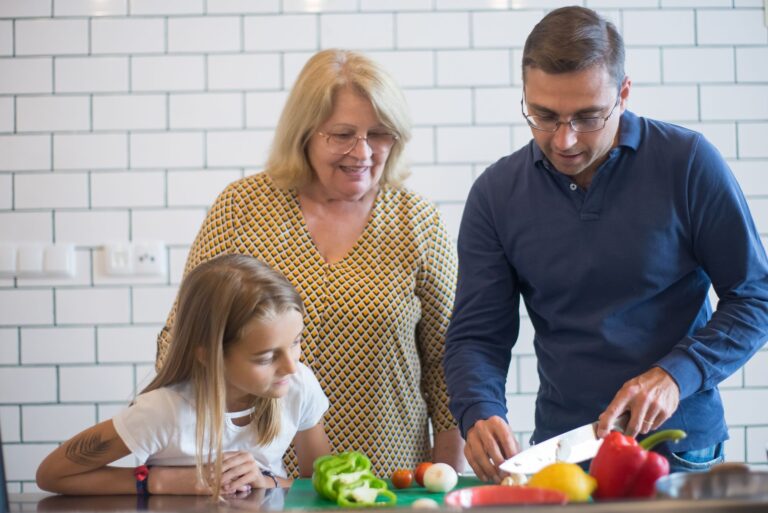
Simplify no-cook food preparation for early-stage dementia by serving only one or two familiar finger foods at a time in quiet surroundings without TV. The Alzheimer's Association advises this calm, limited-choice approach because multiple options can overwhelm a person with dementia simple mealtime guidance. Early-stage dementia means mild memory and planning changes while many daily skills remain.
Keep assembly simple and repeatable. Cut foods into bite-size pieces that need no utensils or heat. Offer small amounts on a plain plate and follow the same familiar routine.
Medical information disclaimer: This article is for general educational purposes only and does not provide medical advice, diagnosis, or treatment. Always consult a physician or other qualified health professional about symptoms, medications, tests, or treatment decisions.
Table of Contents
- Keep portions small and routines familiar
- Choose finger foods that need no cooking
- Make the table easy to see and use
- When is extra caution needed?
Keep portions small and routines familiar
Serve small amounts at a time and stick with known foods and mealtimes. Familiar dishes reduce decisions and make eating feel safe. The National Institute on Aging advises this steady routine and confirming swallowing before offering more caregiver tips for eating well. Offer five to six small meals or regular snacks through the day.
Short, frequent eating chances prevent long gaps and low energy. Invite the person to help with easy tasks like buttering bread or tearing lettuce. Give time between bites. Food pocketing, holding food in the cheek, is common. Wait, look, and offer the next bite only after swallowing.
Choose finger foods that need no cooking
Pick foods that can be picked up without utensils or stove time. Good options include tuna sandwiches, cheese cubes, orange segments, cut soft fruit, cut cooked vegetables, and steamed broccoli pieces. Keep pieces small, soft, and easy to grip. Rotate only one or two items per plate.
Too many piles create confusion and dropped food. Save new flavors for another snack rather than adding them now. Prep once for several snacks. Wash and cut fruit, portion cheese, and make small sandwiches ahead. Store each in clear single-serving boxes for quick serving.
Make the table easy to see and use
Use plain plates that contrast with the food and table. White fish on a white plate disappears. A dark blue plate makes light foods visible. Keep the setting simple. Remove extra cups, packets, and decorations.
Leave only plate, napkin, and one drink. Quiet surroundings help attention stay on eating. Offer finger foods when forks and spoons cause trouble. Sandwich triangles, vegetable sticks in dip, and small nugget shapes are easier to manage. Let the person eat at their own pace.
When is extra caution needed?
Chewing and swallowing changes call for fast adjustments. Offer softer bite-size pieces for mild chewing trouble. Move to ground or pureed textures when chewing or swallowing worsens.
Some convenient finger foods do not suit swallowing problems. Cherry tomatoes and raw carrot sticks can pose choking risks. Oxford Health NHS warns caregivers to watch for choking, pocketing, or weight loss and seek clinical swallowing evaluation finger foods advice sheet. Stop and get clinical advice if any sign appears.
- coughing, throat clearing, or wet voice during meals
- food held in cheeks or refused after one bite
- unexplained weight loss or repeated chest infections