Step-by-step no-cook food preparation for a low-energy dementia day means assembling soft, bite-size foods with no stove and little cleanup. Dementia here means ongoing decline in memory and thinking that can make cooking and self-feeding hard. You work from the refrigerator and fruit bowl, not the oven. Each plate uses one or two ready foods, water nearby, and safe handling before serving.
Medical information disclaimer: This article is for general educational purposes only and does not provide medical advice, diagnosis, or treatment. Always consult a physician or other qualified health professional about symptoms, medications, tests, or treatment decisions.
Table of Contents
- How do you start safely with tired hands?
- What should you put on the plate?
- How do you cut food for safer bites?
- How do you handle drinks and leftovers?
How do you start safely with tired hands?
Wash your hands for 20 seconds with soap before you touch food. Rinse fruits and vegetables under plain running water before cutting or peeling, with no soap or produce washes, according to the U.S. Food and Drug Administration in its cleaning tips for produce.
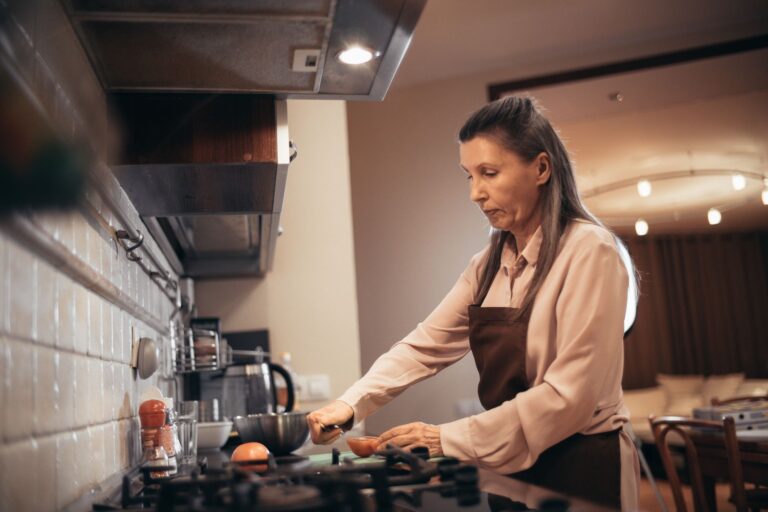
Clear a small space at the table away from television and noise. Set out a clean cutting board, a blunt table knife, paper towels, and a plate. Keep prep short by washing only what you will serve now. Put everything else back in the refrigerator right away.
What should you put on the plate?
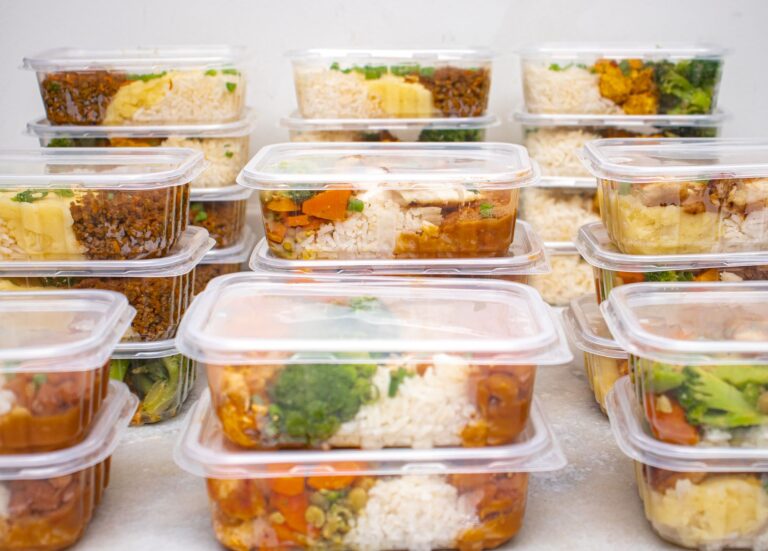
Build the plate from finger foods that need no utensils. Good choices are cheese cubes, orange segments, banana slices, half sandwiches, and steamed broccoli pieces left over from another meal, which the Alzheimer's Association recommends for self-feeding in its guidance on food and eating. Favor naturally soft and moist foods that are easier to chew.
Yogurt, applesauce, cottage cheese, canned tuna, ripe avocado, and canned fruit in juice work well for low effort and low chewing. Serve only one or two foods at a time. Too many choices can overwhelm a person with middle- or late-stage dementia.
How do you cut food for safer bites?
Cut everything bite-size before you carry the plate to the table. Halve grapes and cherry tomatoes lengthwise, slice banana into thick coins, and cut sandwiches into small squares. Avoid hard, sticky, or stringy items such as whole nuts, hard candy, toffee, and celery strings.
Remove peels, seeds, and tough skins that can catch in the mouth. Watch during eating for coughing, throat clearing, pocketing food in the cheek, or taking long to swallow. Ask a doctor or speech therapist for a swallowing check if those signs appear, since dementia can raise choking risk, as the Ireland Health Service Executive explains in its adult choking-risk guide.
How do you handle drinks and leftovers?
Offer fluids through the day rather than waiting for thirst. Older adults with dementia may forget to drink, so the National Institute on Aging advises water plus milk, juice, broth, or decaffeinated tea if plain water is refused in its guide to common medical problems in Alzheimer's.
Use this low-energy rhythm: Refrigerate cut fruit and vegetables, dairy, eggs, and opened tuna or deli items within 2 hours. Keep the refrigerator at or below 40 degrees Fahrenheit.
- Set a full cup beside each plate and refill at snack times.
- Offer small sips between bites, not large gulps.
- Keep a covered water bottle within reach between meals.