Adapt no-cook preparation for one-on-one dementia care by serving small finger foods one or two at a time in a quiet spot. Offer food and fluids often through the day, and make each item easy to see, pick up, and chew. One-on-one care means one caregiver supports one person during meals and snacks. No-cook preparation means foods served without heating or cooking, such as sandwiches, cheese, cut fruit, yogurt, and shakes.
Medical information disclaimer: This article is for general educational purposes only and does not provide medical advice, diagnosis, or treatment. Always consult a physician or other qualified health professional about symptoms, medications, tests, or treatment decisions.
Table of Contents
- Which no-cook foods support independence?
- How should you set up the eating space?
- How often should you offer food and fluids?
- How can you make each bite count?
- What safety limits apply to no-cook care?
Which no-cook foods support independence?
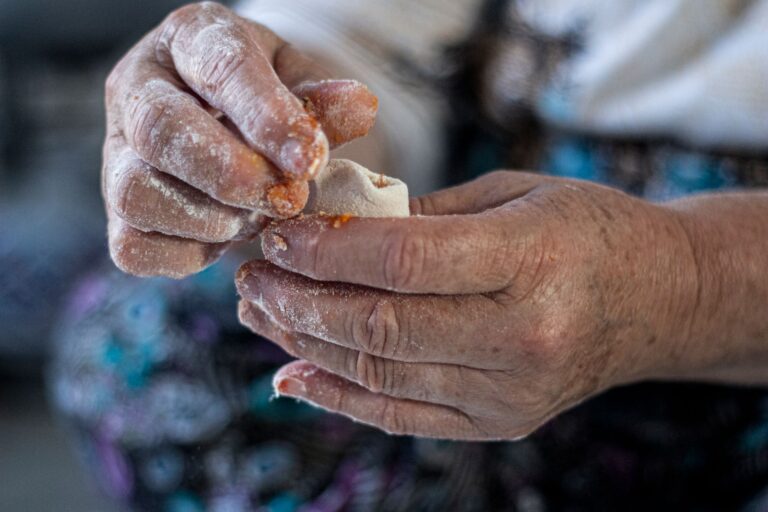
Choose foods that can be picked up without utensils and eaten in a few bites. According to the Alzheimer's Association, useful options include tuna sandwiches, cheese cubes, orange segments, cut fruit, and small sandwiches, as described in the Alzheimer's Association guide on food and eating. Keep textures soft, moist, and familiar.
Offer items at room temperature or chilled, in pieces that do not require cutting at the table. Watch what gets picked up easily and repeat those items. Replace foods that crumble, slip, need two hands, or cause coughing.
- Small sandwich quarters or halves
- Cheese cubes with soft fruit pieces
- Orange segments or melon cubes
- Yogurt cup with spoon alongside finger foods
How should you set up the eating space?
Serve meals away from television in quiet surroundings. Keep the table setting simple, with only the current food and drink in view.
Offer only one or two foods at a time. The Alzheimer's Research Association caregiver tips note that multiple choices can overwhelm decision-making for a person with dementia.
How often should you offer food and fluids?
Offer smaller but more frequent meals with calorie-rich snacks between them. The National Institute on Aging advises this pattern, including sweetening food with honey or syrup when intake is too low, as explained in the National Institute on Aging tips for helping people with Alzheimer's eat well. Do not wait for requests for drinks.
People with dementia may forget thirst, so UC San Diego Health Library advises small cups of water through the day plus high-water no-cook options such as milkshakes, smoothies, yogurt, and fruits, noted in the UC San Diego Health Library tips on dementia and healthy diet. Keep water, diluted juice, milk, or a smoothie within reach during care tasks. Refill small cups rather than using large glasses that look heavy or spill easily.
How can you make each bite count?
Use smaller plates and serve little-and-often portions. Royal Free London advises fortifying foods with added cream, cheese, oil, butter, or sauces, plus high-calorie drinks like milkshakes or hot chocolate.
Make food stand out from the dish. A Boston University study in advanced Alzheimer's found red tableware increased food intake by about 25% and liquid intake by about 84% versus white tableware, so a contrasting plate can help.
What safety limits apply to no-cook care?
Refrigerate perishable no-cook items promptly, including meat, dairy, cut fruit, and leftovers. FoodSafety.gov guidance states the limit is within 2 hours, or within 1 hour above 90°F, because bacteria multiply rapidly between 40°F and 140°F, as detailed in the FoodSafety.gov guidance on leftovers.
Discard items left out too long rather than saving them for later. In late-stage dementia, swallowing difficulty and choking risk may require texture changes and clinician guidance before continuing finger foods.