Sports events sits at the center of this dementia and brain health question.
Sports events have become one of the most effective vehicles for raising Alzheimer’s awareness and funding critical research and support programs. The Alzheimer’s Association’s Walk to End Alzheimer’s alone takes place in more than 600 communities nationwide, making it the world’s largest event dedicated to the disease. Beyond the flagship walks, dozens of cycling events, running competitions, flag football games, golf tournaments, and ultra-marathons now mobilize thousands of participants each year, collectively generating millions in donations while dramatically expanding the conversation around cognitive decline, caregiver support, and early detection. This article explores how the sports community is stepping up to fight Alzheimer’s, examines the major programs shaping the movement, and shows how individuals can join these efforts regardless of their athletic ability.
Table of Contents
- What Are the Major Sports Events Driving Alzheimer’s Fundraising?
- How Do These Events Build Awareness Beyond Fundraising?
- What’s on the 2026 Calendar for Alzheimer’s Sports Events?
- How Can Individuals Participate Without Being Competitive Athletes?
- What Should Participants Know About Maximizing Their Fundraising Impact?
- How Are Younger Generations Getting Involved?
- The Future of Sports-Based Alzheimer’s Advocacy
- Conclusion
What Are the Major Sports Events Driving Alzheimer’s Fundraising?
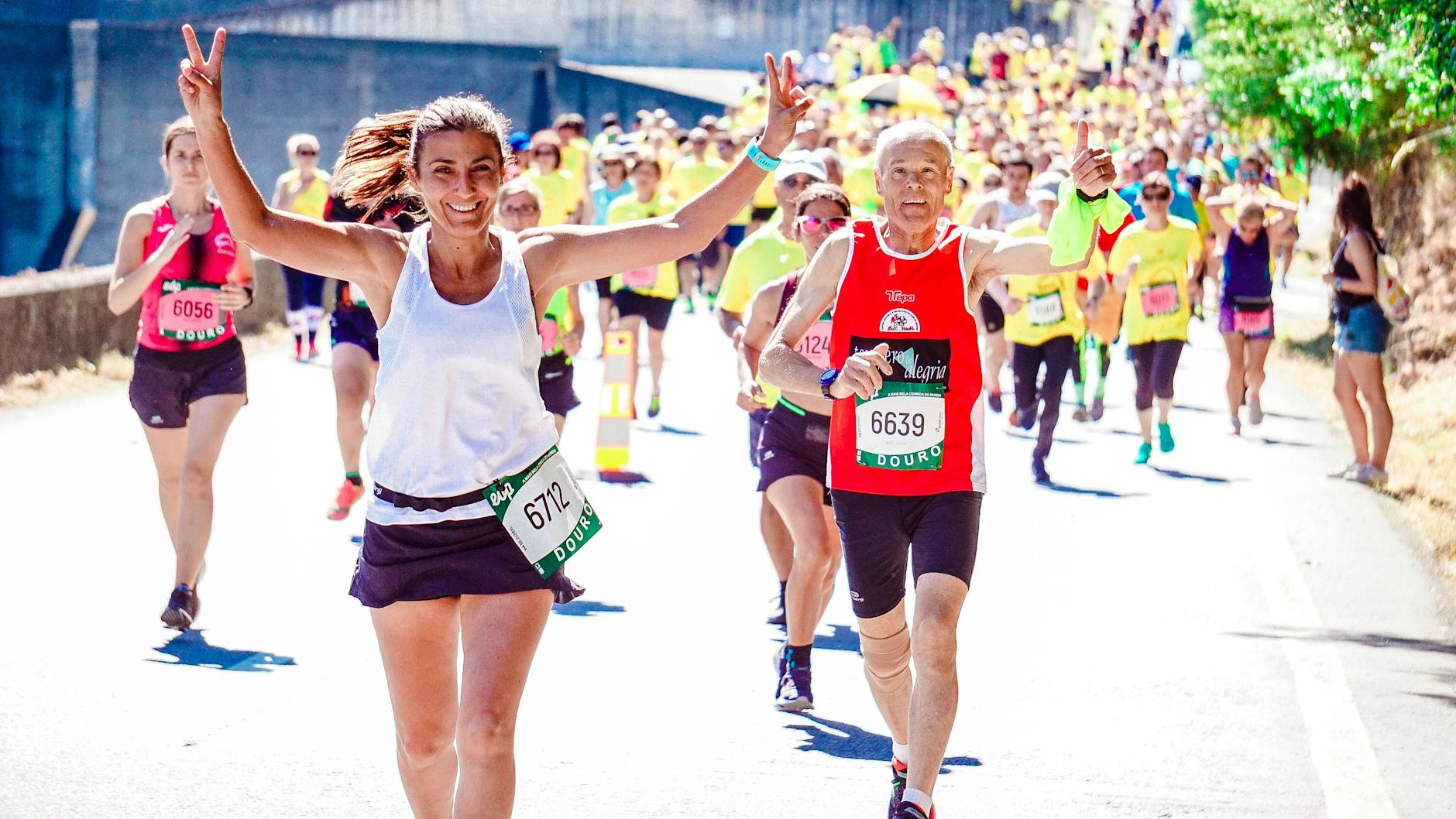
The landscape of Alzheimer’s-focused sports events has grown substantially, offering participants multiple ways to contribute through activities they already enjoy or want to try. The Walk to End Alzheimer’s remains the flagship program, with its 600+ community events scheduled throughout the year and participation growing steadily. But the movement extends well beyond walking. RivALZ to End ALZ brings flag football games to young professional women across the country, creating a high-energy, volunteer-driven format that appeals to a demographic that might not otherwise participate in traditional fundraising.
Ride to End ALZ offers cycling events for all skill levels, from casual riders to serious cyclists, while Athletes to End Alzheimer’s provides a framework for individuals to fundraise through marathons, half-marathons, cycling, and other sports. What distinguishes these programs is their accessibility. Unlike specialty athletic events that demand elite-level fitness, most of these fundraisers welcome participants of varying abilities. The Brooklyn Memorial Cup, now in its eighth consecutive summer, draws teams to Kingsborough Community College in Brooklyn for a softball game that blends recreation with purpose. Similarly, the David Hearn Charity Golf Classic and various regional galas combine social engagement with fundraising, recognizing that not everyone will run a marathon but many will happily participate in activities they enjoy while supporting a cause.

How Do These Events Build Awareness Beyond Fundraising?
While dollars raised matter enormously for research and support services, the real power of sports-based Alzheimer’s events lies in their ability to reach people who might never attend a medical conference or read a research article. When someone trains for a Walk to End Alzheimer’s or joins a Ride to End ALZ cycling event, they’re not just moving their body—they’re engaging with the disease, learning about its impact, and often sharing that knowledge with friends and family. These events create visible, community-level conversations about cognitive health and caregiver burnout that might otherwise remain invisible.
However, awareness without sustained action has limits. A one-time event participant might feel good about their contribution but may not translate that awareness into ongoing lifestyle changes, caregiver support awareness, or advocacy. The most successful sports-based programs recognize this by coupling event participation with educational resources, connecting participants to support groups, and providing information about risk reduction, early diagnosis, and available treatments. Events also tend to mobilize younger generations—participants in their 20s, 30s, and 40s—who may not yet understand their own family risk but are learning early about cognitive health and prevention strategies.
What’s on the 2026 Calendar for Alzheimer’s Sports Events?
The 2026 calendar shows the breadth of sports-based fundraising happening year-round. The Bath 50 Ultra Challenge on March 28, 2026, pushes endurance athletes to their limits while supporting the Alzheimer’s Society. For those in New Jersey, the Alzheimer’s New Jersey Spring Gala on April 16, 2026, at The Grove in Cedar Grove combines dinner, networking, and fundraising in a more formal setting.
Golf enthusiasts can look toward the David Hearn Charity Golf Classic on September 14, 2026, at Brantford Golf & Country Club—a professional-level tournament that brings athletes and donors together on the course. The Alzheimer’s Association also continues rolling out new community events regularly, with the Walk to End Alzheimer’s scheduling multiple events in major cities like Manhattan, New York, throughout the year. The AD/PD 2026 conference in Copenhagen from March 17-21, 2026, while primarily for professionals, represents the research infrastructure that events like these ultimately support, making the connection between grassroots fundraising and cutting-edge science tangible for participants who understand the full pipeline from donation to discovery.
How Can Individuals Participate Without Being Competitive Athletes?
One of the most important innovations in Alzheimer’s fundraising is the recognition that not everyone wants to—or can—train for a marathon or ultra-marathon. The Alzheimer’s Association’s “Do What You Love to End ALZ” program directly addresses this by allowing individuals to organize fundraisers around activities they already do: hiking, golfing, gaming, crafting, pickleball, bridge, or even cookouts. This democratization of participation means that a grandmother who loves gardening can raise funds through a garden tour, a group of friends can host a game night, or someone recovering from injury can participate meaningfully without physical stress. The flexibility of this approach significantly expands the potential donor and fundraiser base compared to traditional athletic events alone.
Someone who dislikes competitive sports but loves cooking can organize a fundraising dinner. A gaming group can pledge points or compete for a cause. While these activities may generate smaller individual donations than a well-organized marathon team, their aggregate impact is substantial, and they keep the movement alive year-round rather than concentrating efforts on a few seasonal events. The tradeoff is that self-organized events require more individual initiative and marketing—they won’t have the built-in visibility and momentum of a Walk to End Alzheimer’s or official Ride to End ALZ event.
What Should Participants Know About Maximizing Their Fundraising Impact?
Training for a sports-based fundraiser is an opportunity to learn about Alzheimer’s in depth, and the most effective participants use that knowledge in their fundraising pitches. Rather than simply asking friends and family to sponsor your marathon, explain why Alzheimer’s matters to you—whether it’s a family history, a friend’s diagnosis, or a commitment to preventing cognitive decline. Share specific facts: that walk participants support care, research, and support services; that funds go toward early detection initiatives; that every dollar contributed helps reduce the burden on families. This transforms the ask from a generic “support my race” to a genuine appeal connected to a larger mission.
However, a real limitation exists: most participants don’t have a personal connection to Alzheimer’s when they start fundraising. Organizers recognize this and provide storytelling resources, testimonials, and educational materials that help participants understand the disease and its impact. Some events encourage participants to honor or remember someone affected by Alzheimer’s, which provides natural emotional anchoring. The danger is that without this context, fundraising can feel transactional, potentially leading to lower donation rates and less sustained engagement. Connecting participants to real stories—either from the Alzheimer’s Association, local chapters, or event organizers—dramatically improves both funding and awareness outcomes.
How Are Younger Generations Getting Involved?
Programs like RivALZ to End ALZ specifically target younger professional women, recognizing that Gen X, millennial, and Gen Z participants are increasingly becoming caretakers of aging parents while also taking cognitive health seriously as a personal concern. By offering flag football, fun, and community rather than stereotypical “charity galas,” these events attract a demographic that might otherwise skip Alzheimer’s fundraising entirely.
Young professionals are also more likely to leverage social media, fundraising platforms, and peer networks to amplify their impact, turning a single participant into a fundraising hub. The secondary effect is that younger participants often introduce innovation and energy into the movement—new event formats, creative fundraising approaches, and integration with digital tools that expand reach beyond traditional geographic limitations. As these cohorts age, they’re also developing lifelong relationships with Alzheimer’s organizations and personal commitments to cognitive health that will pay dividends for decades.
The Future of Sports-Based Alzheimer’s Advocacy
As awareness of Alzheimer’s risk factors and prevention strategies grows, sports-based fundraising is likely to evolve to include more focus on cognitive health training—events that pair physical activity with education about sleep, diet, social engagement, and stress reduction as protective factors against decline. The integration of technology, from virtual participation options to app-based fundraising tracking, is making these events more inclusive for people with mobility limitations or scheduling constraints. This expansion means the movement will continue growing while maintaining its core appeal: tangible, active participation in something bigger than yourself.
Conclusion
Sports events have fundamentally transformed how communities engage with Alzheimer’s, moving the disease from a private tragedy to a public health priority that touches fitness centers, golf courses, running clubs, and neighborhood cookouts. Whether through the massive infrastructure of the Walk to End Alzheimer’s in 600 communities, the innovative energy of RivALZ and cycling programs, or grassroots activities organized through “Do What You Love to End ALZ,” millions of people are combining physical activity with fundraising and awareness-building.
The result is a well-funded, emotionally connected movement that supports research, care, and caregiver services while normalizing conversations about cognitive health. If you’re interested in participating, start by identifying an activity you enjoy or want to try, then connect with the Alzheimer’s Association or a local chapter to learn about upcoming events or fundraising frameworks in your area. Whether you walk, ride, run, golf, play flag football, or host a game night, your participation matters—both for the funds you raise and for the awareness and community you help build around this critical health issue.
You Might Also Like
- Fundraising Walks Unite Families Affected by Alzheimer’s Disease
- Educational Events Bring Alzheimer’s Awareness to Communities Nationwide
- Reversing Cellular Age Could Be Key to Alzheimer’s Prevention
For more, see NIH MedlinePlus — cognitive testing.