Educational events sits at the center of this dementia and brain health question.
Educational events across the United States are transforming how communities understand Alzheimer’s disease and dementia. Through programs like the Walk to End Alzheimer’s—held annually in more than 600 communities nationwide—along with June’s Alzheimer’s and Brain Awareness Month and September’s World Alzheimer’s Month, millions of Americans are gaining knowledge about this disease, its impact, and ways to support those affected. These coordinated awareness campaigns serve a critical function: they reach people before they face a diagnosis, helping families recognize early signs, reduce stigma, and understand care options.
Why does this matter now? With an estimated 7.2 million Americans currently living with Alzheimer’s disease—a number projected to nearly double to 13 million by 2050—community-level education has become essential. These events aren’t just fundraisers; they’re public health interventions designed to shift how Americans think about brain health, prevention, and research. This article explores how educational events bring Alzheimer’s awareness to communities nationwide, what people learn at these programs, and how participation can make a difference for individuals, families, and society.
Table of Contents
- What Makes Community Awareness Events Effective?
- The Growing Gap Between Awareness and Reality
- Educational Content That Drives Change
- How to Get Involved in Community Awareness Efforts
- Moving from Awareness to Action
- Reaching Underrepresented Populations
- The Future of Alzheimer’s Awareness and Community Engagement
- Conclusion
What Makes Community Awareness Events Effective?
The Walk to End Alzheimer’s stands as the world’s largest event dedicated to raising awareness and funds for Alzheimer’s care, support, and research. Held in over 600 communities, this annual event reaches hundreds of thousands of participants—from people recently diagnosed, to family caregivers, to healthcare professionals. The event combines physical activity with educational resources, allowing attendees to process their own experiences while learning from others. By bringing diverse groups together in a visible, public way, the Walk normalizes conversations about dementia that many families avoid until crisis strikes. Beyond the Walk, June’s Alzheimer’s and brain Awareness Month brings structured education programs directly into communities.
Organizations host lectures, screening events, workshops on brain-healthy nutrition, and support group meetings. Unlike one-off awareness campaigns, these month-long initiatives create multiple touchpoints—allowing someone to attend a seminar one week, attend a support group the next, and connect with resources afterward. This sustained approach helps information stick and gives people time to process what they’re learning. September’s World Alzheimer’s Month extends this awareness globally, part of an international effort to challenge stigma and ensure that Alzheimer’s receives the public health attention it deserves. The difference between a community with robust awareness programming and one without is measurable: research shows that communities with established awareness events see higher rates of early diagnosis and better-informed caregiving decisions.
The Growing Gap Between Awareness and Reality
Current statistics reveal both hope and challenge. About two-thirds (66%) of Americans believe new treatments to prevent Alzheimer’s will be developed in the next decade, and nearly 4 in 5 Americans (79%) say they would want to know if they had Alzheimer’s before symptoms develop. These numbers suggest that awareness events have successfully promoted hope and acceptance of early diagnosis. However, there’s a critical gap between believing treatments will exist and understanding what options are actually available today. This limitation has real consequences.
Someone attending an awareness event might leave thinking that breakthrough treatments are imminent, only to face clinical disappointment when they or a family member receives a diagnosis and learns about current limitations. Educational events need to balance hope with honesty—explaining what research is underway while being clear about what patients can do now. A well-designed awareness program teaches not just facts, but context: what researchers are working on, what trials are recruiting, and what care and support strategies demonstrably improve quality of life today. The gender disparity in Alzheimer’s cases adds another layer of complexity that community education must address. Nearly two-thirds (66%) of Americans living with Alzheimer’s are women, yet awareness events sometimes fail to acknowledge why—or to specifically reach women at risk. Effective community events dig deeper, explaining the biological and social factors driving this disparity and ensuring that women’s health risks receive adequate attention.
Educational Content That Drives Change
The 2026 Alzheimer’s Association International Conference (AAIC), taking place July 12-15 in London with both in-person and online attendance options, exemplifies how specialized educational events translate research into understanding. While AAIC targets researchers and clinicians, it demonstrates the depth of knowledge that community events can make accessible. Presentations cover biomarkers, treatment updates, and caregiver strategies—all areas where community members benefit from current information. Community events typically structure education around three core topics: the disease itself (what happens in the brain, how it progresses), prevention and early detection (lifestyle factors, risk assessments), and practical support (caregiver strategies, financial planning, legal tools).
A comprehensive awareness event combines all three, often through different formats—a keynote speech on disease progression, breakout sessions on nutrition and cognitive health, and panel discussions with caregivers and social workers. This variety accommodates different learning styles and ensures that someone attending can take home actionable information regardless of their background. A specific example: many awareness events now include “Know Your Brain Health” screening areas where attendees can assess memory concerns with a simple cognitive test. This direct engagement—moving beyond passive listening to active self-assessment—has proven effective at getting people into diagnostic pathways when they might otherwise dismiss early memory changes as normal aging.

How to Get Involved in Community Awareness Efforts
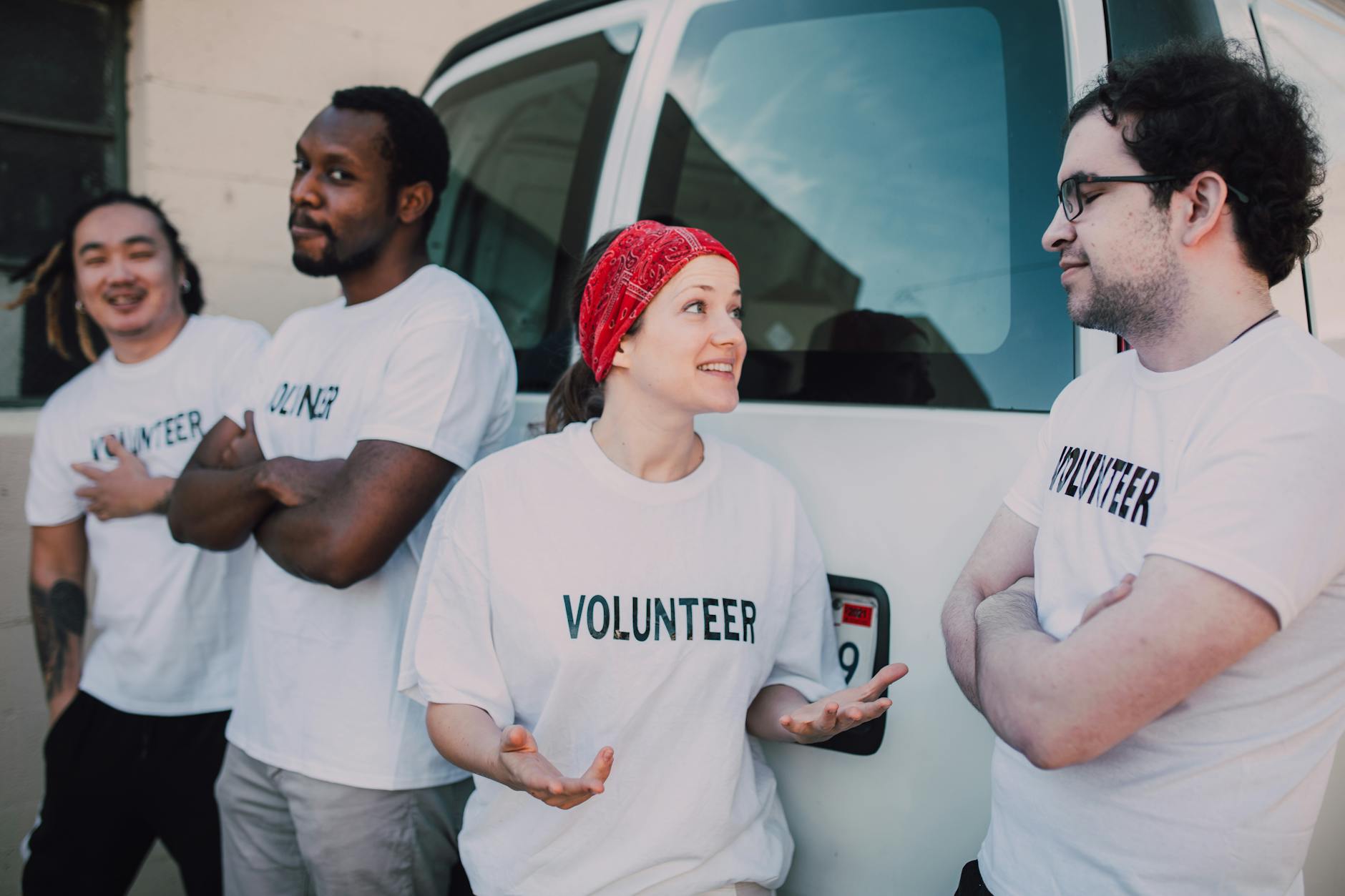
For someone looking to engage, three main pathways exist: attending an event as a participant, volunteering to help organize or staff an event, and advocating for awareness programming in communities where none exists. Attending a Walk to End Alzheimer’s requires minimal commitment—register online, gather pledges if desired, and show up on event day. Volunteering demands more time but provides deeper community connection and the satisfaction of directly supporting the awareness mission. Advocating for events in your area might mean contacting local Alzheimer’s Association chapters or health departments about bringing awareness programming to your region. The tradeoff between these approaches is worth considering. Attending an event gives you education and connection but limited direct impact.
Volunteering creates meaningful impact but requires regular time commitment. Advocacy shapes long-term community infrastructure but demands persistence and often involves navigating institutional processes. Most people find their strongest role by starting with attendance—learning what your community needs—then escalating involvement over time. One limitation worth acknowledging: awareness events are not evenly distributed across the country. Urban and suburban areas tend to have more programming than rural regions, meaning that people in less populated areas may face barriers to participation. For those in underserved areas, online options (including the AAIC’s virtual attendance) provide some access, though they lack the in-person connection and local networking that make events powerful.
Moving from Awareness to Action
An awareness event succeeds not when people leave inspired, but when they actually change behavior—whether that means scheduling a cognitive assessment, talking to family members about brain health, adjusting their diet, or exploring clinical trial participation. This is where many awareness campaigns fall short. A warning: attending an awareness event without clear next steps often leads to good intentions that fade within weeks. Effective educational events therefore conclude with specific action items: a list of local resources, information on how to schedule a memory screening, contacts for support groups, and materials to take home. The most successful events build in accountability—perhaps through a follow-up email, a challenge to try a brain-healthy recipe, or an invitation to join a support group.
Research shows that people who leave an awareness event with a concrete next step are far more likely to follow through than those who simply walk away inspired. The statistic that Alzheimer’s was the seventh-leading cause of death across all ages in the U.S. in 2022 underscores the urgency here. This high mortality ranking should motivate more aggressive education and prevention efforts—yet awareness alone doesn’t reduce deaths. Only when awareness converts to early detection, preventive action, and appropriate care does mortality impact improve.

Reaching Underrepresented Populations
Given that nearly two-thirds of Alzheimer’s patients are women, educational events must intentionally reach women and address their unique concerns. This includes discussing hormonal factors in disease risk, acknowledging that women often carry the caregiving burden for family members, and recognizing that women may face different barriers to diagnosis and care. Some awareness events now include specific tracks on women’s brain health, helping female attendees understand their personal risk factors and protective strategies.
Similarly, awareness events in communities with significant racial and ethnic diversity should acknowledge health disparities in Alzheimer’s diagnosis and care. Research shows that African Americans and Hispanics are disproportionately affected by dementia, yet awareness and diagnostic services are sometimes less available in these communities. Events that address language access, cultural factors in care decision-making, and systemic barriers help bridge these gaps. An example: multilingual education materials, speakers from diverse backgrounds, and discussion of cultural approaches to family caregiving make events more accessible and relevant.
The Future of Alzheimer’s Awareness and Community Engagement
As new treatments emerge—including recently approved therapies that slow cognitive decline—community awareness events face an evolving mission. Educational content must shift to explain not just the disease, but individual treatment options, their benefits and limitations, and how to access them. The organizations hosting these events will increasingly need expertise in explaining complex medical advances to lay audiences.
Looking ahead, the integration of awareness events with research recruitment could amplify their impact. Events that not only educate about Alzheimer’s but actively enroll participants into clinical trials or research studies could accelerate the pace of scientific progress while ensuring that community members benefit from cutting-edge approaches. As awareness grows and treatment options expand, community events will remain critical infrastructure for ensuring that knowledge reaches all Americans—not just those with access to specialized medical centers.
Conclusion
Educational events bring Alzheimer’s awareness to communities nationwide by combining fundraising, education, and community connection. Through programs like the Walk to End Alzheimer’s (held in over 600 communities), Alzheimer’s and Brain Awareness Month, and World Alzheimer’s Month, millions of Americans learn about the disease, its impact, and how they can support those affected. These events serve a public health function that extends far beyond traditional health campaigns—they normalize conversations about dementia, reduce stigma, and help people understand their own risk and options.
The immediate step for anyone reading this is straightforward: locate an awareness event in your community and attend. Whether you’re looking to learn more about your own brain health, support a family member, or simply understand this growing public health challenge, these events provide education, connection, and next steps. You can find upcoming events through the Alzheimer’s Association website, local community health organizations, or online calendars. Your participation joins millions of Americans working to transform how society approaches Alzheimer’s—through understanding, compassion, and action.
You Might Also Like
- Motorsports Events Partner With Alzheimer’s Charities for Awareness
- Community Events Raise Awareness and Funds for Alzheimer’s Research
- Annual Walk Events Raise Millions for Alzheimer’s Research
For more, see NIH MedlinePlus — dementia.