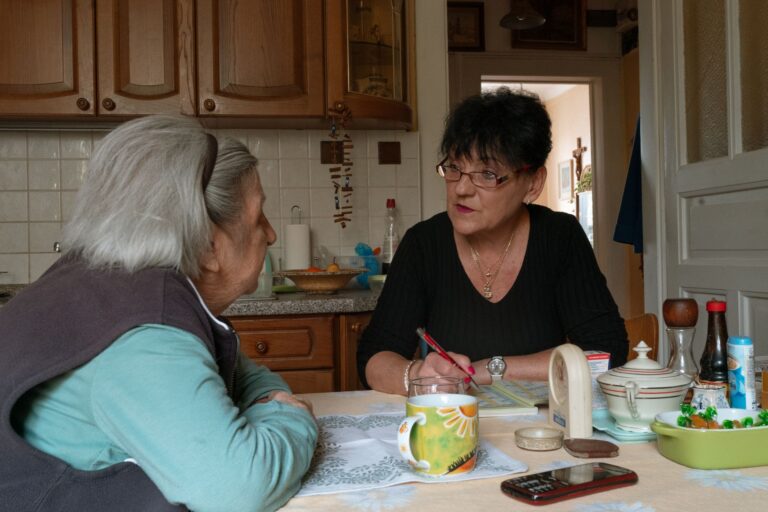
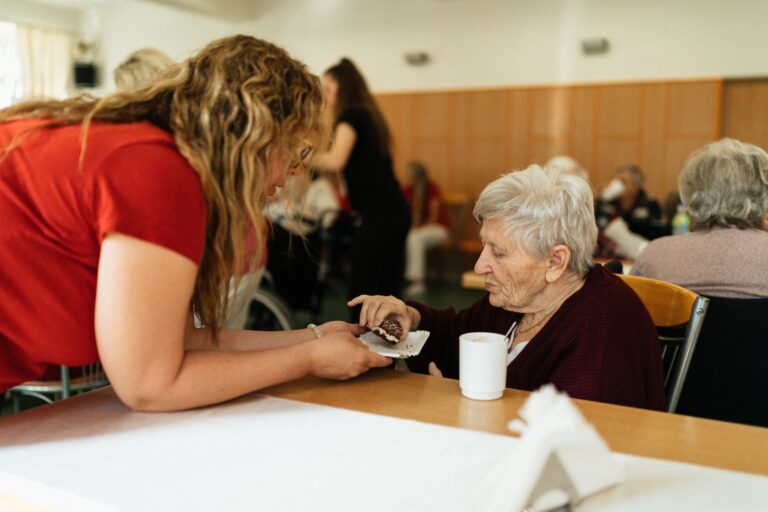
Caregivers find sits at the center of this dementia and brain health question.
Alzheimer’s conferences provide caregivers with three core benefits: practical education about disease progression and behavior management, peer support from others navigating identical challenges, and access to medical professionals who can answer condition-specific questions. A family caregiver attending the Alzheimer’s Association’s annual conference, for example, might learn evidence-based techniques for managing sundowning in the morning session, connect with another adult child caregiver managing a parent’s care that afternoon, and speak directly with a neurologist about medication side effects during a workshop break. This article covers the types of support conferences offer, what caregivers actually learn, how to choose between different events, and what to expect before and after attending.
Caregiving for someone with Alzheimer’s disease is isolating. Most family caregivers are managing care alone or with minimal help, juggling medical appointments, behavioral changes, and their own emotional toll while maintaining jobs and family responsibilities. Conferences address this isolation by concentrating expertise, resources, and community in one place—whether in-person or online. The investment of time and money typically pays dividends in concrete strategies caregivers can implement immediately, plus ongoing connections with support networks.
Table of Contents
- What Specific Support Do Caregivers Find at Alzheimer’s Conferences?
- Educational Content and Realistic Limitations
- Networking and Building Your Support System
- Developing Practical Skills and Hands-On Training
- Choosing the Right Conference and Common Pitfalls
- Virtual and Hybrid Conference Options
- Long-Term Impact and Applying What You Learn
- Conclusion
- Frequently Asked Questions
What Specific Support Do Caregivers Find at Alzheimer’s Conferences?
conferences structure support around several distinct needs. Educational workshops teach disease management—how to interpret cognitive test results, what to expect as the disease progresses from early to advanced stages, how to communicate with someone experiencing memory loss or confusion. Breakout sessions often segment by audience: sessions for adult children caring for parents differ from sessions for spouses, who face different role reversals and practical challenges. Many conferences also include caregiver-focused sessions on burnout, grief, financial planning, and legal issues like power of attorney and advance directives.
The peer support aspect is equally valuable but harder to quantify. Caregivers meeting in hallways or support group sessions during conferences share practical workarounds—how one family handles medication administration, how another restructured their home to prevent falls, what worked when someone stopped eating. This peer-to-peer knowledge often feels more immediately applicable than expert lectures because it comes from people managing the same disease in their own homes. However, not all conferences emphasize this networking component equally; some are primarily lecture-based, which can feel less connected if you’re seeking community.

Educational Content and Realistic Limitations
Conference educational content typically covers disease progression and brain science, behavioral management strategies, medication classes and their effects, nutrition and swallowing changes, end-of-life planning, and caregiver wellness. Major conferences like those hosted by the Alzheimer’s Association, American Geriatrics Society, and specialty dementia care organizations bring together researchers, geriatricians, neurologists, social workers, and advanced practice nurses who present current evidence and answer questions. However, important limitations exist.
A conference is a snapshot, not ongoing care—advice about medication options or behavioral interventions must still be implemented and monitored with your loved one’s actual physician, who knows their full medical history and current treatment plan. Conference speakers cannot ethically provide specific medical advice to individual attendees about their family member’s care. Additionally, if you’re seeking diagnosis-specific support (for example, your family member has primary progressive aphasia, a rare variant of dementia), a general Alzheimer’s conference may have limited content; you might need to supplement with smaller, specialty-focused groups or research centers focused on rare dementia variants.
Networking and Building Your Support System
The connections caregivers make at conferences often extend far beyond the event itself. Many attendees exchange contact information, form smaller support groups that meet monthly by video call, or connect on social media to stay in touch. Regional caregiver coalitions have formed from friendships started at conferences—groups of families who now advocate together for local dementia care resources or share respite care schedules. For isolated caregivers—those in rural areas with few local resources, those without family support, those managing care without adequate professional help—these conference connections can transform their practical situation.
One caregiver might learn about adult day programs from another attendee’s experience. Another might find a care manager or geriatric care advisor through a referral from someone met at a workshop. Some conferences also facilitate formal mentoring, pairing new caregivers with veterans who have managed care for years. The caveat is that conference friendships require effort to maintain; the excitement and connection of being in-person can fade if attendees don’t actively nurture the relationships afterward through calls, emails, or scheduled meetups.

Developing Practical Skills and Hands-On Training
Many conferences include workshops with hands-on demonstrations rather than lectures. Caregiver training sessions might cover safe bathing techniques, how to assist someone who has fallen, managing incontinence and maintaining dignity, communication strategies when language is affected, or techniques for redirecting someone experiencing confusion or agitation. Some conferences offer shorter intensive tracks—full-day trainings on a single topic like advanced dementia care, or managing behavioral and psychological symptoms.
The practical value here is significant because many family caregivers have no formal training in physical care or behavior management; they learn through trial and error, often causing injury to themselves or their loved one in the process. A conference workshop demonstrating proper gait belt use or safe transfer techniques can prevent falls that lead to hospitalization. However, one-time training at a conference also has limits—skills like transferring someone safely or managing challenging behaviors require practice and feedback, ideally with follow-up coaching from a home care nurse or physical therapist who can observe your specific situation and correct technique in real time. The conference provides the foundation; implementation requires ongoing support.
Choosing the Right Conference and Common Pitfalls
Caregivers face a genuine choice among conference options that differ significantly in focus, format, cost, and logistics. The Alzheimer’s Association’s annual conference is the largest in the U.S., with thousands of attendees and hundreds of sessions, which offers breadth but can feel overwhelming. Smaller, regional conferences often feel more intimate and may have better networking opportunities. Specialty conferences focus on specific dementia types or specific caregiver roles (adult children, spouses, professional caregivers). Some conferences operate primarily as research symposiums with less caregiver-focused content.
Common pitfalls include registering for a conference that is primarily aimed at healthcare professionals or researchers, where the content assumes clinical knowledge you don’t have. Another frequent issue: selecting a distant, multi-day conference and underestimating the cost and logistics of travel, hotel, and time away from caregiving responsibilities. If you have a loved one in advanced dementia requiring daily hands-on care, leaving for a three-day conference requires arranging backup care—which may be expensive or logistically complicated. For working caregivers, even a one-day local conference requires taking time off work. Weigh the value you expect against the real costs to your situation before committing.
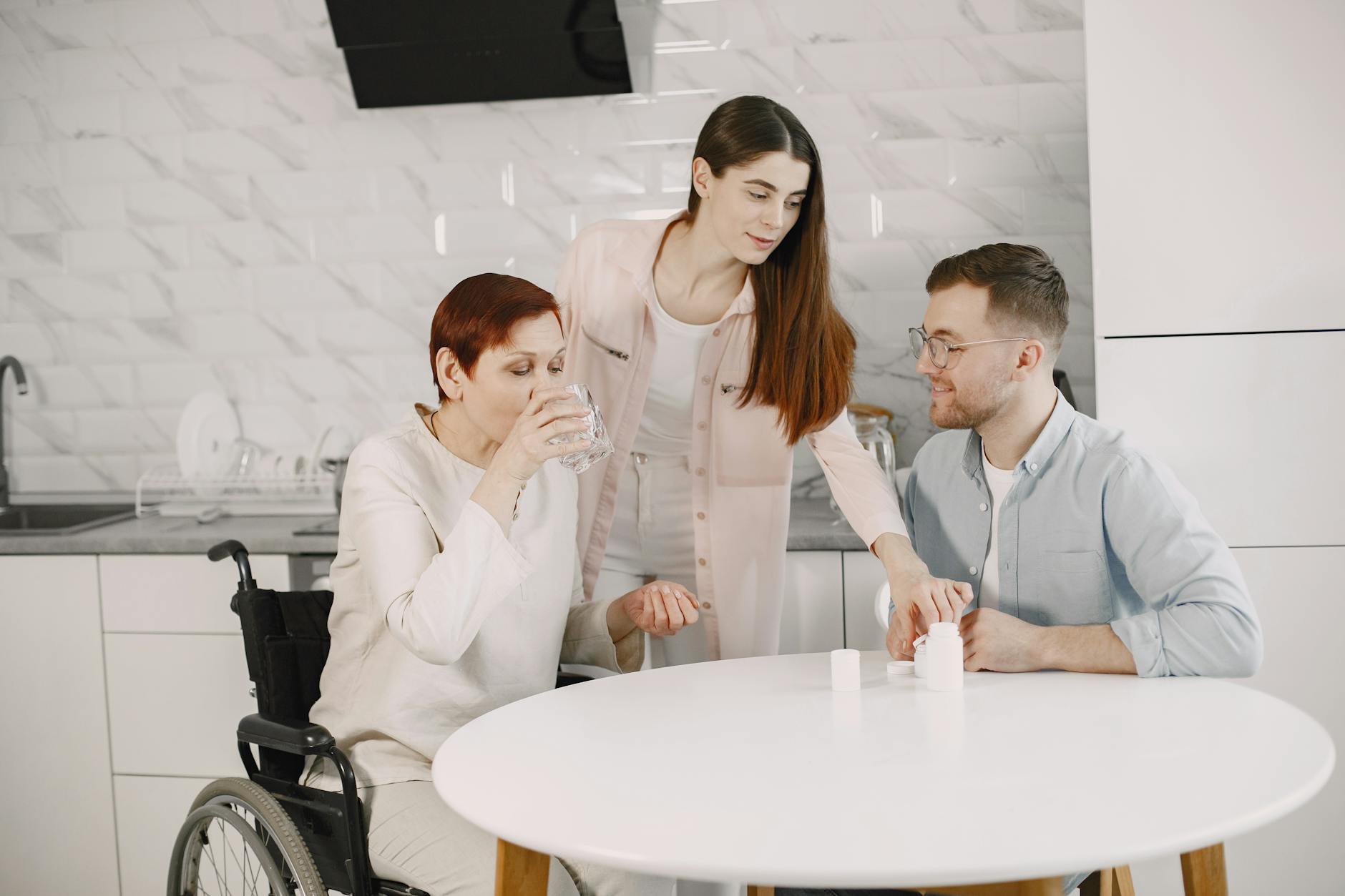
Virtual and Hybrid Conference Options
The shift toward virtual and hybrid conferences, accelerated during the COVID-19 pandemic, has changed accessibility for many caregivers. Virtual conferences eliminate travel costs and time away from home, allowing caregivers to attend a session or two while managing care duties. Some operate synchronously (live, real-time sessions) while others offer on-demand access to recorded content, which is particularly valuable for caregivers managing nighttime behavioral changes or unpredictable care situations that make rigid schedules impossible.
The tradeoff is clear: virtual conferences remove the informal networking and hallway conversations that many in-person attendees value most. You attend a workshop, but you’re in your home office rather than meeting other caregivers at lunch. However, for geographically isolated caregivers, caregivers with significant mobility limitations, or those managing advanced dementia care, virtual access to conference content may be the only realistic option. Some organizations now offer both formats, allowing you to choose what works for your situation.
Long-Term Impact and Applying What You Learn
The real value of a conference emerges weeks and months after it ends, when you implement the strategies you learned, use resources you discovered, or maintain friendships formed. A caregiver who learned about advance care planning at a conference might schedule an appointment with an elder law attorney. Another might join a support group recommended at a workshop and attend meetings monthly for years. Someone who learned communication techniques for advanced dementia might notice reduced behavioral issues when they apply those approaches consistently.
However, many caregivers report that returning to their caregiving routine without ongoing support causes conference insights to fade. The momentum and perspective gained in a conference setting can erode when you’re exhausted at 11 p.m. trying to manage nighttime wandering. To sustain the benefit, caregivers often need to actively maintain one or two specific changes—scheduling that support group meeting, committing to one new communication technique, or connecting with another caregiver monthly. Conferences that provide post-event resources, online communities, or follow-up materials tend to have better long-term impact than those that end when attendees leave.
Conclusion
Alzheimer’s conferences serve caregivers by consolidating professional expertise, peer support, and practical training in one setting. For caregivers feeling isolated, overwhelmed, or unsure about managing care decisions and behavioral changes, attending a conference can shift their sense of capability and connection. The value depends partly on choosing a conference suited to your needs, partly on active networking while you’re there, and largely on what you do with what you learn afterward.
If you’re considering conference attendance, start by clarifying what you most need: Are you seeking peer support, specific disease education, practical hands-on skills, or connection to professional resources? Use that to select a conference aligned with those goals. Before attending, plan how you’ll arrange backup care for your loved one. Afterward, commit to implementing at least one change and maintaining one relationship formed at the conference. These steps transform a conference from a pleasant but temporary respite into a real turning point in how you approach caregiving.
Frequently Asked Questions
How much do Alzheimer’s conferences typically cost?
Registration fees range from $0 (free virtual sessions or some regional events) to $300-500+ for major conferences like the Alzheimer’s Association annual meeting. Add travel, hotel, and meals if attending in person. Some organizations offer scholarships for caregivers with financial need.
What if I can’t leave my loved one to attend?
Virtual or hybrid conferences allow partial attendance from home. Consider one-day local conferences to minimize time away. If in-person attendance is necessary, arrange respite care through adult day programs, home care agencies, or family members. The Alzheimer’s Association sometimes offers caregiver respite during their conference.
Will conference information contradict what my loved one’s doctor says?
Not typically. Conferences present evidence-based information, but your loved one’s physician has specific medical knowledge about their condition, medications, and history that conference speakers don’t. Use conference information as context and bring questions back to your doctor.
Is there a “best” conference for new caregivers?
The Alzheimer’s Association’s annual conference and regional dementia care symposiums tend to offer sessions explicitly for new caregivers. Smaller local conferences can feel less overwhelming if large events seem intimidating. Start with what’s accessible—virtual is fine—and see what resonates before committing to a larger or costlier event.
How do I stay connected with caregivers I meet?
Exchange contact information during the conference. Follow up within a week while the connection is fresh. Consider forming or joining a small group that meets monthly by video call, or use social media groups associated with the conference. Without deliberate follow-up, connections fade quickly.
Can I attend a conference if my loved one is in advanced dementia?
Yes, but plan carefully for backup care during your absence. Some conferences offer childcare or dependent care; check beforehand. Virtual attendance or a single-day local conference may be more realistic if arranging extended backup care is difficult or expensive.
You Might Also Like
- New Hope Emerges for Alzheimer’s Patients and Caregivers
- Legal Action Filed Over Alzheimer’s Patient Care Violations
- Brain Stimulation Collaboratory Develops New Alzheimer’s Care Models
For more, see NIH MedlinePlus — dementia.