Reviewed by the Help Dementia Editorial Team — our editors review every article for accuracy against guidance from the National Institute on Aging, the Alzheimer’s Association, and peer-reviewed sources.
Brain better sits at the center of this dementia and brain health question.
Spinach has a measurable advantage over brain supplements: it protects cognitive function in ways that isolated nutrients cannot. While supplement companies market lutein and zeaxanthin—the compounds that make spinach neuroprotective—they simply do not deliver the same brain benefits as eating the whole vegetable. The difference lies not in marketing but in how your body processes nutrients from whole foods versus pills. A person eating regular portions of spinach engages protective mechanisms that remain unavailable to those relying on supplements alone. The evidence is striking.
Studies show that people who eat an additional serving of leafy greens daily have cognitive performance comparable to individuals approximately eleven years younger. That’s not a marginal improvement; that’s a meaningful reversal of age-related cognitive decline. Meanwhile, clinical trials of lutein and zeaxanthin supplements—including the large AREDS2 study—found no effect on cognitive function in older adults. Some supplement trials actually produced harm. Why does whole spinach work while supplements fail? The answer involves how nutrients are absorbed, processed, and utilized by brain tissue. Understanding this distinction is essential for anyone concerned about dementia prevention or maintaining mental sharpness.
Table of Contents
- Why Whole Spinach Outperforms Isolated Brain Supplements
- The Brain Chemistry Behind Lutein and Zeaxanthin in Whole Foods vs. Supplements
- How Regular Spinach Consumption Reverses Cognitive Decline
- Preparing Spinach Properly to Maximize Brain Benefits
- Why Supplements Failed in Major Clinical Trials
- Building a Brain-Healthy Diet Around Spinach and Other Greens
- The Future of Nutritional Brain Health
- Conclusion
Why Whole Spinach Outperforms Isolated Brain Supplements
Spinach contains far more than just lutein and zeaxanthin. It is a concentrated source of folate, a B vitamin essential for producing neurotransmitters, repairing DNA in brain cells, and protecting against oxidative stress. Spinach also contains polyphenols, quercetin, and other compounds that work synergistically—meaning they enhance each other’s effects. When you consume a supplement containing only lutein and zeaxanthin, you’re consuming a fraction of what spinach delivers. Your brain does not receive the full protective ensemble. The research bears this out consistently. In one clinical trial, participants taking lutein and zeaxanthin supplements for one year showed improvements in complex attention, executive function, and mental flexibility compared to placebo.
This sounds promising until you compare it to the AREDS2 trial, which enrolled over 4,000 older participants: lutein and zeaxanthin supplementation produced zero effect on cognitive function. The difference between studies likely comes down to sample size, population characteristics, and the reality that supplements sometimes work in limited contexts but fail to translate into broad-based protection. Whole foods avoid this problem because they supply a complex matrix of nutrients. A 100-gram serving of raw spinach contains not just lutein and zeaxanthin but also manganese, magnesium, vitamins K and C, and hundreds of phytonutrients identified and unidentified. Your brain tissue utilizes this diversity. Supplements, by contrast, are reductionist—they isolate one or two compounds in hopes of capturing benefit. Neurobiology is more sophisticated than that.

The Brain Chemistry Behind Lutein and Zeaxanthin in Whole Foods vs. Supplements
Lutein and zeaxanthin make up approximately 66 to 77 percent of total carotenoid concentration in human brain tissue. This is not coincidental. These compounds accumulate in the brain specifically because they protect against oxidative damage and maintain neural function. When you eat spinach, your digestive system breaks down plant cell walls, making these carotenoids bioavailable. The fat-soluble nature of these compounds means they require dietary fat for absorption—one reason sautéing spinach in olive oil is more effective than eating it raw. The limitation with supplements is bioavailability. An isolated lutein supplement delivers the compound to your system, but it lacks the plant matrix that facilitates absorption. Additionally, isolated supplements flood the system with unnaturally high doses of single compounds.
Your body is not evolutionarily adapted to process megadoses of lutein. Whole foods deliver nutrients in proportions your brain has evolved to handle. There is also growing evidence that micronutrient balance matters—too much of one compound without others can actually impair absorption or create imbalances. One study found that participants taking beta-carotene supplements actually increased their risk of lung cancer, a cautionary tale about the dangers of nutrient isolation. The contrast becomes clear when you examine how these compounds reach brain tissue. From spinach, lutein and zeaxanthin arrive as part of a biochemical symphony. From a supplement bottle, they arrive as solitary notes. Research shows that within just 60 days of consuming 60 grams of spinach daily, most people show significant boosts in macular pigment density—a measurable biomarker of brain-protective carotenoid accumulation. Supplements show slower or no accumulation of these compounds in brain tissue.
How Regular Spinach Consumption Reverses Cognitive Decline
The cognitive benefits of leafy green vegetables extend far beyond what supplements achieve. Research published by the National Institute on Aging found that one additional daily serving of leafy greens is associated with cognitive performance comparable to individuals approximately eleven years younger. This is not modest. If you are 70 years old and you add spinach to your diet, your brain function could resemble that of a 59-year-old who does not eat leafy greens regularly. The decline that typically accompanies aging slows dramatically. One mechanism behind this protection involves amyloid-beta, the toxic protein that accumulates in Alzheimer’s disease. Among people following plant-based diets, those consuming seven or more weekly servings of green leafy vegetables had significantly less amyloid-beta buildup than those eating only one to two servings per week.
The difference was measurable via imaging. Over years, this accumulation difference translates into radically different cognitive trajectories. Someone eating spinach twice weekly versus daily is, in essence, choosing different brain futures. Why does this effect materialize with whole vegetables but not with supplements? Because protecting the brain requires sustained, balanced nutrient delivery over months and years. A supplement bottle cannot sustain what a food habit can. Your brain needs steady access to folate, carotenoids, and antioxidants simultaneously, not episodic access to isolated compounds. Spinach, eaten as a regular food, provides this consistency. A supplement, taken sporadically or even daily, fragments what evolution designed as an integrated nutrient package.
Preparing Spinach Properly to Maximize Brain Benefits
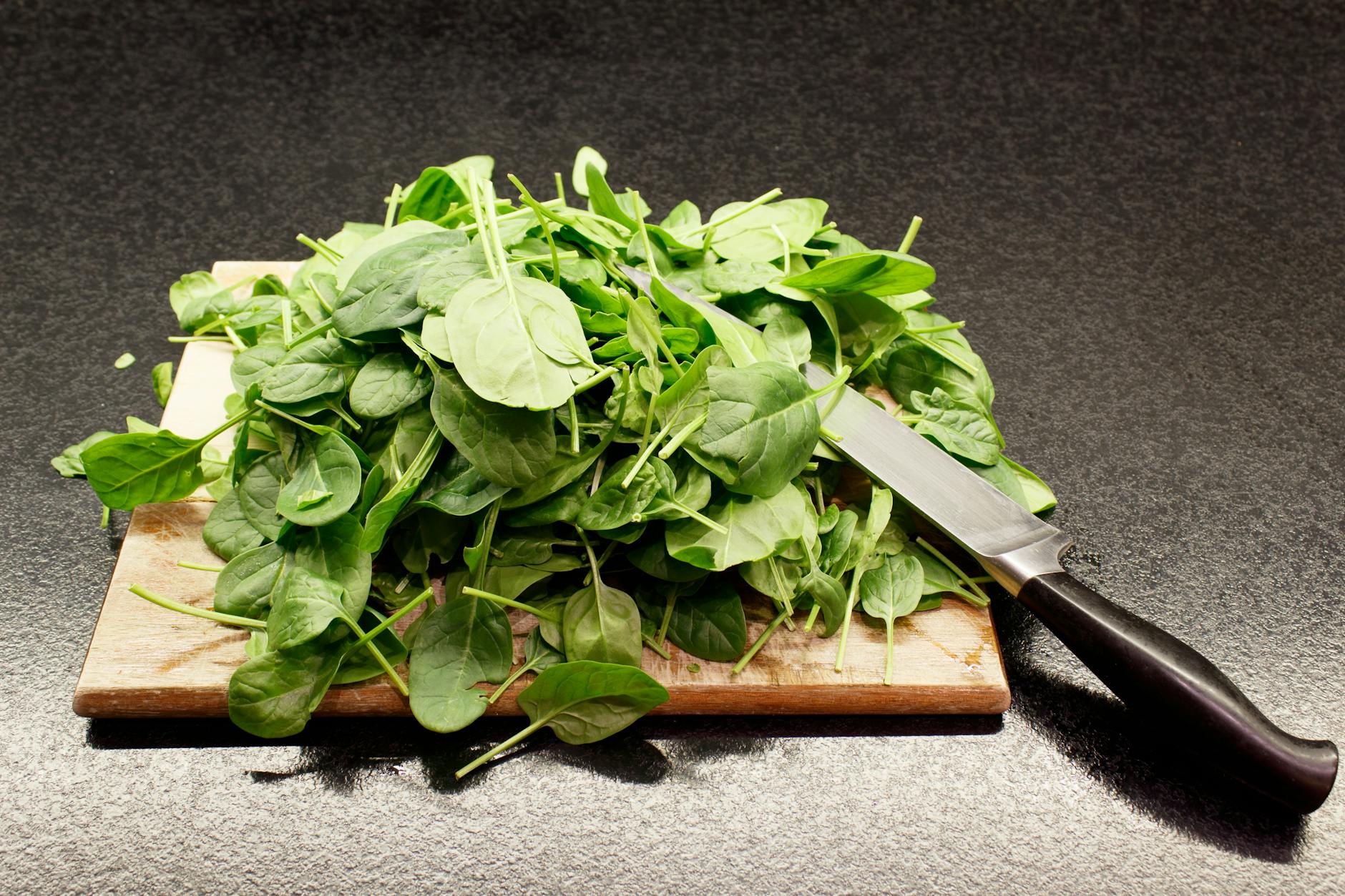
How you prepare spinach determines how much neuroprotection you actually receive. Raw spinach contains high concentrations of oxalates, compounds that bind to minerals and prevent their absorption. If you eat raw spinach salad as your primary form of consumption, you are blocking absorption of lutein, zeaxanthin, folate, and minerals critical for brain health. This is a meaningful limitation that goes unmentioned in many popular articles. Sautéing or steaming spinach with olive oil solves this problem. Heat breaks down oxalates, making nutrients bioavailable. The fat in olive oil facilitates absorption of fat-soluble carotenoids.
A simple spinach sautéed in a teaspoon of olive oil for two to three minutes is far more brain-protective than large quantities of raw spinach. Consider this practical tradeoff: you could eat a large raw spinach salad and absorb perhaps 30 percent of the nutrients, or you could eat a smaller portion of cooked spinach and absorb nearly all of them. The cooked version is neurologically superior despite its smaller volume. Temperature and timing matter as well. Overcooking destroys heat-sensitive compounds like folate and vitamin C. Steaming for five to eight minutes, or sautéing for two to four minutes, preserves most nutrients while breaking down oxalates. If you prepare spinach this way once daily, you provide your brain with consistent doses of neuroprotective compounds in bioavailable form. A bottle of supplements cannot replicate this consistency or the synergistic effect of whole-food nutrients.
Why Supplements Failed in Major Clinical Trials
The landmark AREDS2 trial tested lutein and zeaxanthin supplementation in over 4,000 older adults with or at risk for age-related macular degeneration. Researchers expected supplements to slow cognitive decline, just as earlier studies in younger populations suggested. Instead, they found no effect. Lutein and zeaxanthin supplementation did not prevent cognitive decline. This null result is not a minor footnote; it represents one of the largest, most rigorous tests of these compounds in supplement form. Similar failures appear across the supplement research landscape. Numerous landmark trials of isolated nutrients—beta-carotene, vitamin E, B vitamins, and others—either failed to show benefit or caused harm. In some cases, supplementation increased disease risk.
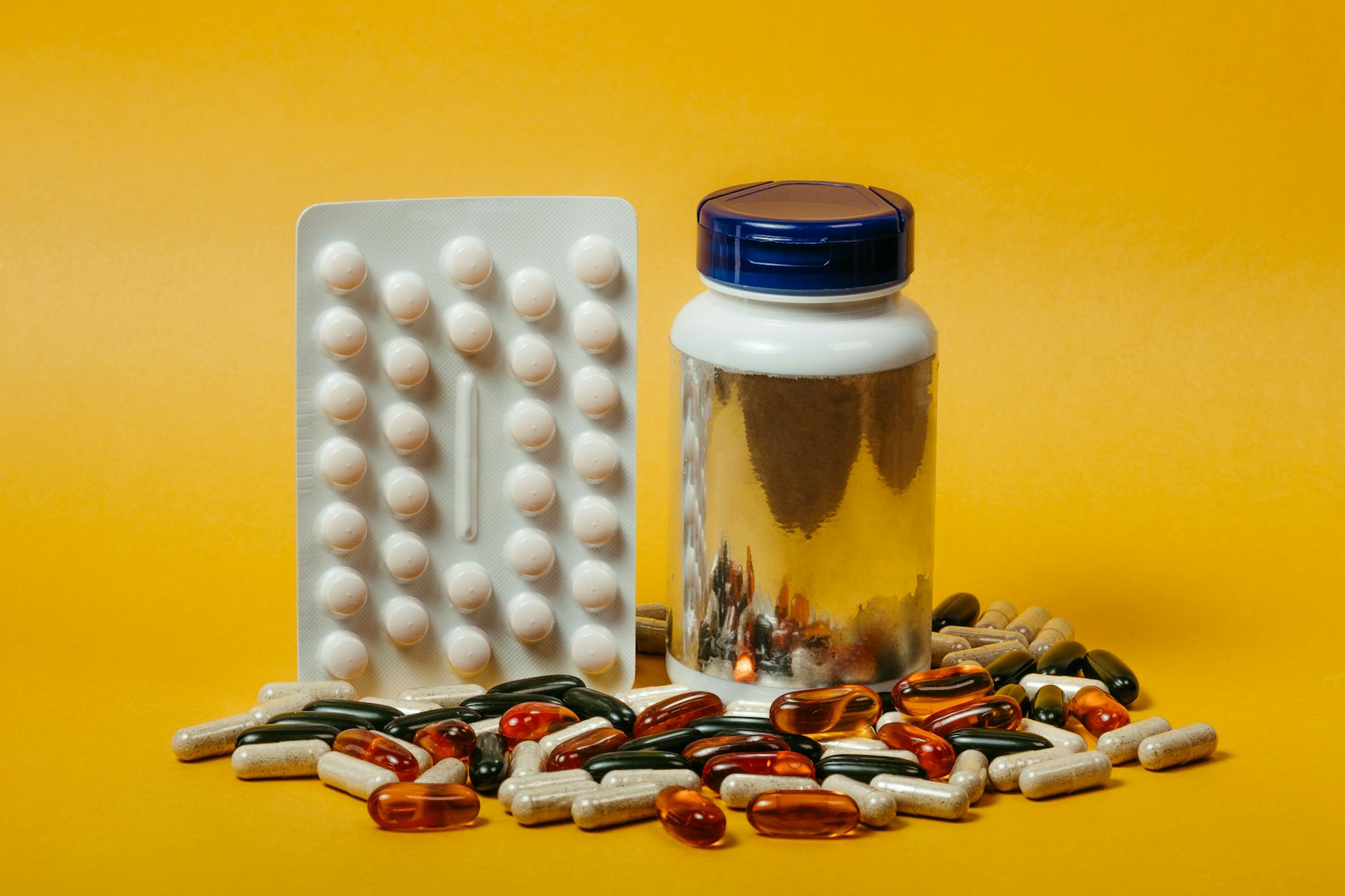
The reason appears to be dose and form. Supplements deliver unnatural doses of single compounds without the buffering and synergistic effects of whole foods. A limitation many people do not appreciate is that supplements work differently in healthy people than in those with existing disease. Someone eating spinach prophylactically (to prevent cognitive decline) may see different results than someone taking supplements after disease has already begun. The broader lesson is that nutrition research is littered with supplement disappointments. The supplement industry markets compounds based on association studies—research showing that people who naturally consume more spinach have better cognition. But supplement trials, which deliver isolated compounds to isolated populations, consistently fail to replicate these associations. This discrepancy tells you something important: the whole food is doing something the supplement cannot.
Building a Brain-Healthy Diet Around Spinach and Other Greens
Spinach should be one element of a broader dietary strategy for brain health, not the only one. Other leafy greens—kale, collards, arugula, Swiss chard—contain similar profiles of lutein, zeaxanthin, and folate. Rotating among them provides variety in micronutrient profiles and prevents the boredom that derails dietary habits. A practical example: someone might sauté spinach with garlic on Monday, make a kale and white bean soup on Wednesday, and include mixed greens in a Wednesday dinner salad. Over the course of a week, this person achieves diversity in both the compounds they consume and the culinary experiences they enjoy.
Pairing leafy greens with other foods enhances their brain benefits. Adding egg yolks, olive oil, nuts, or fish to meals containing spinach increases absorption of fat-soluble compounds and adds additional neuroprotective nutrients. A spinach salad dressed with olive oil and topped with walnuts and seeds provides lutein, zeaxanthin, and omega-3 fatty acids. A spinach omelet with cheese provides folate, fat for carotenoid absorption, and additional protective compounds from the eggs. The synergy extends beyond spinach itself to how you integrate it into broader eating patterns.
The Future of Nutritional Brain Health
As dementia becomes increasingly common and costly, the case for whole-food approaches to brain protection strengthens. Researchers are moving beyond isolating single compounds and toward understanding how whole foods work in real-world dietary patterns. Emerging evidence suggests that the benefits of leafy greens come not from any single compound but from the integrated effect of dozens of nutrients working together. This shift in thinking—from reductionist supplement science to holistic food science—is likely to reshape recommendations.
The future of brain health lies in sustainable dietary habits, not supplement routines. A person who eats spinach regularly, prepared properly, and as part of a diverse diet will experience measurably better cognitive aging than someone taking supplement pills. The evidence base for this is now robust. As researchers continue to study how foods protect the brain at the molecular level, the gap between supplements and whole foods will likely become even clearer.
Conclusion
Spinach protects your brain better than supplements because it delivers a complex package of nutrients—lutein, zeaxanthin, folate, and hundreds of other compounds—in forms your brain has evolved to utilize. No isolated supplement can replicate this. The largest clinical trials of lutein and zeaxanthin supplementation found no effect on cognitive function, while consistent research shows that eating additional servings of leafy greens is associated with cognitive function comparable to being eleven years younger.
This is not a matter of opinion but of measurable, reproducible science. If you are concerned about maintaining cognitive function and preventing age-related decline, the evidence points toward action you can take today: prepare spinach properly by sautéing or steaming it with olive oil, eat it regularly as part of a diverse diet, and let food be your primary tool for brain protection. Supplements may feel like a shortcut, but decades of research suggest they are a detour. Your brain is better served by the whole food your ancestors ate for millennia.
You Might Also Like
- wild blueberries May Protect Your Brain Better Than Supplements
- walnuts May Protect Your Brain Better Than Supplements
- turmeric May Protect Your Brain Better Than Supplements
For more, see NIH MedlinePlus — dementia.