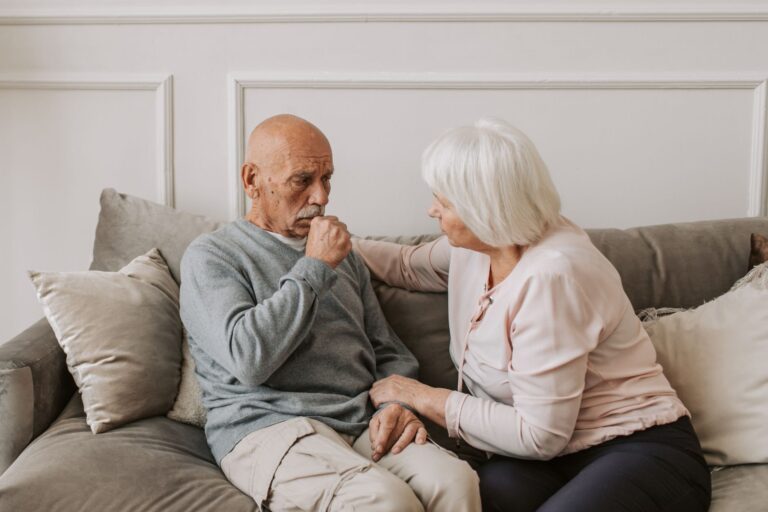
Regular, meaningful social connection may help reduce dementia risk by supporting cognitive activity, emotional health, physical movement, and access to practical care. It cannot guarantee that someone will avoid dementia, but reducing persistent isolation is a sensible part of protecting brain health. For example, a retired adult who attends a weekly walking group gains conversation, exercise, routine, and a reason to leave home—all in one activity. The most useful connections are consistent and personally meaningful, not simply frequent.
A quiet weekly meal with a trusted neighbor may offer more benefit than attending a crowded event where a person feels uncomfortable or excluded. Practical strategies include scheduling recurring contact, joining interest-based groups, addressing hearing or transportation barriers, volunteering, and helping isolated people participate without taking control away from them. Isolation should also be treated as a possible warning sign rather than dismissed as a lifestyle choice. Withdrawal may follow bereavement or retirement, but it can also reflect depression, hearing loss, mobility problems, medication effects, or early cognitive changes. A sudden or marked change in social behavior deserves attention from a healthcare professional.
Medical information disclaimer: This article is for general educational purposes only and does not provide medical advice, diagnosis, or treatment. Always consult a physician or other qualified health professional about symptoms, medications, tests, or treatment decisions.
Table of Contents
- How Are Social Connection and Dementia Risk Related?
- Loneliness, Social Isolation, and Living Alone Are Different
- Health Barriers That Can Look Like Social Withdrawal
- Practical Ways to Reduce Isolation Without Overwhelming Someone
- Common Problems When Building a Social Routine
- Making Social Activities More Dementia-Friendly
- Tracking Isolation and Knowing When to Seek Help
- Frequently Asked Questions
How Are Social Connection and Dementia Risk Related?
Social connection engages several systems associated with healthy aging. Conversation draws on attention, language, memory, and the ability to interpret another person’s meaning. Shared activities may involve planning, learning, movement, and problem-solving. Social contact can also make it easier for others to notice changes in health, encourage medical care, or help someone maintain routines involving meals, medication, sleep, and exercise. Researchers have repeatedly found an association between social isolation or loneliness and a higher risk of cognitive decline and dementia. That does not prove isolation directly causes dementia in every case.
The relationship can work in both directions: limited contact may contribute to poorer health, while subtle cognitive changes may make conversation, travel, or group participation harder. Consider two people who each live alone. One speaks with family several times a week, knows neighbors, attends a book group, and can ask for help. The other has little contact and no dependable support. Their living arrangements are identical, but their degree of social connection is not. Living alone is therefore not the same as being socially isolated.
Loneliness, Social Isolation, and Living Alone Are Different
Social isolation is an objective shortage of contact, relationships, or support. Loneliness is the subjective feeling that one’s desired level of connection is missing. A person can live alone without feeling lonely, or feel deeply lonely while living with relatives. These distinctions matter because the solutions differ: someone with few contacts may need opportunities to meet people, while someone surrounded by others may need safer or more emotionally satisfying relationships. Quality also matters.
Contact characterized by criticism, conflict, coercion, or exhaustion may increase stress rather than relieve it. Pressuring a reserved person to attend several large gatherings can make social participation feel like a burden. A smaller activity built around a familiar interest—such as gardening with one neighbor—may be more sustainable. Loneliness should not be treated as a personal failure. Bereavement, caregiving, disability, poverty, language barriers, discrimination, and relocation can all shrink a person’s social world. A warning sign is persistent loneliness accompanied by hopelessness, loss of pleasure, major sleep changes, poor appetite, or thoughts of self-harm; these symptoms require prompt professional support rather than a busier social calendar alone.
Health Barriers That Can Look Like Social Withdrawal
Hearing loss is a common and easily overlooked barrier. In a noisy restaurant, a person who cannot follow the conversation may smile, nod, and eventually stop attending. Family members may misinterpret this as disinterest or confusion. A hearing assessment, quieter meeting place, better lighting for lip-reading, and appropriately fitted hearing devices may make participation easier. Vision changes, pain, incontinence, fatigue, and limited mobility can create similar patterns.
Someone with arthritis may decline a card group because handling the cards hurts, not because the group has lost its appeal. Large-print cards, a card holder, shorter sessions, or an accessible venue can preserve the activity without drawing unnecessary attention to the limitation. Cognitive changes themselves can complicate social situations. A person may avoid gatherings because they struggle to remember names, follow rapid conversation, or hide repeated questions. Hosts can help by limiting background noise, introducing people by name, offering one activity at a time, and avoiding public corrections. Sudden confusion, hallucinations, or abrupt withdrawal is not a normal social change and should be medically evaluated promptly.
Practical Ways to Reduce Isolation Without Overwhelming Someone
Start with one predictable commitment. A weekly phone call every Tuesday evening, a regular coffee after a medical appointment, or a standing Saturday walk is easier to maintain than vague promises to “talk soon.” Recurring plans reduce the mental work of organizing each contact and give both people something dependable to anticipate. Match the activity to the person’s interests and energy. A former mechanic might enjoy helping at a repair café; a lifelong reader may prefer a library discussion; a person who dislikes groups might cook with one friend.
In-person contact offers richer communication and may encourage movement, but telephone or video calls can be more accessible during bad weather, illness, or periods without transportation. Digital contact is useful when it complements real relationships, although it may feel tiring or confusing for people unfamiliar with the technology. Offer choices rather than instructions. “Would you prefer a short walk or tea at home?” preserves more control than “You need to get out.” Begin with brief visits, provide clear start and end times, and allow recovery time afterward. Three well-tolerated half-hour contacts may be more sustainable than one exhausting afternoon event.
Common Problems When Building a Social Routine
Transportation is often the practical obstacle behind apparent isolation. A community program has little value if the bus stop is too far away, evening travel feels unsafe, or the person no longer drives. Possible alternatives include daytime scheduling, community transport, ride-sharing with a trusted participant, home-based visits, or activities within walking distance. Before arranging a ride, check accessibility needs such as space for a walker or assistance getting through the door. Caregivers can become isolated too.
Constant supervision, sleep disruption, and the difficulty of taking a person with dementia into unfamiliar settings may gradually end friendships and hobbies. Respite care, adult day services, caregiver groups, or rotating help from relatives can protect a caregiver’s social life, but affordability, availability, and the person’s comfort with new care arrangements may limit these options. Scams and exploitation are important warnings, especially when someone is eager for companionship. New online friends, romantic contacts, or helpers who quickly request money, passwords, gifts, or secrecy should raise concern. Support should protect safety without automatically removing autonomy: review privacy settings together, establish a trusted contact for financial questions, and discuss suspicious requests without ridicule or accusation.
Making Social Activities More Dementia-Friendly
For a person already living with dementia, success may depend less on conversation and more on shared presence. Familiar music, folding towels, watering plants, looking through labeled photographs, or taking a short walk can create connection without testing memory. Instead of asking, “Do you remember this wedding?” a visitor might say, “This is your sister Anna at the wedding.
You both look happy,” allowing the person to respond without pressure. Keep groups small, routines familiar, and instructions simple. A community choir, for example, might seat the person beside the same supportive member each week, use clearly printed lyrics, and provide a quiet place for breaks. Correcting mistaken details repeatedly or asking a series of memory questions can turn a visit into an examination and discourage future participation.
Tracking Isolation and Knowing When to Seek Help
A simple contact map can reveal gaps that casual observation misses. Write down the people and groups someone can contact for companionship, practical assistance, emergencies, and healthcare. If every category depends on one caregiver, the support network is fragile even when daily contact appears frequent.
Adding one regular neighbor check-in and one community contact can provide useful backup without creating an unmanageable schedule. Seek medical advice when withdrawal is new, worsening, or accompanied by memory problems, difficulty managing everyday tasks, personality changes, depression, falls, weight loss, or neglected self-care. For example, repeatedly missing a long-standing lunch because the person gets lost on the route calls for cognitive and medical assessment, not simply more reminders to socialize.
Frequently Asked Questions
Does being socially active prevent dementia?
No activity can guarantee prevention. Social engagement is one potentially protective part of a broader approach that includes physical activity, management of health conditions, adequate sleep, hearing care, and avoiding smoking.
How much social contact is enough?
There is no universal number. Look for regular contact that feels supportive, offers dependable help when needed, and does not leave the person persistently lonely or overwhelmed.
Are phone and video calls as useful as meeting in person?
They can provide meaningful connection, particularly when distance, disability, weather, or caregiving duties make travel difficult. In-person contact may add movement and richer nonverbal communication, so a practical routine may combine both.
What if someone refuses group activities?
Respect the refusal and explore the reason. Noise, anxiety, hearing difficulty, transportation, fatigue, cost, or lack of interest may be the real barrier. One-to-one activities are valid alternatives.
Can pets reduce social isolation?
Pets may provide companionship, routine, and opportunities to speak with other people, but they also involve cost, physical work, and fall risks. Visits from a familiar animal or participation in a supervised animal program may be safer for some people.