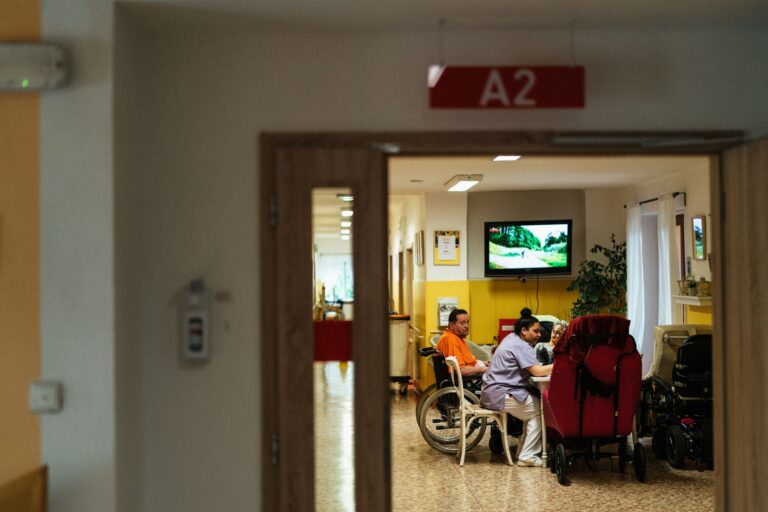
Yes, state budget pressure from provider-tax caps can affect nursing home care quality, mainly by squeezing Medicaid payment rates. A provider tax is a state tax on health care providers that states use to help fund Medicaid and draw federal matching dollars.
For dementia families, the risk is indirect but real. Nursing-home taxes avoid the deepest cut, yet states under broad budget strain may still hold down nursing-home pay. Lower pay is linked to lower quality ratings.
Medical information disclaimer: This article is for general educational purposes only and does not provide medical advice, diagnosis, or treatment. Always consult a physician or other qualified health professional about symptoms, medications, tests, or treatment decisions.
Table of Contents
- What changed for state Medicaid funding
- Are nursing-home taxes directly cut
- How budget strain could reach quality
- What can dementia families do now
What changed for state Medicaid funding
The One Big Beautiful Bill Act, signed July 4, 2025, froze Medicaid provider taxes by barring new taxes and increases to existing rates or bases, according to Hall Booth Smith in its summary of the Medicaid reforms. For Medicaid-expansion states, the law phases the safe-harbor limit down from 6 percent to 3.5 percent of net patient revenue from fiscal 2028 through 2032.
A July 2026 proposed rule, CMS-2452-P, would carry out that freeze by locking each state's tax capacity at July 4, 2025 levels starting Oct. 1, 2026. Because provider taxes are widespread, the freeze constrains many state budgets at once.
Are nursing-home taxes directly cut
Nursing-facility taxes have an important shield. Taxes on nursing facilities and intermediate care facilities for individuals with intellectual disabilities are exempt from the phasedown to 3.5 percent, though they remain subject to the freeze and July 2025 threshold, according to HFMA in its summary of the proposed hold-harmless rule.
That means states generally cannot expand nursing-home taxes to raise more Medicaid money. They can keep what they had, but they cannot lean on that tool for new revenue.
How budget strain could reach quality
The larger pressure comes from overall Medicaid losses. RAND projected that the law's Medicaid provisions will cut total state Medicaid budgets by 664 billion dollars over 2025-2034. Affected states must either replace the revenue or cut eligibility, covered services, or provider payment rates.
Nursing-home reimbursement sits inside that choice. Higher facility Medicaid rates were associated with greater likelihood of 4- or 5-star CMS Care Compare ratings in a study of 9,473 freestanding nursing homes in 44 states, reported by Skilled Nursing News in its report on the JAMDA study. Medicaid rates already ran below cost, with a national mean payment of 198 dollars per resident-day versus 253 dollars in estimated cost in 2019.
What can dementia families do now
Families cannot change state budgets, but they can watch for local effects. Payment pressure often shows up first as tight staffing, hiring gaps, fewer activities, or slower response to call lights. For residents with dementia, those changes matter because routine, supervision, and calm redirection depend on staff time.
- Check the home's current CMS Care Compare star rating and staffing rating.
- Ask how the home staffs evenings, weekends, and dementia units.
- Ask whether the home accepts Medicaid and whether admission policies have changed.
- Follow state Medicaid announcements about rates, benefits, or eligibility reviews.
- Raise staffing or care concerns early with the nurse manager and care-plan team.