Reviewed by the Help Dementia Editorial Team — our editors review every article for accuracy against guidance from the National Institute on Aging, the Alzheimer’s Association, and peer-reviewed sources.
Smart home sits at the center of this dementia and brain health question.
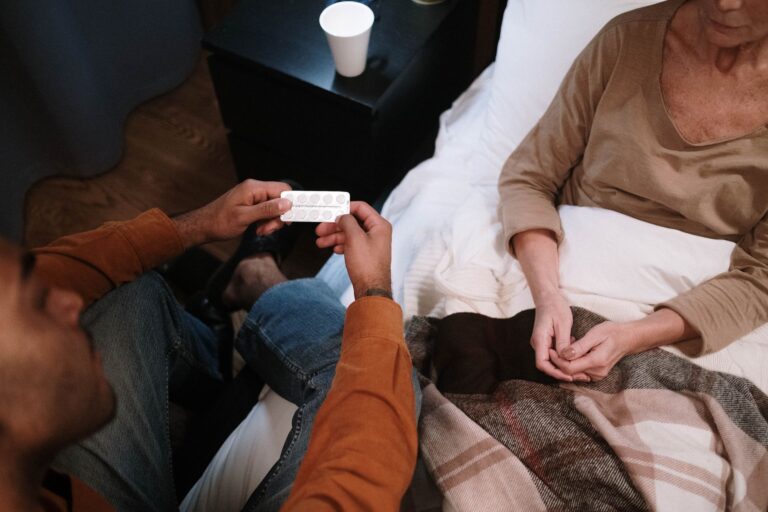
Smart home technology can meaningfully extend independent living for people with Alzheimer’s disease by automating daily tasks, providing safety monitoring, and reducing cognitive burden. Rather than requiring constant supervision or immediate transition to assisted living facilities, strategic use of smart home devices allows individuals with early to moderate Alzheimer’s to remain in their familiar home environment while caregivers receive alerts about potential risks. A person with Alzheimer’s might, for example, use a smart medication dispenser that reminds them when to take prescriptions, tracks compliance, and alerts their adult child if doses are missed—maintaining autonomy while preventing dangerous medication errors.
The appeal of smart home technology for Alzheimer’s care lies not in replacing human connection or professional care, but in bridging gaps between checkups and reducing the daily cognitive demands that can overwhelm someone experiencing memory loss. These technologies work best as part of a layered approach that includes regular caregiver contact, medical oversight, and honest assessment of when in-home support is no longer sufficient. For many families, smart homes extend the timeline during which someone can safely live at home—sometimes adding months or years of independence before additional care becomes necessary.
Table of Contents
- How Can Smart Home Devices Help Alzheimer’s Patients Maintain Independence?
- What Limitations and Privacy Concerns Come With Always-On Monitoring?
- What Specific Devices Have Shown Real Benefits in Alzheimer’s Care?
- What Is the Practical Approach to Choosing Smart Home Technology?
- When Does Smart Home Technology Stop Being Enough?
- Can Caregivers Use Smart Home Data to Spot Early Decline?
- Looking Forward—What Emerging Technologies Show Promise for Alzheimer’s Care?
- Conclusion
How Can Smart Home Devices Help Alzheimer’s Patients Maintain Independence?
Smart home technology addresses specific challenges that people with Alzheimer’s face: remembering to take medications, getting lost in their own home, wandering outside, leaving appliances running, or falling without help nearby. Devices like voice-activated assistants can provide reminders, medication dispensers send alerts to family members, motion sensors can detect falls or unusual patterns, and door sensors alert caregivers if a person leaves the home at unusual times. GPS-enabled devices worn as watches or bracelets allow families to locate someone quickly if they wander, reducing the panic and danger of the situation.
The difference between simple monitoring and true independence support is crucial. A basic baby monitor tells you something went wrong; a well-chosen suite of smart home tools helps prevent problems from occurring in the first place. Someone with early Alzheimer’s might benefit tremendously from a smart doorbell with video (to screen visitors without navigating to the door), a smart thermostat (reducing confusion about temperature control), and a smart speaker that responds to questions about appointments or weather. A comparison: whereas a person with advanced dementia might need 24/7 care regardless of technology, someone in the early stages can often remain home alone safely for several hours with the right tools in place.

What Limitations and Privacy Concerns Come With Always-On Monitoring?
The most significant limitation of smart home technology for Alzheimer’s care is that it can create a false sense of security—a caregiver might assume their parent is safe because motion sensors are active, then miss the slow accumulation of other warning signs that the person needs more hands-on help. Devices fail, connections drop, alerts go unnoticed if caregivers are busy or emotionally fatigued, and no technology can replace human judgment about whether someone is truly capable of living alone. A senior living near a lake whose motion sensors show they’re leaving the house regularly might genuinely be in danger, regardless of whether the technology is working. Privacy is another real concern that often goes understated in discussions of smart home care.
Cameras, microphones, and tracking devices create detailed records of someone’s behavior, location, and habits—information that could theoretically be accessed by hackers, third-party advertisers, or even untrustworthy family members. Additionally, older adults with Alzheimer’s may feel monitored or controlled rather than supported, particularly if they retain some awareness of their condition. The emotional and relational cost of constant surveillance—however well-intentioned—can damage trust and dignity. Some people with Alzheimer’s experience increased anxiety when they realize they’re being watched, which defeats the purpose of supporting independence.
What Specific Devices Have Shown Real Benefits in Alzheimer’s Care?
Medication management devices like Hero or PillPack have genuine clinical track records: studies show they reduce missed doses and medication errors, which is especially important since Alzheimer’s patients may be taking multiple medications for blood pressure, cholesterol, or other conditions alongside cognitive support drugs. These devices work by dispensing the correct medications at the correct time and alerting family members when a dose is missed. The example of a 74-year-old with early Alzheimer’s who independently managed her medications for six additional years because of a smart dispenser is not uncommon—many families report that this single device reduced their stress significantly.
Fall detection systems and activity monitoring (through devices like Philips Lifeline with AutoAlert) can be genuinely lifesaving, particularly for people at high fall risk due to balance problems, confusion, or medication side effects. When someone falls and cannot get up, early detection can mean the difference between a night on the floor (leading to pressure sores and hypothermia) and help arriving within minutes. However, false alarms are common, which creates “alert fatigue” among caregivers and can eventually lead them to ignore alerts—a well-documented problem in medical monitoring systems.

What Is the Practical Approach to Choosing Smart Home Technology?
Rather than trying to automate everything, the most effective approach is starting with the specific safety gaps in someone’s daily routine. If your parent forgets to lock the door at night, a smart lock matters. If they leave the stove on, smart appliances or stove monitors are worthwhile. If they wander and get lost, GPS tracking is essential. If they’re isolated and need cognitive stimulation, a voice assistant that plays music, gives weather updates, or enables video calls provides value.
The wrong approach is buying a full smart home package because it seems convenient, then discovering that too many notifications or too much complexity actually increases confusion. Cost and complexity are real tradeoffs that families must weigh honestly. A robust smart home setup for Alzheimer’s care can range from $500 to $3,000 initially, plus monthly subscriptions for monitoring services, GPS tracking, or medication management. For some families, this investment extends independence for a year or more, offering genuine value. For others, the money might be better spent on hiring a part-time caregiver for direct support, which provides human connection alongside practical help. There’s no single right answer—it depends on the person’s specific needs, the family’s resources, and what the individual actually wants.
When Does Smart Home Technology Stop Being Enough?
As Alzheimer’s progresses, the limitations of technology become increasingly apparent. Someone in the middle stages might disable or ignore alerts, remove tracking devices, become paranoid about cameras, or lack the cognitive ability to use voice commands correctly. A person who can no longer understand that a device is meant to help them—who interprets monitoring as surveillance or persecution—will not benefit from technology and may be harmed by it. This is a critical warning sign that the progression has moved beyond what smart devices can support.
Behavior changes like aggressive resistance to monitoring, refusal to wear tracking devices, or attempts to leave the home repeatedly and dangerously indicate that the person needs a higher level of care. At this point, adding more technology is often counterproductive. Instead, families should shift focus to whether in-home care with a caregiver present, adult day programs, or transition to an assisted living or memory care facility is appropriate. The hard truth is that technology extends independence during early and early-middle stages—but it does not prevent the progression of the disease.

Can Caregivers Use Smart Home Data to Spot Early Decline?
One underutilized benefit of smart home monitoring is using the data to identify changes that might signal progression. If motion sensors show that someone is sleeping more, moving less, or spending entire days in one room, these patterns can prompt a conversation with their doctor about whether medication needs adjustment or whether depression is emerging. Similarly, if someone suddenly stops using the smart speaker they previously used for music or news, it might indicate cognitive decline or mood changes worth investigating.
This detective work requires a careful, non-accusatory approach. A caregiver noticing through activity patterns that their parent seems increasingly withdrawn might frame it as concern (“I noticed you seem quieter lately—is everything okay?”) rather than confrontation based on monitoring data (“The sensors show you’re not moving around as much”). When used thoughtfully, smart home data can serve as an early warning system, giving families time to adjust care plans before a crisis occurs.
Looking Forward—What Emerging Technologies Show Promise for Alzheimer’s Care?
Artificial intelligence and improved voice recognition are creating the next generation of smart home support for Alzheimer’s. Newer systems can detect changes in speech patterns, mood, or cognitive function and alert caregivers to potential decline. Some research is exploring how AI can learn individual patterns and recognize when behavior deviates significantly from baseline—for example, detecting that someone is becoming lost in their own home or failing to eat regularly. These systems remain imperfect and raise their own ethical questions, but early results suggest they could provide more nuanced, personalized monitoring.
At the same time, there’s growing recognition in the dementia care field that “high-tech” is only part of the answer. The most successful outcomes combine smart home technology with human contact, purpose-driven activities, social engagement, and ongoing medical oversight. Technology that replaces human interaction may improve safety metrics but worsen quality of life. The future of smart home technology for Alzheimer’s likely lies in tools that enhance human connection (like video systems that make it easier for grandchildren to visit) rather than replace it.
Conclusion
Smart home technology can genuinely extend the period during which someone with Alzheimer’s can live independently, provided it’s selected thoughtfully based on specific needs rather than purchased broadly. Medication dispensers, fall detection, GPS tracking, and monitoring systems address real safety gaps and can reduce caregiver burden significantly. However, these tools are most effective in early to early-middle stages of the disease and work best as part of a comprehensive care plan that includes regular human contact, professional oversight, and honest assessment of when technology is no longer sufficient.
The key is maintaining perspective: smart home devices support independence but do not prevent disease progression. Families should begin with the specific problems they’re trying to solve, be realistic about privacy and data concerns, and stay alert to when additional supervision and care become necessary. For many people with Alzheimer’s and their families, the right combination of smart home technology and human support makes the difference between years of dignified, independent living at home and an earlier transition to institutional care—but only when implemented with clear-eyed understanding of both capabilities and limitations.
You Might Also Like
- Daily Check-In Programs Help Monitor Alzheimer’s Patients Remotely
- Medication Adherence Technology Supports Alzheimer’s Treatment Success
- Connected Device Ecosystems Support Alzheimer’s Home Management
For more, see Alzheimer’s Association — clinical trials.