Reviewed by the Help Dementia Editorial Team — our editors review every article for accuracy against guidance from the National Institute on Aging, the Alzheimer’s Association, and peer-reviewed sources.
Connected device sits at the center of this dementia and brain health question.
Connected device ecosystems—networks of smart home technology linked together through a central hub—can meaningfully support Alzheimer’s home management by reducing confusion, preventing safety emergencies, and helping caregivers monitor a person’s daily patterns without constant in-person presence. These systems work by automating routine tasks like medication reminders, monitoring door and window activity, detecting falls or unusual movement patterns, and adjusting environmental controls based on time of day, all while allowing family members to receive alerts and check in remotely. A person living with early-stage Alzheimer’s might use a smart medication dispenser that lights up and sounds an alarm at 9 AM, paired with a wearable device that alerts their adult child if they leave their home unexpectedly, combined with smart lighting that automatically brightens when they get out of bed at night—creating a coordinated support structure that reduces both the person’s anxiety and the caregiver’s burden.
The effectiveness of these ecosystems depends on thoughtful implementation tailored to the individual’s cognitive stage and living situation. Unlike generic smart home technology, Alzheimer-focused device ecosystems require careful configuration to avoid overwhelming the person with too many notifications or confusing interfaces, while simultaneously providing the monitoring and safety features their caregivers need. When set up properly, connected devices can extend the time a person can safely remain in their own home, reduce hospital readmissions related to falls or medication errors, and allow adult children caring for a parent across distance to catch problems before they escalate into crises.
Table of Contents
- How Do Connected Device Ecosystems Address Core Alzheimer’s Safety Challenges?
- What Device Types Create an Effective Alzheimer’s Home Ecosystem?
- How Does Remote Monitoring Help Family Caregivers Across Distance?
- What Are the Practical Steps to Set Up and Configure an Ecosystem?
- What Are Common Implementation Problems and Limitations?
- How Can Device Ecosystems Support Behavioral and Cognitive Symptoms?
- What Does the Future of Alzheimer’s Connected Ecosystems Look Like?
- Conclusion
- Frequently Asked Questions
How Do Connected Device Ecosystems Address Core Alzheimer’s Safety Challenges?
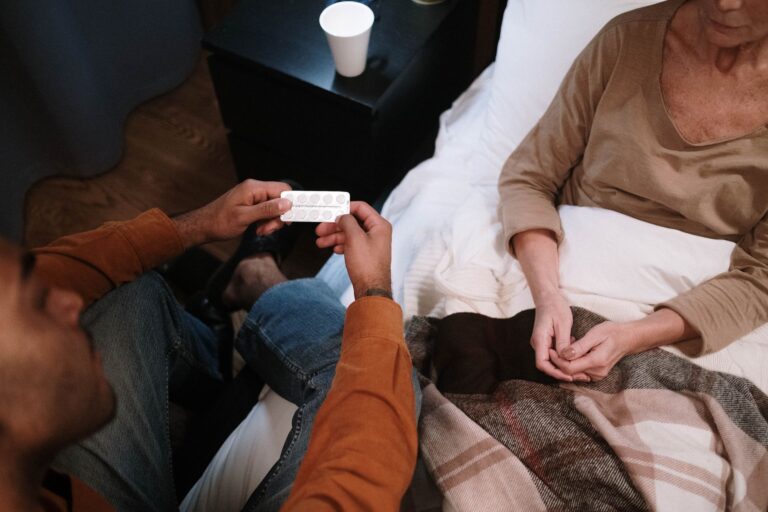
The primary safety challenges in Alzheimer’s home management—medication non-adherence, wandering or elopement, falls, and self-neglect—align directly with what connected device ecosystems are designed to address. Medication management is often the first critical area: a smart medication dispenser can store up to a month’s worth of medications in separate compartments, light up and announce when it’s time to take the next dose, and send an alert to a family member if a dose isn’t taken within 15 minutes. This eliminates the common problem where a person with Alzheimer’s forgets whether they’ve taken their medication and takes it twice, or forgets entirely and misses their dose. Similarly, door and window sensors paired with motion detection can alert caregivers if someone tries to leave at 3 AM or if they’ve been in the bathroom for an hour—patterns that might indicate a problem.
Falls represent one of the most serious safety risks, as a person with Alzheimer’s may not remember how to call for help after falling or may not realize they’ve been injured. Wearable alert devices with fall detection can automatically notify emergency contacts or services, while floor sensors under a bed or near stairs can detect unusual movement patterns that suggest someone might be at risk. The real-world difference this makes is substantial: a person who falls in a home without monitoring might lie on the floor for hours before being discovered, leading to pressure injuries, dehydration, and life-threatening complications. With a monitored ecosystem, a family member can receive an alert within seconds and dispatch help immediately. However, there’s an important limitation: these systems work best for people who are willing to wear devices consistently, which can be challenging with someone in mid-stage Alzheimer’s who may remove devices or forget they’re wearing them.

What Device Types Create an Effective Alzheimer’s Home Ecosystem?
A functioning ecosystem typically combines several categories of devices working together: a central hub (often a smart speaker or dedicated system), medication management devices, monitoring sensors, communication tools, and environmental controls. The central hub acts as the brain of the system, coordinating between different devices and connecting to the internet so caregivers can receive notifications on their phones. Amazon Alexa, Google Home, or dedicated systems like CarePredict use artificial intelligence to learn patterns of normal behavior and flag deviations—for example, recognizing that a person usually gets up at 7 AM and sits in their living room by 8 AM, then alerting caregivers if that routine suddenly changes. Medication dispensers like PillPack, Hero, or Medisafe combine physical hardware with app-based alerts, storing pre-sorted medications and reminding the person to take them at the right time.
Communication devices like Amazon’s Alexa Care Hub or Google’s Family Link allow voice-based reminders and two-way communication without requiring the person with Alzheimer’s to navigate a smartphone interface. Monitoring sensors include door/window alarms, motion detectors, fall detection wearables, and even bed sensors that detect when someone gets out of bed at night. Environmental controls like smart thermostats, lighting systems, and door locks can be programmed to automatically adjust based on time of day or person-specific needs. The limitation here is cost and complexity: a fully integrated system can easily exceed $3,000-$5,000 in initial setup plus monthly monitoring fees, and many systems require consistent Wi-Fi connectivity and technical support to maintain, which can be challenging for aging caregivers themselves.
How Does Remote Monitoring Help Family Caregivers Across Distance?
For adult children who live far from aging parents, remote monitoring through connected device ecosystems creates a meaningful compromise between safety oversight and respect for independence. Rather than calling multiple times a day or installing expensive in-home care staff, a caregiver can check a dashboard showing that their parent took their medications on time, used the toilet normally, spent time eating meals, and maintained their regular sleep schedule. This data provides reassurance that everything is proceeding normally, and more importantly, it generates specific alerts when patterns deviate from normal—like if someone hasn’t eaten in 12 hours, or if they’re up at 2 AM every night (which could indicate confusion, sleep disorder, or another health issue requiring intervention). A daughter caring for her mother in a different state can receive a notification that her mother opened the refrigerator 10 times in an hour without eating anything, triggering a phone call to check in and potentially identifying that her mother is confused about how to prepare food or is anxious about something.
The psychological benefit to the person with Alzheimer’s can also be substantial. Rather than feeling isolated or worried, they may experience reassurance from knowing help is available, and many systems allow for easy voice communication so they can call for help or chat with family members simply by speaking to a device. The downside is the surveillance aspect: some people with Alzheimer’s, particularly in earlier stages, may feel their privacy is violated, and this tension can damage relationships if not handled thoughtfully. Additionally, remote monitoring can create a false sense of security—a caregiver may feel they’ve checked the cameras and everything looks fine, then miss gradual declines in the person’s functioning that would be more obvious during an in-person visit. The most effective arrangements combine remote monitoring with regular in-person contact or hired care staff who can provide the human interaction and more nuanced observation that technology cannot fully replace.

What Are the Practical Steps to Set Up and Configure an Ecosystem?
Implementing a connected device ecosystem requires starting with the specific person’s needs, cognitive stage, and living environment rather than trying to deploy every available technology at once. The first step is a thorough safety assessment: identify the highest-risk behaviors or situations (Does this person wander? Do they forget medications? Are falls a concern? Do they leave the stove on?), then select devices that directly address those risks. A person in early-stage Alzheimer’s living alone might prioritize medication reminders and fall detection, while someone in mid-stage Alzheimer’s with a caregiver in the home might prioritize environmental controls like bed alarms and motion-activated lighting to prevent nighttime falls. The second step is installation and integration. This is where complexity increases significantly—many devices require separate apps, different Wi-Fi networks, or complex setup processes that frustrate both the person with Alzheimer’s and their family members. A simpler approach is to choose systems that work together natively: for example, using a single smart home hub like Amazon Alexa as the central controller, then adding compatible devices that integrate through that hub rather than creating five separate systems with five different apps.
The third step is careful configuration of notifications: too many alerts and caregivers stop paying attention or family relationships become strained by constant worry; too few and genuine problems go undetected. This requires regular adjustment as the person’s needs change. A warning here: many people implement these systems and then don’t maintain them—batteries in wearables die, Wi-Fi connections drop, medication dispensers aren’t refilled properly, and the whole system becomes unreliable. Building in accountability (a family member responsible for monthly battery checks, a caregiver responsible for refilling dispensers) is essential. The comparison to hire in-home care staff is important: a full-time professional caregiver costs $15,000-$25,000 monthly and provides continuous human supervision, while a device ecosystem might cost $200-$400 monthly and provides monitoring plus some automation. Neither is sufficient alone for someone with advanced Alzheimer’s, but for early to mid-stage, a well-designed ecosystem can provide meaningful safety improvement without the cost and complexity of 24/7 in-home care.
What Are Common Implementation Problems and Limitations?
One of the most common implementation problems is that people underestimate how much the person with Alzheimer’s needs to participate in using the devices. If the ecosystem requires them to interact with apps, wearables, or voice commands, they may refuse out of confusion or stubbornness, or they may forget how to use them. A smart medication dispenser doesn’t help if the person with Alzheimer’s doesn’t remember to go to it or refuses to take the medications it dispenses. Similarly, fall detection only works if the person wears the device, and many people in mid-stage Alzheimer’s actively resist wearing anything unfamiliar. A family member might purchase expensive wearables only to discover their parent removes them constantly or forgets they’re wearing them and sits on them or washes them with their clothes. Technical reliability is another serious limitation.
Wi-Fi networks drop, devices go out of sync, batteries die, and older people and caregivers often lack the technical knowledge to troubleshoot problems independently. Many systems require a smartphone app to receive alerts and check status, which is a barrier for older adults who don’t use smartphones regularly. A caregiver might think they’re receiving alerts about their parent’s activity but not realize their phone lost connection to the system, or they might not understand the alerts they do receive. Additionally, the data collected by these systems—location information, behavioral patterns, medication adherence—raises privacy and security concerns. If a system is hacked or data is sold, sensitive health information about a vulnerable person becomes exposed. There’s also an ethical concern about surveillance: even with good intentions, monitoring someone’s every movement and activity is a form of control that should only be used when truly necessary and should be done with the person’s input if they’re able to provide it.

How Can Device Ecosystems Support Behavioral and Cognitive Symptoms?
Beyond physical safety, connected device ecosystems can help manage some of the behavioral and cognitive challenges of Alzheimer’s. Automated reminders for meals, bathroom breaks, and daily activities can help prevent dehydration and incontinence issues. Environmental adjustments like lights that brighten when someone gets out of bed at night can reduce confusion and the risk of falls during nighttime bathroom trips—a common dangerous behavior in Alzheimer’s. Some systems use gentle cues to redirect behavior: for example, a light outside the bedroom that gently activates in the evening as a visual cue to prepare for bed, or a voice reminder from a trusted family member pre-recorded and played at a certain time (“It’s time for lunch, come to the kitchen”).
However, there’s an important limitation: these systems work best for managing routine behaviors and preventing physical harm, not for addressing the emotional distress, paranoia, or agitation that often accompanies Alzheimer’s. A reminder system can’t comfort someone who is experiencing fear or confusion. In fact, too many automated alerts and environmental controls can feel impersonal and can increase anxiety rather than reduce it. Some people with Alzheimer’s find comfort in the presence of another person but may experience more distress from a voice coming from a smart speaker telling them what to do. The most effective approaches combine technology with human interaction rather than replacing it.
What Does the Future of Alzheimer’s Connected Ecosystems Look Like?
The field is moving toward more sophisticated artificial intelligence that can predict changes in health status, not just monitor current activity. Next-generation systems will likely combine wearable biosensors that measure vital signs, movement patterns, and sleep quality with AI algorithms that can detect subtle signs of infection, delirium, or disease progression before obvious symptoms appear. For example, a change in gait speed or sleep pattern might be the earliest sign of a urinary tract infection in someone with Alzheimer’s, and detecting this pattern automatically could prompt medical evaluation before the infection progresses to delirium.
There’s also movement toward more person-centered design, where systems are customized to the individual’s preferences, history, and values rather than applying generic monitoring to everyone. Voice-based interfaces are improving, making it easier for people without smartphone skills to interact with systems. However, the future also depends on addressing persistent gaps: the cost of these systems remains prohibitive for many families, coverage by insurance and government programs remains limited, and the technical knowledge required to implement and maintain these systems is still a barrier for many older adults and their caregivers. The real transformation will happen when ecosystems become as easy to set up and use as standard household appliances, affordable enough for typical family budgets, and integrated with healthcare providers so that data flows directly to doctors who can act on it.
Conclusion
Connected device ecosystems can meaningfully improve safety, reduce caregiver burden, and extend the time a person with Alzheimer’s can remain in their own home, but they work best as one component of a comprehensive care plan rather than as a replacement for human oversight and connection. The most successful implementations start with a clear understanding of the specific person’s highest-risk situations, carefully select and integrate only those devices that address real needs, and maintain realistic expectations about what technology can and cannot do. Regular monitoring, troubleshooting, and adjustment of the system are necessary as the person’s cognitive status changes.
Families considering a connected device ecosystem should begin by consulting with their healthcare provider about what monitoring would actually be useful, then explore options that fit their budget and technical comfort level. Starting small—perhaps with just a medication dispenser and a fall detection wearable—often works better than trying to implement a complex multi-device system all at once. The goal isn’t to create the most sophisticated possible monitoring; it’s to create a system that genuinely reduces harm, provides useful information to caregivers, and respects the dignity and preferences of the person living with Alzheimer’s.
Frequently Asked Questions
How much does it cost to set up a connected device ecosystem for Alzheimer’s care?
Initial costs typically range from $1,500 to $5,000 depending on the devices selected, plus ongoing monthly fees of $100-$400 for cloud storage, professional monitoring, or subscription services. Many families start with a medication dispenser ($300-$700) and a fall detection wearable ($200-$400) and add additional devices as needed.
What if the person with Alzheimer’s refuses to wear devices or use the system?
This is a common challenge. Starting with non-wearable options like medication dispensers, door sensors, and bed alarms may be more acceptable. For wearables, framing them as a safety precaution rather than surveillance, involving the person in selecting the device when possible, and pairing them with a caregiver wearing a matching device sometimes increases acceptance.
Do these systems work for people with advanced Alzheimer’s who can’t communicate?
Yes, though the focus shifts from reminders and interaction to monitoring for safety issues like falls, skin changes, eating and drinking patterns, and sleep disturbances. The person doesn’t need to interact with the system for it to provide valuable information to caregivers.
Are these systems covered by Medicare or insurance?
Coverage varies widely. Some insurers may cover specific devices like fall detection systems or medication management if prescribed by a healthcare provider, but most connected ecosystems are not covered. Some Medicaid programs provide limited funding for home safety modifications. Check with your specific insurance plan.
What privacy concerns should I consider?
These systems collect detailed information about someone’s location, movement, and daily activities. Ensure your systems use encrypted connections, are purchased from reputable companies with clear privacy policies, and consider who has access to this data and how it’s stored. Discuss privacy concerns with the person with Alzheimer’s if they’re able to understand them.
Can I start with a simple system and expand later?
Yes, this is often the best approach. Begin with the highest-risk safety need, ensure the initial system works reliably, then gradually add additional devices and features. This also gives you time to learn how the technology works before managing multiple integrated systems.
You Might Also Like
- Technology Startups Focus on Alzheimer’s Detection and Management
- Support Group Meetings Provide Connection for Alzheimer’s Caregivers
- Hybrid Care Delivery Models Support Rural Alzheimer’s Patient Access
For more, see Alzheimer’s Association — medical tests.