Reviewed by the Help Dementia Editorial Team — our editors review every article for accuracy against guidance from the National Institute on Aging, the Alzheimer’s Association, and peer-reviewed sources.
Cognitive reserve sits at the center of this dementia and brain health question.
Research published in 2026 confirms that building cognitive reserve through lifelong learning and mental stimulation can substantially buffer against Alzheimer’s effects. According to recent studies, individuals with high levels of cognitive enrichment—such as regular reading, writing, language learning, and other intellectually demanding activities—have a 38% lower risk of developing Alzheimer’s disease compared to those with minimal cognitive engagement. This protective effect isn’t instantaneous; rather, it accumulates over a lifetime, creating a reserve of cognitive capacity that can mask or delay the symptoms of brain pathology for years.
The mechanism is straightforward but powerful: a brain that has been exercised consistently develops stronger neural networks and greater cognitive resilience, allowing it to compensate for the cellular damage that Alzheimer’s causes. This finding represents a fundamental shift in how doctors and researchers think about dementia prevention. Rather than waiting for symptoms to appear, the focus is now on what individuals can do right now to fortify their brains against future decline. The Alzheimer’s Association recently announced a major pivot toward early detection and prevention strategies, recognizing that cognitive reserve building is one of the most accessible and evidence-backed approaches available to the general population.
Table of Contents
- What is Cognitive Reserve and How Does It Protect Against Alzheimer’s?
- The Research Behind Cognitive Enrichment and Dementia Prevention
- Specific Cognitive Activities That Build Reserve
- Creating a Practical Cognitive Reserve Building Plan
- Common Misconceptions and Important Limitations
- Combining Cognitive Training with Other Protective Strategies
- The Future of Dementia Prevention Through Cognitive Reserve
- Conclusion
What is Cognitive Reserve and How Does It Protect Against Alzheimer’s?
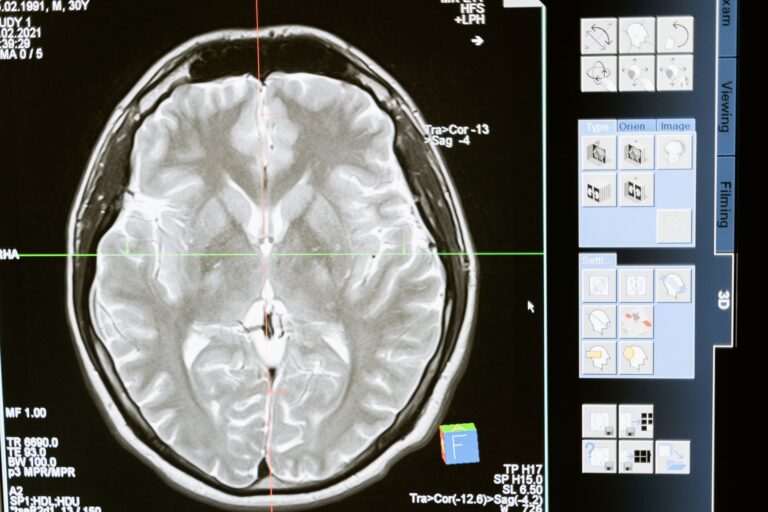
Cognitive reserve is essentially the brain‘s capacity to withstand damage and maintain function despite the presence of pathology. Think of it as creating a surplus of neural connections and processing efficiency—so that when some connections are damaged by disease, others can take over. When someone has high cognitive reserve, their brain can continue to function relatively normally even as amyloid plaques and tau tangles (the hallmarks of Alzheimer’s disease) accumulate. This isn’t about reversing the disease; it’s about the brain’s ability to work around it. The science underlying this comes from understanding how the brain adapts.
When you engage in cognitively demanding activities—learning a new language, mastering a musical instrument, solving complex problems—you’re not just temporarily exercising your brain. You’re strengthening neural circuits and building redundancy into your neural networks. Physical activity preserves the actual volume of brain tissue, while cognitive activity strengthens the functioning and plasticity of neural circuits. These two mechanisms work together and through complementary pathways. People with robust cognitive reserve can literally continue to think, remember, and function normally even when their brain scans show significant Alzheimer’s pathology that would cripple someone with lower reserve.

The Research Behind Cognitive Enrichment and Dementia Prevention
The numbers are striking. Recent research found that high cognitive enrichment is associated with a 36% lower risk of mild cognitive impairment (MCI), the early stage of cognitive decline that often precedes dementia. More impressively, people with higher lifetime cognitive enrichment experience approximately a 7-year delay in the onset of MCI and roughly a 5-year delay in the onset of Alzheimer’s disease itself. A comprehensive review of cognitive reserve research found that higher cognitive reserve decreased the overall risk of developing dementia by 46%. These aren’t marginal improvements—they represent years of preserved independence, memory, and quality of life. However, it’s important to understand what these statistics do and don’t tell us. The 38% reduction in Alzheimer’s risk and the 19% reduction in dementia incidence represent association, not guaranteed protection.
Someone with excellent cognitive reserve can still develop Alzheimer’s or other dementias. These are risk reductions, not immunities. Additionally, the studies establishing these links are primarily observational—they show that people who engage in cognitive activities have better outcomes, but they don’t definitively prove that the activities themselves caused the protection. There may be confounding factors; for example, people who engage in lifelong learning may also have better access to healthcare, higher socioeconomic status, or greater social engagement, all of which independently protect against cognitive decline. The NIH’s 2025 Alzheimer’s Disease and Related Dementias Research Progress Report highlighted one of the most promising interventions to emerge in recent years: the U.S. POINTER trial. This study demonstrated that structured interventions combining physical activity, improved nutrition, social engagement, and cardiovascular risk management measurably improve cognition in older adults who have risk factors for dementia. This comprehensive approach suggests that cognitive reserve building works best when combined with other lifestyle factors, not in isolation.
Specific Cognitive Activities That Build Reserve
Not all mental activity is created equal when it comes to building cognitive reserve. Passive activities like watching television, while enjoyable, don’t build reserve the way challenging, novel activities do. The most powerful reserve-building activities share certain characteristics: they require active engagement, they’re somewhat unfamiliar or challenging, and they ideally involve some element of learning or problem-solving. Reading books—particularly challenging material—consistently appears in research as protective. Writing, whether journaling or creative writing, engages multiple cognitive systems simultaneously. Learning languages activates the same neural networks involved in acquiring skills, forcing the brain to work in new ways.
Brain training video games designed specifically to improve visual processing speed and accuracy have shown particularly promising results in recent research. These aren’t the generic puzzle games on smartphones; they’re specifically designed interventions with demonstrated cognitive demands. Some studies suggest that the cognitive improvements from these games can offer protection against dementia spanning decades—a remarkable finding given that the interventions themselves last only weeks or months. The mechanism appears to involve training neural systems that typically decline with age, essentially teaching the brain to process information more efficiently before it has sustained significant damage. Real-world examples illustrate this principle clearly. A 70-year-old who has spent a lifetime reading philosophy and historical texts, engaging in book clubs, learning new languages in retirement, and taking courses through lifelong learning programs is building substantially more cognitive reserve than a peer who primarily watches television and engages in routine daily activities. This doesn’t mean the first person will never develop dementia, but the research suggests they’re likely to develop it later and experience less severe cognitive symptoms in its early stages.

Creating a Practical Cognitive Reserve Building Plan
Building cognitive reserve doesn’t require an advanced degree or expensive programs, though it does require intentional, sustained effort. The key is finding activities that are genuinely challenging for you—not just novel, but demanding. This is an important distinction. For someone who speaks three languages, learning a fourth may not build reserve the same way it would for someone who speaks only English. The activity must push you beyond your current cognitive baseline. A practical reserve-building program might include: dedicating 30 minutes daily to reading substantive material; learning a new skill or language, with structured practice; engaging in strategic games or puzzles that require planning and problem-solving; maintaining active social engagement, which itself demands cognitive processing; and combining these with physical activity and cardiovascular health management.
The U.S. POINTER trial found that the combination of these elements—not any single intervention—was most effective. This suggests that a well-rounded approach is superior to focusing exclusively on one type of cognitive activity. The tradeoff is clear: building cognitive reserve requires time and mental effort. It’s easier to default to passive activities than to consistently engage in challenging cognitive work. However, the research suggests that this investment pays dividends—potentially measured in years of preserved independence and memory function. Early engagement matters; starting cognitive reserve building in your 50s or 60s appears to offer protection, but the accumulation of a lifetime of cognitive engagement provides the greatest buffer.
Common Misconceptions and Important Limitations
One persistent misconception is that cognitive reserve building provides immunity against Alzheimer’s disease. It doesn’t. It delays onset and reduces severity, but individuals with high cognitive reserve absolutely can and do develop Alzheimer’s and other dementias. The protective effect is about resilience and compensation, not prevention in an absolute sense. Another misunderstanding involves the idea that any mental activity will build reserve. Rote, unchallenging mental activity—like doing the same crossword puzzle repeatedly—provides minimal protection compared to novel, demanding cognitive work. There are also important demographic and biological limitations to acknowledge.
While cognitive reserve building appears protective across different populations, research participants are often skewed toward higher-education, higher-income groups who already have access to learning opportunities and healthcare. It’s unclear whether the protective effects are identical across all socioeconomic and educational backgrounds. Additionally, genetic factors, especially the APOE4 gene variant, substantially influence Alzheimer’s risk. Someone with high genetic risk may not receive the same degree of protection from cognitive reserve building as someone with lower genetic risk, though the research suggests the reserve-building effect still holds, even if smaller. Vascular dementia, Lewy body dementia, and frontotemporal dementia are distinct diseases from Alzheimer’s, though cognitive reserve may offer some protection across types of dementia. However, the evidence is strongest for Alzheimer’s specifically. Someone who develops Lewy body dementia may find that cognitive reserve provides less protection than they would have received against Alzheimer’s, though research in this area remains limited.

Combining Cognitive Training with Other Protective Strategies
The most encouraging finding from recent research is that cognitive reserve building works synergistically with other dementia prevention strategies. Cardiovascular health, physical fitness, sleep quality, cognitive activity, and social engagement all contribute to dementia risk, and they appear to reinforce one another. Someone who walks daily for exercise, maintains strong social connections, sleeps well, and engages in lifelong learning is building protection through multiple pathways simultaneously. The Nature Communications study on brain activity and cognitive reserve showed that these cognitive and physical interventions strengthen neural function through complementary mechanisms.
Physical activity directly preserves brain tissue volume and improves blood flow. Cognitive activity strengthens neural circuit efficiency and plasticity. Together, they create a more robust, resilient brain. This is why comprehensive programs like the U.S. POINTER trial, which addressed physical activity, nutrition, social engagement, and cognitive health together, showed measurable improvements in cognitive function in people with dementia risk factors.
The Future of Dementia Prevention Through Cognitive Reserve
The trajectory of dementia research is shifting toward prevention and early intervention rather than treatment of advanced disease. The Alzheimer’s Association’s recent announcement about early detection represents recognition of an important fact: we currently cannot cure Alzheimer’s disease, but we have growing evidence for preventing or delaying it. Building cognitive reserve is part of this prevention arsenal, alongside cardiovascular health management, physical activity, and social engagement.
Looking forward, researchers are investigating whether targeted interventions—specifically designed cognitive training programs, strategic use of brain training games, and other evidence-based approaches—can be delivered at scale to populations at risk for cognitive decline. The challenge ahead is not primarily scientific; it’s about accessibility and implementation. How do we ensure that the benefits of cognitive reserve building are available not just to highly educated, affluent populations, but across all demographics? The research base is solid. The task now is making that research actionable for everyone.
Conclusion
Cognitive reserve building programs offer a scientifically validated approach to buffering against Alzheimer’s effects. The evidence shows that lifelong engagement in intellectually stimulating activities—reading, learning languages, solving complex problems, and sustained education—is associated with substantial reductions in dementia risk and significant delays in symptom onset when disease does develop. These effects don’t emerge overnight; they accumulate across decades. But the research consistently demonstrates that it’s never too late to begin building reserve, even cognitive activities started in late life offer measurable protection.
The path forward is clear for individuals concerned about dementia risk: engage your brain consistently with challenging, novel activities; maintain physical fitness; protect cardiovascular health; stay socially connected; and combine these approaches rather than relying on any single intervention. If you’re in middle or early older age, now is the ideal time to deepen your intellectual engagement. If you’re older and concerned about cognitive health, starting a cognitive reserve-building program remains worthwhile. The research tells us that cognitive reserve isn’t a guarantee against Alzheimer’s, but it’s one of the most powerful tools available to reduce risk, delay disease onset, and preserve independence and quality of life.
You Might Also Like
- Synaptic Biology Research Illuminates Alzheimer’s Memory Loss Mechanisms
- Public Health Communication Strategies Improve Alzheimer’s Understanding
- Metabolic Health Optimization Explored for Alzheimer’s Risk Reduction
For more, see CDC — Alzheimer’s and Dementia.