Reviewed by the Help Dementia Editorial Team — our editors review every article for accuracy against guidance from the National Institute on Aging, the Alzheimer’s Association, and peer-reviewed sources.
Small lifestyle sits at the center of this dementia and brain health question.
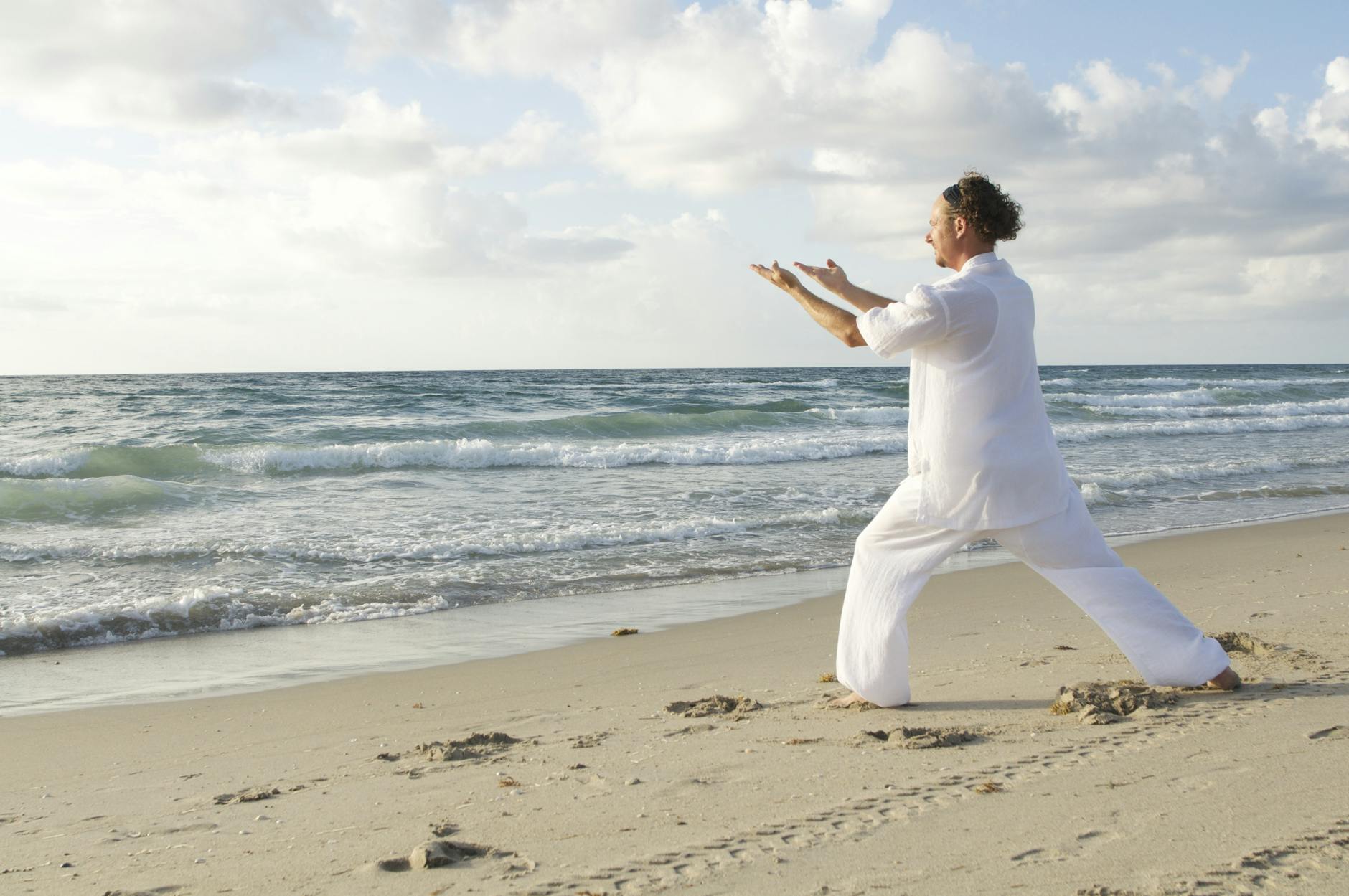
Recent research confirms that tai chi—a gentle, slow-moving practice rooted in Chinese martial arts—is genuinely linked to sharper cognitive function across all ages. In a groundbreaking study of older adults with self-reported memory decline, those who practiced a cognitively enhanced version of tai chi improved their cognitive test scores by approximately three points, an improvement equivalent to regaining six extra years of cognitive function. This isn’t marketing hyperbole.
Multiple peer-reviewed studies from 2024 and 2025 show measurable changes in brain structure and function, including increased brain volume and strengthened connections in regions critical for memory and thinking. What makes these findings particularly significant is that tai chi appears to work through a different mechanism than we typically expect. Unlike exercise that simply increases heart rate, tai chi seems to engage specific areas of the brain involved in cognitive control—particularly the prefrontal cortex—while simultaneously enhancing the hippocampus, the brain region essential for forming new memories. This dual action explains why studies consistently show improvements across multiple measures of cognitive function, from processing speed to delayed recall to executive function, regardless of whether someone is in their 60s or beyond.
Table of Contents
- How Does Tai Chi Actually Sharpen Cognitive Function?
- What the Latest Research Shows About Tai Chi and Cognitive Health
- Brain Changes You Can Actually Measure
- Starting a Tai Chi Practice for Cognitive Benefits
- Why Tai Chi May Work Better Than Other Forms of Exercise
- Is Tai Chi Accessible for Everyone?
- The Future of Tai Chi in Cognitive Care
- Conclusion
How Does Tai Chi Actually Sharpen Cognitive Function?
The mechanism is more sophisticated than “exercise is good for your brain.” A 2025 systematic review published in Frontiers in Physiology examined how tai chi affects cognitive function specifically in adults over 60 with mild cognitive impairment. The research found that tai chi regulates brain regions associated with cognitive control, with particularly notable enhancement of prefrontal cortex function—the area responsible for planning, decision-making, and working memory. Meanwhile, a complementary 2024 meta-analysis in Frontiers in Neuroscience identified that tai chi enhances hippocampal plasticity, the brain’s ability to form and strengthen neural connections in the memory center.
The slow, deliberate movements of tai chi appear to create a neurological puzzle that keeps your brain actively engaged. Unlike passive activities, tai chi requires your brain to coordinate precise movements, maintain balance, and focus attention simultaneously. This multi-tasking demand seems to trigger adaptive changes in the brain that extend beyond the practice itself. Improvements appear on standardized tests including the Montreal Cognitive Assessment (MoCA), Delayed Recall Test, Verbal Fluency Test, and Trail Making Test—objective measures that clinicians use to detect cognitive decline.
What the Latest Research Shows About Tai Chi and Cognitive Health
The 2022 study published in Scientific Reports provides particularly compelling visual evidence. Researchers assigned older adults to four groups over 40 weeks: one group learned tai chi, another walked regularly, a third participated in social interaction activities, and a fourth served as a control group with no intervention. When researchers scanned their brains using MRI, the tai chi group showed the greatest increase in brain volume compared to all other groups. Moreover, they performed better on cognitive tests than participants in the walking, social interaction, or control groups—suggesting tai chi’s benefits aren’t simply about activity level or social engagement.
However, it’s important to acknowledge the limitations of this research. Many studies are relatively small, and while they show consistent patterns, the effect sizes are typically small to moderate rather than dramatic. Some people will see more cognitive benefit than others, influenced by factors like genetic predisposition, baseline cognitive status, and how consistently they practice. Additionally, most research focuses on older adults; while early evidence suggests benefits across ages, the preponderance of data comes from people over 60.
Brain Changes You Can Actually Measure
The National Institute on Aging highlighted a study of approximately 300 older adults (average age in the mid-70s) who reported memory problems. The group that learned an enhanced cognitive version of tai chi—one that emphasized mental engagement alongside physical movements—showed improvements of about three points on cognitive tests. While three points might sound modest, the researchers noted this represented the cognitive equivalent of reversing six years of age-related cognitive decline.
For someone noticing increasing forgetfulness or slower thinking, this is meaningful. The enhancements appear measurable across multiple cognitive domains. Meta-analyses consistently show tai chi yields small to moderate benefits for executive function (planning and problem-solving), episodic memory (remembering specific events), visuospatial function (understanding how objects move in space), and global cognition (overall thinking ability). A 2026 network meta-analysis even found that combining acupuncture with tai chi produced the most significant improvements in Montreal Cognitive Assessment scores, suggesting additive effects when integrated with complementary practices.
Starting a Tai Chi Practice for Cognitive Benefits
One key finding from the research is that cognitive enhancement matters. Not all tai chi is created equal for brain health. The studies showing the most dramatic cognitive improvements used what researchers call “cognitively enhanced tai chi”—a version where instructors deliberately emphasize learning choreography, remembering sequences, and mentally engaging with the practice. This is different from tai chi primarily valued for relaxation or physical balance. If your goal is cognitive sharpness, you want a style that challenges your mind, not one performed on autopilot.
Starting is accessible to almost anyone, regardless of physical condition. Tai chi is performed slowly, requires no equipment, and can be modified for people with limited mobility, arthritis, or balance problems. Many community centers, senior centers, and healthcare systems now offer tai chi classes, some specifically designed for cognitive health. The typical time commitment needed to see benefits appears to be consistent practice—though the studies don’t establish a precise minimum, regular participation seems more important than any single session. You’re building new neural pathways, which requires repetition over time.
Why Tai Chi May Work Better Than Other Forms of Exercise
The comparison to walking and social interaction is instructive. In the 40-week Scientific Reports study, all activities offered some benefit—but tai chi produced the most cognitive improvement and the largest increase in brain volume. Walking is excellent for cardiovascular health and overall wellness, but it doesn’t engage the brain the same way. Social interaction provides cognitive stimulation, but tai chi combines cognitive engagement with physical movement in a unique way. The slow, precise nature of the practice forces continuous attention to body position, balance, and sequencing in a manner that something like brisk walking doesn’t demand.
This doesn’t mean other activities are useless. The research suggests tai chi may be particularly potent, but cognitive benefits come from multiple sources—physical exercise, social engagement, learning new skills, and mental challenges all contribute. The advantage of tai chi is that it delivers multiple benefits simultaneously. One limitation, though, is that not everyone finds tai chi enjoyable or culturally comfortable. Some people achieve similar cognitive benefits through other cognitively demanding activities like dance, martial arts, or learning musical instruments. The best cognitive intervention is the one you’ll actually do consistently.

Is Tai Chi Accessible for Everyone?
One of tai chi’s greatest strengths for people concerned about cognitive health is its accessibility. Unlike high-impact aerobic exercise or activities requiring significant strength, tai chi accommodates various physical abilities. Someone recovering from illness, managing arthritis, or dealing with balance problems can still participate meaningfully. Modifications allow people to practice while seated or while holding a chair for balance.
This matters because cognitive decline often accompanies physical limitations in older age, making activities that don’t require peak physical condition particularly valuable. Finding the right class remains important. Look for instructors trained in working with older adults or people with cognitive concerns, and prioritize programs that emphasize the mental engagement aspect. Some classes available through hospitals, senior centers, or organizations focused on dementia prevention specifically market themselves as cognitive wellness programs rather than purely physical practice. This usually means the instructor deliberately incorporates memory challenges, learning new sequences, and mental focus into the practice.
The Future of Tai Chi in Cognitive Care
The research trajectory suggests increasing integration of tai chi into cognitive health programs. Healthcare systems are beginning to offer tai chi specifically for people with mild cognitive impairment or those seeking to maintain cognitive sharpness as they age. The consistency of findings across multiple studies—showing benefits for brain volume, prefrontal cortex function, hippocampal plasticity, and measurable improvements on standardized cognitive tests—suggests this isn’t a trend likely to fade as researchers document more evidence.
What remains important is viewing tai chi as part of a comprehensive approach rather than a standalone solution. Cognitive health depends on multiple factors: sleep quality, cardiovascular health, social connection, learning, stress management, and physical activity all matter. Tai chi contributes meaningfully to several of these areas simultaneously, which may explain why the research consistently shows benefits. For someone concerned about maintaining or sharpening cognitive function, starting a regular tai chi practice is one of the most evidence-supported lifestyle changes available.
Conclusion
The research is clear: tai chi offers measurable cognitive benefits across all ages, with some studies showing improvements equivalent to regaining years of cognitive function. The practice appears to work through specific neurological mechanisms, enhancing brain regions critical for memory and thinking while increasing overall brain volume. These aren’t speculative benefits or minor improvements—they’re documented through objective brain imaging and standardized cognitive tests used in clinical practice.
If you’re interested in trying tai chi for cognitive health, start by finding a class that emphasizes cognitive engagement alongside physical movements. Consistency matters more than intensity or duration. Because cognitive benefits emerge from engagement and learning, approaching tai chi as something to master rather than simply perform will likely serve you better. Combined with other elements of a cognitive wellness plan—staying socially engaged, managing stress, getting quality sleep, and staying physically active—tai chi represents one of the most accessible and evidence-supported lifestyle changes available for supporting brain health at any age.
You Might Also Like
- Small Lifestyle Change: yoga Linked to Sharper Brain at Any Age
- Small Lifestyle Change: walking 30 minutes daily Linked to Sharper Brain at Any Age
- Small Lifestyle Change: aerobic exercise Linked to Sharper Brain at Any Age
For more, see Alzheimer’s Association — clinical trials.