Reviewed by the Help Dementia Editorial Team — our editors review every article for accuracy against guidance from the National Institute on Aging, the Alzheimer’s Association, and peer-reviewed sources.
Aerobic exercise is one of the most effective interventions we have for keeping your brain young. Recent research from 2026 shows that for every meaningful increase in cardio fitness, your brain appears nearly two years younger on average—measured by actual changes visible on MRI scans. This isn’t theoretical. A 55-year-old who takes up running or swimming and maintains it for a year can expect their brain to look almost a year younger on these same scans compared to someone who made no lifestyle changes.
The effect works across all ages, from people in their twenties to those in their sixties. This brain-rejuvenating effect happens because aerobic exercise directly changes how your brain develops and functions. It increases gray matter volume in regions critical for memory and decision-making, strengthens the neural connections that allow different brain areas to communicate, and sharpens executive functions like reasoning, planning, and problem-solving. The news gets better: you don’t have to wait years to see benefits. Clear cognitive gains appear within just one to three months of starting aerobic exercise.
Table of Contents
- How Does Aerobic Exercise Make Your Brain Look Younger?
- What Structural Changes Happen in Your Brain?
- Why Does Aerobic Exercise Sharpen Your Thinking?
- Building a Sustainable Aerobic Exercise Habit
- Understanding the Timeline and Managing Expectations
- Special Considerations for Aging Brains and Dementia Prevention
- The Future of Exercise as Brain Medicine
- Conclusion
How Does Aerobic Exercise Make Your Brain Look Younger?
When researchers use MRI scans to measure brain aging, they’re looking at specific structures and how they change over time. Aerobic exercise influences these changes in measurable ways. A 2026 study found that cardio fitness correlates directly with apparent brain age—the fitter someone became, the younger their brain appeared on imaging. The relationship held across adults from age 20 to 67, meaning this isn’t a benefit that only kicks in at retirement. A 30-year-old who increases their aerobic fitness sees the same brain-aging effects as a 60-year-old, just in different baseline contexts. The mechanism is straightforward: aerobic exercise increases blood flow to the brain, delivers more oxygen to neural tissue, and triggers the release of growth factors that support the creation of new neurons and stronger neural connections.
One year of consistent aerobic exercise appears to turn back the clock on your brain by approximately one year compared to sedentary aging. For someone worried about cognitive decline, this represents a genuine, measurable intervention with real biological effects. The research is consistent across different populations and exercise types. Walking briskly, jogging, cycling, swimming—any aerobic activity that gets your heart rate up works. The key is consistency and intensity. A leisurely stroll has some benefit, but the studies showing the most dramatic brain-aging reversal involved sustained aerobic effort.

What Structural Changes Happen in Your Brain?
aerobic exercise doesn’t just slow brain aging—it actively reshapes brain tissue. Studies show that regular cardio increases gray matter volume in the cerebellum (involved in coordination and timing) and the temporal lobe (crucial for memory and learning). At the same time, it strengthens white matter connections between the frontal lobe (reasoning and planning) and motor areas (movement control). These aren’t small changes. On an MRI, you can actually see the difference between an active brain and a sedentary one. The timing of these changes matters.
A 2025 systematic review found that most people see cognitive improvements within one to three months of starting aerobic exercise—faster than the brain structure changes fully develop, which suggests that both immediate neurochemical effects and longer-term structural remodeling contribute to better thinking. Your brain doesn’t wait a year to feel the benefit. One limitation worth understanding: these benefits plateau if you stop exercising. The brain doesn’t permanently retain the aging reversal from a year of fitness if you return to sedentary life. The changes are real and measurable, but they’re also dependent on maintaining the habit. This isn’t a flaw in exercise as an intervention—it’s simply how biology works. Your brain responds to what you actually do, not what you did in the past.
Why Does Aerobic Exercise Sharpen Your Thinking?
Aerobic exercise has an outsized effect on executive function—the mental skills that govern reasoning, planning, and problem-solving. A study from Columbia University found that aerobic exercise improves cognition even in young adults, not just older people facing decline. College-aged students who increased their aerobic fitness showed measurable improvements in tasks requiring sustained attention and mental flexibility. This suggests the benefit isn’t just about preventing loss; it’s about enhancing normal cognitive function at any stage of life. The 2025 research comparing different types of exercise found that aerobic activities have the greatest cognitive impact compared to other exercise forms.
This is important because not all exercise affects the brain equally. Weight training has general health benefits, but aerobic exercise—activities that elevate and sustain your heart rate—delivers the most direct boost to thinking speed, attention, and decision-making. For someone specifically concerned about cognitive function and brain health, aerobic exercise is the most evidence-backed choice. Think of it practically: a 50-year-old who starts a consistent jogging routine won’t just have better cardiovascular fitness. They’ll notice faster thinking during work meetings, better focus when reading or learning something new, and improved ability to juggle multiple mental tasks. These subjective improvements often appear within weeks, even before the structural brain changes are complete.

Building a Sustainable Aerobic Exercise Habit
Starting aerobic exercise doesn’t require joining a gym or running marathons. Walking at a brisk pace (3 to 4 miles per hour), cycling on flat terrain, swimming, or dancing all qualify. The research shows that consistency matters more than intensity for cognitive benefits, though some intensity helps. A sustainable plan might look like 150 minutes of moderate aerobic activity per week—about 30 minutes, five days a week. Some people find this easier to maintain by doing shorter sessions: three 10-minute walks, multiple 15-minute bike rides, a mix of activities throughout the week. The tradeoff between intensity and sustainability is important to acknowledge. Someone might see faster brain benefits from high-intensity interval training, but they’re also more likely to quit because it’s harder to maintain.
A 60-year-old who walks for 45 minutes four times a week will see more sustained cognitive benefit than someone who tries intense workouts twice and then stops. Building the habit matters more than hitting any specific intensity threshold. Starting is often the hardest part. Pick something you can actually enjoy or at least tolerate. The person who hates running shouldn’t force themselves to run; they should find a form of aerobic activity that fits their life and their preferences. Someone with arthritis might find water aerobics more comfortable than jogging. Someone without gym access can walk or use free online fitness videos. The point is to find something sustainable enough that you’re still doing it in six months and a year, when the real cognitive benefits compound.
Understanding the Timeline and Managing Expectations
The speed of cognitive changes from aerobic exercise often surprises people. You might feel sharper and more focused within two to three weeks, as neurotransmitter changes take effect. By month two or three, objective cognitive tests show measurable improvements in attention and processing speed. The structural brain changes—the ones visible on MRI, the ones that make your brain look younger—develop over months and continue improving for years with consistent exercise. This timeline creates an important distinction: the feeling of improvement comes quickly, but the full biological benefit takes time.
Someone might feel like their thinking is clearer after a month of regular exercise, which is real and worth celebrating, but the maximum brain structure changes and maximum brain-age reversal appear after consistent exercise for six months to two years. This matters because people sometimes overestimate how much effect is coming from exercise alone versus from other factors (better sleep, reduced stress, improved mood, which often improve alongside an exercise routine). One realistic warning: if you’re already experiencing cognitive decline from Alzheimer’s disease or advanced dementia, aerobic exercise is an excellent supportive intervention for remaining function and quality of life, but it’s not a cure. The research showing brain age reversal involves people with normal aging and normal cognition. For established dementia, exercise’s role is more about slowing decline, supporting mood, and maintaining physical function. Starting exercise early—before cognitive problems develop—appears to be more protective than trying to reverse existing damage.
Special Considerations for Aging Brains and Dementia Prevention
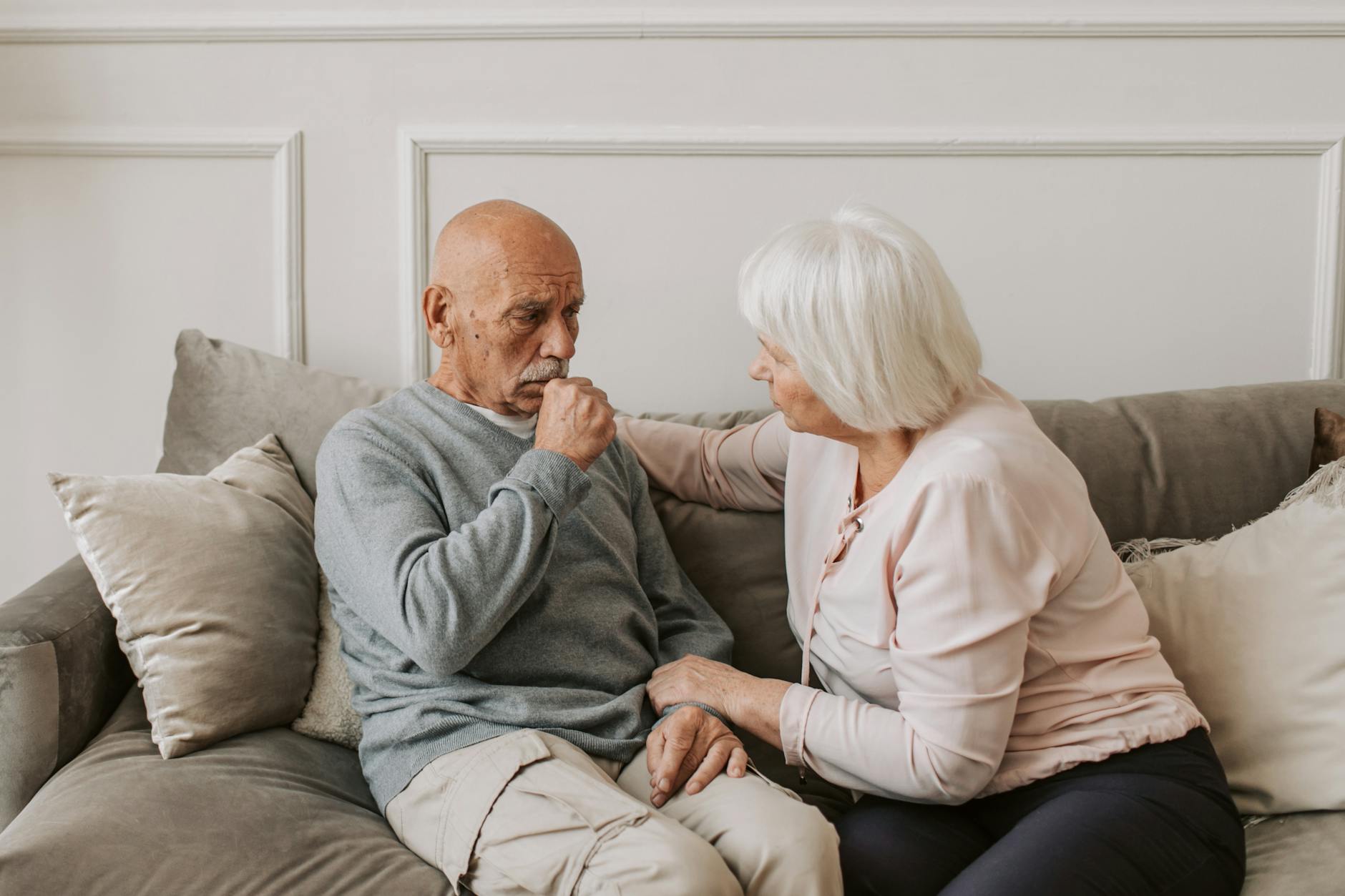
For older adults specifically, the cognitive benefits of aerobic exercise are even more pronounced because age-related cognitive decline is something they’re actively working to prevent. The research across ages 20 to 67 shows benefits throughout the lifespan, but the relative impact feels larger at 65 than at 25 because the alternative—cognitive decline—becomes increasingly relevant. Starting aerobic exercise at age 70 or 75 remains effective for brain health, though it requires more caution and likely more gradual progression than starting at 40.
A 72-year-old new to exercise might start with 10-minute walks and gradually build up, while someone younger might start with 30 minutes. The brain benefits still appear, the cognitive improvements still happen, but the rate of progression and the risk profile change. This makes working with a doctor or physical therapist valuable for older adults starting a new exercise program.
The Future of Exercise as Brain Medicine
As neuroscience continues mapping exactly how exercise changes the brain, the evidence points toward aerobic fitness as a foundational intervention in brain health—as important as sleep or nutrition, and increasingly recognized as such in medical practice. Neurologists studying cognitive decline and dementia are moving toward recommending aerobic exercise as part of standard care, not just as a nice-to-have lifestyle factor.
The practical implication is clear: if you’re concerned about keeping your mind sharp, whether you’re 35 or 75, aerobic exercise isn’t something to get around to eventually. It’s a primary tool with direct, measurable effects on how your brain ages. The research from 2025 and 2026 makes this case more convincingly than ever.
Conclusion
Aerobic exercise appears nearly two years younger with every meaningful increase in cardiovascular fitness, with visible changes on brain imaging and measurable improvements in thinking speed, planning ability, and focus. You don’t need to be an athlete or spend hours exercising. Thirty minutes of brisk walking, cycling, swimming, or similar activity most days of the week delivers real changes visible on MRI scans and felt in your daily thinking within weeks to months.
The fact that this is achievable matters. Unlike genetic risk factors for dementia, which you can’t change, or expensive medical interventions, which may not exist yet, aerobic exercise is something you can start tomorrow. The brain benefits are real, they’re measurable, and they’re accessible to anyone, at any age, regardless of fitness level at the start. This is one of the most direct and evidence-backed interventions available for keeping your brain young.