Reviewed by the Help Dementia Editorial Team — our editors review every article for accuracy against guidance from the National Institute on Aging, the Alzheimer’s Association, and peer-reviewed sources.
Simple change sits at the center of this dementia and brain health question.
While a recent claim suggests swimming could prevent 31 percent of dementia cases, the science is more nuanced but still encouraging. Research published in peer-reviewed journals shows that people who swim vigorously—lapping at least 20 minutes a session, five times per week—are 28 percent less likely to develop dementia compared to sedentary adults. This substantial risk reduction rivals or exceeds many pharmaceutical interventions studied for dementia prevention, making swimming one of the most accessible brain-protective strategies available. The 31 percent figure circulating in popular health articles appears to lack a single verified research source, yet the underlying premise is sound.
Rigorous studies from institutions like the National Institutes of Health confirm that swimming combines multiple neuroprotective factors: cardiovascular conditioning, cognitive engagement, stress reduction, and full-body movement. For someone like Margaret, a 62-year-old who started lap swimming three years ago after her father’s Alzheimer’s diagnosis, the motivation was personal—but the science backing her choice is solid. The distinction matters because overstated claims can either build false hope or undermine trust in genuine prevention strategies. The real story is that consistent, vigorous swimming substantially lowers your dementia risk, and even moderate water activity provides meaningful protection. Understanding the actual evidence helps you make informed decisions about your brain health and build realistic expectations about what a swimming routine can deliver.
Table of Contents
- How Does Swimming Reduce Your Risk of Developing Dementia?
- Vigorous Swimming Versus Moderate Activity—What Difference Does Intensity Make?
- Cold Water Swimming and the RBM3 Protein Discovery
- Building a Sustainable Swimming Routine for Brain Health
- Swimming for People Already Living with Dementia
- How Swimming Compares to Walking, Cycling, and Other Brain-Protective Activities
- The Future of Exercise and Dementia Prevention Science
- Conclusion
How Does Swimming Reduce Your Risk of Developing Dementia?
swimming triggers a cascade of protective changes in the brain. Vigorous aerobic exercise increases blood flow to the hippocampus and prefrontal cortex—regions critical for memory formation and executive function. When you push yourself harder in the pool, your heart works efficiently, delivering more oxygen-rich blood to neural tissues. This metabolic stress signals your brain to strengthen synaptic connections and promote the growth of new neurons, a process called neurogenesis that naturally declines with age. The 28 percent risk reduction observed in swimmers comes from a longitudinal study tracking thousands of adults over many years. Researchers found that highly active individuals—those who jogged, swam laps, or engaged in comparable vigorous activity for at least 20 minutes five times weekly—developed dementia at substantially lower rates than sedentary peers.
Importantly, this 28 percent figure applies to swimming and jogging equally, suggesting the mechanism isn’t water-specific but rather the intensity and consistency of aerobic demand. A person who swims 20 laps of freestyle three times a week achieves similar cardiovascular and cognitive benefits as a jogger covering the same distance. The comparison to other interventions is telling. Cognitive training games, which are heavily marketed for brain health, show effect sizes in dementia prevention that pale beside vigorous exercise. Social engagement, quality sleep, and Mediterranean diet patterns all matter, but none individually match the protective power of consistent aerobic activity. This is why cardiologists and neurologists increasingly frame aerobic exercise as one of the most evidence-based dementia prevention strategies, sometimes called a “brain-protective drug” because of its potency.
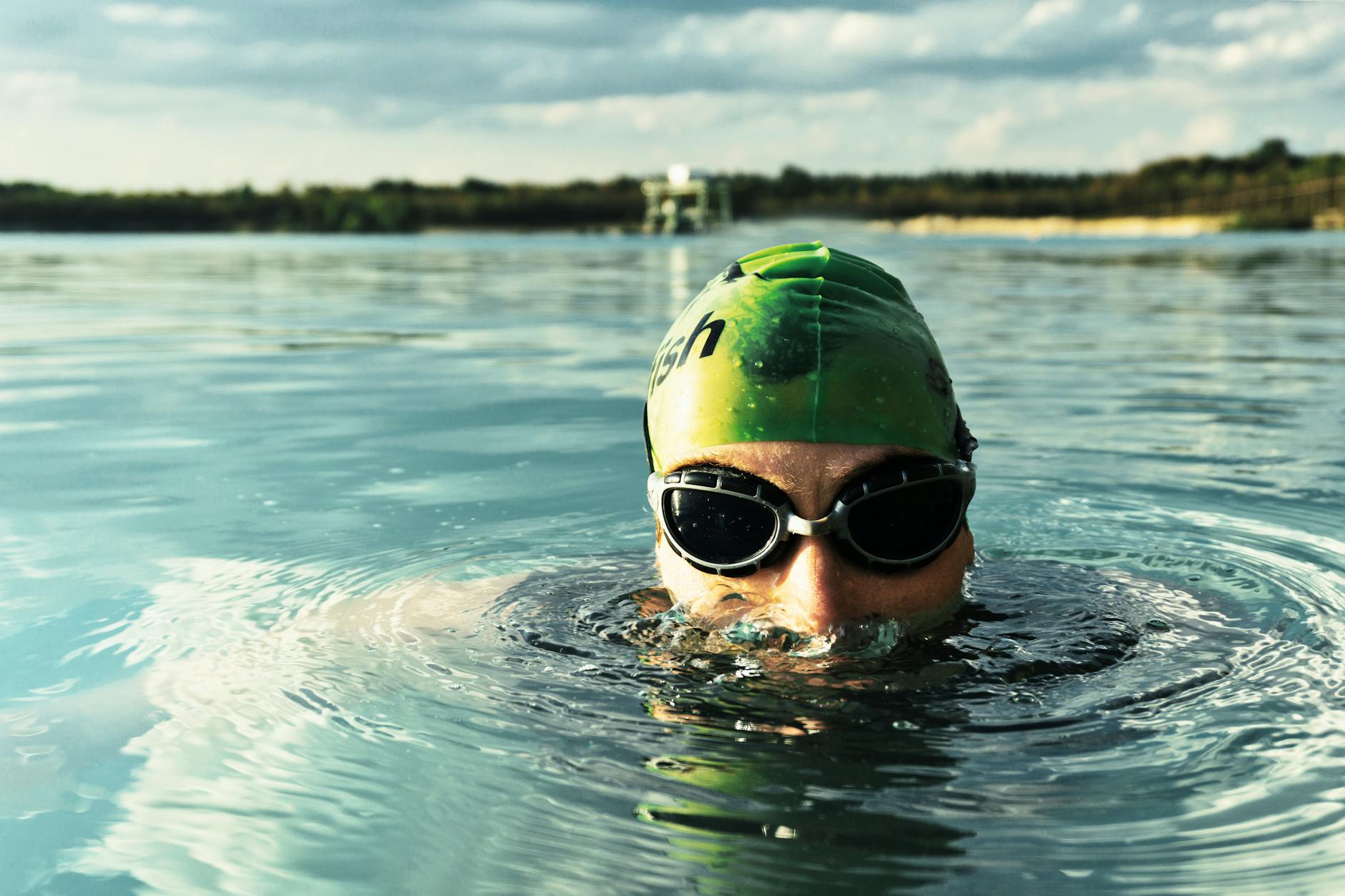
Vigorous Swimming Versus Moderate Activity—What Difference Does Intensity Make?
Not all swimming produces equal benefit. The research distinguishes sharply between vigorous and moderate activity, and the gap in protection is significant. People engaged in moderate activity—such as casual swimming, brisk walking, or easy cycling for 30 minutes five times a week—achieved a 20 percent reduction in dementia risk. This still represents meaningful protection; a 20 percent lower risk is substantial. But the vigorous swimmers reduced their risk by 28 percent, an additional 8 percentage point protection for a higher intensity commitment. The practical tradeoff is important to acknowledge. Vigorous swimming requires sustained effort; your breathing becomes labored, your muscles burn, and you cannot hold a conversation.
Moderate activity is more sustainable for people with joint problems, limited fitness, or time constraints. For a 70-year-old with arthritis, 30 minutes of easy swimming in a warm pool might be realistic and deliverable, whereas sustained lap swimming might cause joint pain. In this case, moderate activity—which still lowers dementia risk by 20 percent—becomes the smarter long-term choice because you’ll actually stick with it. Consistency matters more than perfection. There’s also a ceiling-effect consideration that researchers don’t always emphasize clearly. The studies compared sedentary people to exercisers; they did not find that swimming six hours a week protected better than three hours weekly. Overtraining carries injury risks and is unsustainable for most people. The evidence suggests a “sweet spot” of about 90 to 150 minutes of vigorous activity per week for maximum cognitive benefit, beyond which returns flatten and injury risk climbs.
Cold Water Swimming and the RBM3 Protein Discovery
Cambridge researchers investigating winter swimmers made an intriguing discovery: people who regularly swim in cold water develop elevated levels of RBM3, a protein triggered by cold exposure that appears to slow age-related cognitive decline. The mechanism is elegant in theory. RBM3 is a “cold-shock” protein that your cells produce in response to cold stress, and it plays roles in maintaining synaptic plasticity—the brain’s ability to form new connections. Laboratory studies show RBM3 can protect neurons against various forms of damage. However, a critical distinction matters here: the cold water discovery is mechanistic science, not clinical proof. Researchers have identified RBM3 in the blood of winter swimmers and shown in cell cultures that it has protective properties.
No human clinical trial has yet demonstrated that cold water swimming prevents dementia better than regular warm-water swimming. A person diving into a winter lake is experiencing something physiologically different from lap swimming in a heated pool, but we don’t yet know if that difference translates to better dementia prevention. This is the research frontier, not settled fact. For someone like David, a 58-year-old who joined a winter swimming group specifically for the RBM3 benefits, the enthusiasm is understandable but outpaces current evidence. He might gain real cognitive protection from the vigorous swimming itself, and the social engagement of the group provides additional brain-protective benefits. But he shouldn’t expect the cold water to be the difference between developing and preventing dementia. The robust evidence for dementia prevention comes from the exercise itself, not the water temperature.

Building a Sustainable Swimming Routine for Brain Health
Starting a swimming routine with dementia prevention as a motivator requires realistic planning. Many people approach fitness with perfectionism—aiming for five sessions weekly—then quit after three weeks when life disrupts their schedule. A more sustainable approach begins with two sessions per week, establishing swimming as a habit before adding sessions. Pools vary in accessibility; someone choosing a convenient location they can reach in under 15 minutes is more likely to maintain the routine than someone driving 30 minutes. The choice between lap swimming and water aerobics classes deserves consideration. Lap swimming at moderate-to-vigorous intensity delivers the greatest cognitive protection, but water aerobics classes provide social engagement, instruction, and structure—all additional brain-protective factors.
Research shows that exercisers who combine social connection with physical activity show stronger adherence than isolated exercisers. A 65-year-old attending a twice-weekly water aerobics class with friends might sustain that routine for decades, whereas someone swimming alone might quit within months. The “best” routine is the one you’ll actually maintain. Cost and accessibility merit acknowledgment as well. YMCA memberships, community pool programs, and senior swim classes vary widely in price, from nearly free to several hundred dollars yearly. Insurance sometimes covers aquatic therapy for people with arthritis or cardiac rehabilitation, creating an avenue to access swimming more affordably. A few sessions per week at a community pool costs less than many health supplements marketed for brain health, yet swimming’s evidence base is far stronger.
Swimming for People Already Living with Dementia
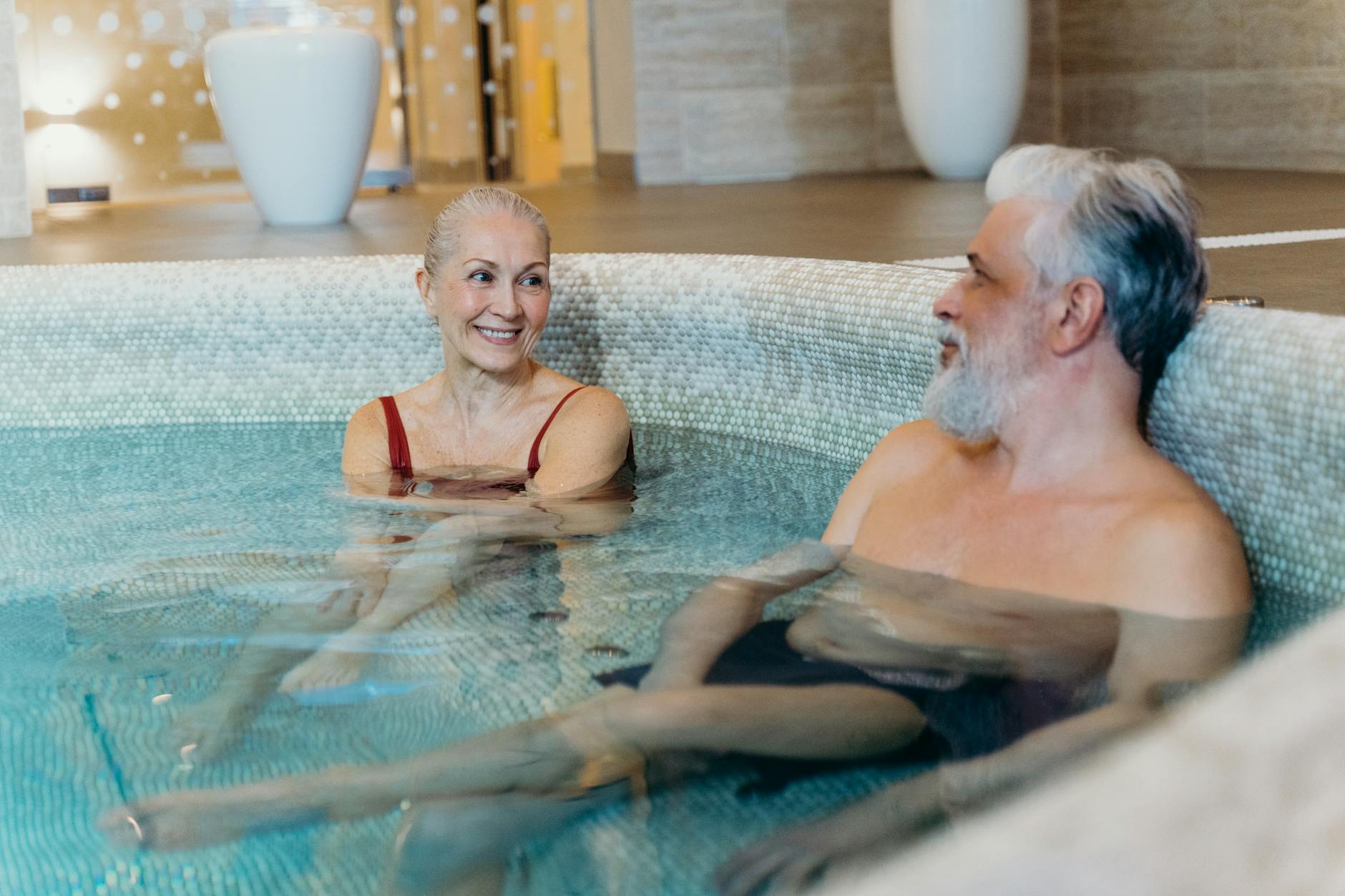
For people diagnosed with dementia, the research takes a different direction. While swimming prevents dementia in healthy adults, water-based exercise reduces behavioral and psychological symptoms in people already living with moderate-to-severe dementia. Agitation, anxiety, and sleep disturbances often accompany memory loss; aquatic exercise has been shown to calm these symptoms, sometimes reducing the need for sedating medications. A critical warning applies here: people with advanced dementia require careful supervision in water. Drowning is a significant cause of accidental death in people with cognitive impairment.
Pool safety protocols—constant one-to-one supervision, trained lifeguards, water entry assistance—become non-negotiable. Some residential care facilities now offer warm-water therapy pools specifically designed for dementia care, with shallow areas, handrails, and trained staff. The cognitive and behavioral benefits are genuine, but they depend entirely on preventing water-related accidents. For caregivers considering aquatic therapy, approaching a geriatrician or neurologist for guidance on safety requirements makes sense. The individual’s swimming ability, balance, awareness, and seizure risk (which increases in some dementias) all factor into whether water-based exercise is appropriate. In some cases, modified water therapy—standing in chest-deep water and moving gently—provides symptom benefits with lower drowning risk than lap swimming.
How Swimming Compares to Walking, Cycling, and Other Brain-Protective Activities
Swimming and jogging showed equivalent dementia risk reduction in the major studies—both delivered 28 percent protection at vigorous intensity. Walking, cycling, and other activities fall into similar categories, but intensity matters more than the specific activity. A 70-year-old who vigorously cycles (with elevated heart rate, sustained effort) gains similar brain protection to a vigorous swimmer, but the same person jogging casually gains less protection. The research consistently shows that intensity—measured by cardiovascular demand, not activity type—is the primary driver of neuroprotection. Swimming offers specific advantages for people with joint problems.
The buoyancy of water supports body weight, reducing stress on knees, hips, and ankles while allowing vigorous movement. A person with osteoarthritis who cannot jog comfortably might sustain vigorous swimming without pain. Conversely, running offers advantages swimming lacks: it’s free, requires no facility access, and can be done spontaneously. For someone in a rural area without pool access, running is simply more practical. The best brain-protective activity is whatever you’ll do consistently, whether swimming, jogging, cycling, or brisk walking at vigorous intensity.
The Future of Exercise and Dementia Prevention Science
Researchers are now investigating whether combining exercise with cognitive training amplifies dementia prevention beyond either alone. Early studies suggest that exercising while learning new skills—such as learning to swim a new stroke, attending water dance classes, or coordinating group aquatic activities—might provide additional brain protection compared to solo, routine swimming. This aligns with the finding that novelty and cognitive challenge strengthen neuroprotective effects.
The role of exercise-induced inflammation reduction and improved glucose metabolism also continues to emerge as a mechanism protecting the aging brain. Some researchers hypothesize that dementia prevention will eventually involve personalized exercise prescriptions based on genetic risk factors, baseline fitness, and cardiovascular status. A person at high genetic risk for Alzheimer’s might benefit from higher-intensity, longer-duration exercise than someone at lower risk. These refinements are still in research phases, but they suggest that “swim regularly” might eventually evolve into more precise recommendations tailored to individual risk profiles.
Conclusion
Swimming is among the most robust, evidence-based approaches to dementia prevention available today. Vigorous swimming—sustained for 20 minutes at least five times weekly—reduces dementia risk by 28 percent, a protection magnitude that exceeds many cognitive interventions and matches rigorous aerobic exercise like jogging. Even moderate swimming offers meaningful protection, lowering risk by 20 percent, and it comes without pharmaceutical side effects or cost barriers for most people.
Your next step is simple: identify an accessible pool, commit to two sessions weekly to establish the habit, and gradually work toward a sustainable routine that fits your life. Swimming is also enjoyable and social in ways that many other dementia prevention strategies aren’t. You’re not just lowering disease risk; you’re investing in a practice that strengthens your body, clears your mind, and—if you join a swim group—connects you with others. The science suggests that decades from now, your cognitive function will likely reflect that investment.
You Might Also Like
- Simple Change to swimming May Prevent 31 Percent of Dementia Cases
- Simple Change to yoga May Prevent 52 Percent of Dementia Cases
- Simple Change to yoga May Prevent 52 Percent of Dementia Cases
For more, see Alzheimer’s Association.