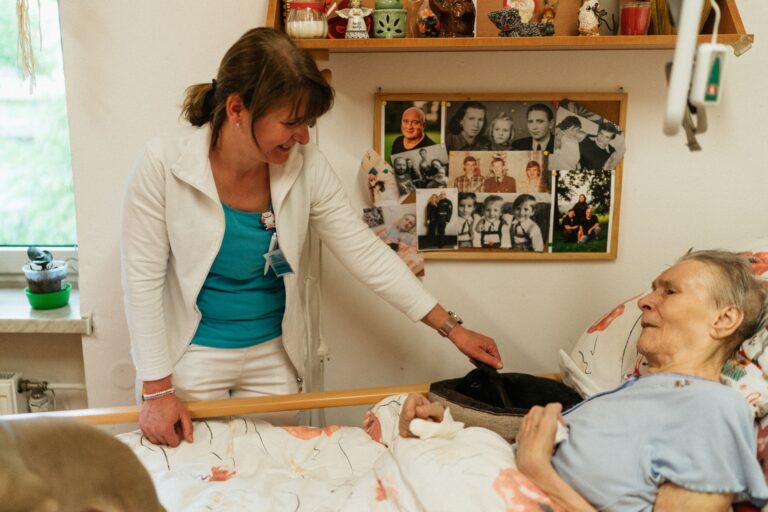
Signs that a person with dementia is entering the final months often include significant changes in physical function, reduced ability to communicate, and altered eating patterns. These changes rarely happen in isolation; instead, they typically cluster together, creating a recognizable shift that marks a transition to end-stage dementia. An adult child might notice their parent, previously able to walk with assistance, now confined to a bed or chair, combined with difficulty swallowing and minimal verbal communication—a constellation of changes that, taken together, suggests the trajectory is accelerating.
The challenge for family members and caregivers is distinguishing between normal disease progression and the specific signs that indicate the final stage of life may be approaching. Dementia rarely follows a predictable timeline, and some people experience a slow gradual decline while others seem to have a more pronounced final phase. Recognizing these signs doesn’t mean someone will die within weeks or even months—dementia’s unpredictability is part of its difficulty—but it does signal that priorities may shift from managing the disease to ensuring comfort and quality of remaining time.
Medical information disclaimer: This article is for general educational purposes only and does not provide medical advice, diagnosis, or treatment. Always consult a physician or other qualified health professional about symptoms, medications, tests, or treatment decisions.
Table of Contents
- What Physical Changes Indicate Late-Stage Dementia?
- How Does Communication and Cognitive Function Change in the Final Stage?
- What Eating and Swallowing Difficulties Emerge?
- How Should Families Approach Pain and Comfort Management?
- What Respiratory and Sleep Pattern Changes Occur?
- How Does Behavioral and Emotional Change Present?
- What Changes Suggest the Actively Dying Phase Is Approaching?
What Physical Changes Indicate Late-Stage Dementia?
The body’s gradual shutdown is one of the most visible indicators of advanced dementia. People in the final months often lose the ability to walk, stand, or sit upright without significant support, moving from independence to requiring total assistance with all activities of daily living. Muscle weakness becomes profound, and reflexes may diminish. Some individuals develop contractures—permanent tightening of muscles and joints—which can cause pain and requires specific positioning and care to manage.
Incontinence, which may have appeared earlier in the disease, becomes complete during this phase. The person loses all ability to control bladder or bowel function, and caregiving demands shift to managing this aspect of care around the clock. Additionally, changes in skin can signal deterioration: a person may develop pressure wounds (bed sores) more easily, or their skin may become mottled or pale. These physical changes are not signs of poor care but rather reflect how profoundly the brain’s control over bodily functions has been compromised. For example, a woman who prided herself on independence now cannot move from a chair without two people assisting, cannot manage any aspect of personal hygiene, and requires briefs for incontinence—a profound shift that family members often find emotionally wrenching.
How Does Communication and Cognitive Function Change in the Final Stage?
In the last months of dementia, meaningful verbal communication often becomes impossible or severely limited. A person may lose the ability to form words, understand language, or respond meaningfully to questions, though some individuals retain the capacity to make sounds or react emotionally to tone of voice or touch. What remains is often nonverbal: a squeeze of the hand, a reaction to music, facial expressions that suggest comfort or distress. The cognitive decline at this stage is absolute.
There is no remaining executive function, no ability to remember facts or recognize family members consistently, and no capacity to make decisions. Unlike earlier stages where someone might have “good days” and “bad days,” the late stage represents a consistent baseline of profound cognitive loss. A notable limitation here is that caregivers cannot know exactly what the person experiences internally—whether they are aware or present in some way we cannot access, or whether consciousness itself has narrowed dramatically. Some families report moments that suggest awareness or recognition, while others observe what appears to be complete unconsciousness. Communication becomes less about exchanging information and more about providing comfort through presence and touch.
What Eating and Swallowing Difficulties Emerge?
Difficulty eating and swallowing, called dysphagia, is one of the most significant markers of advanced dementia. The person may lose interest in food entirely, forget to chew, or have difficulty moving food to the back of the mouth and swallowing it safely. Choking becomes a real risk, and some people aspirate food into the lungs, which can lead to aspiration pneumonia—a common cause of death in late-stage dementia. Many families face a critical decision about feeding tubes during this phase.
Some healthcare systems recommend a feeding tube (PEG tube) to ensure nutritional intake, while others, particularly palliative care specialists, question whether this intervention extends life meaningfully or instead prolongs dying. This is genuinely uncertain terrain; research shows mixed results, and the choice between oral feeding with risk of aspiration and tube feeding with its own complications has no universally “right” answer. A person may eat only small amounts, refuse meals, or show no interest in nutrition—not from depression or choice, but because the brain’s hunger and swallowing centers are failing. Supporting someone through this loss often means offering small amounts of favorite foods without pressure, rather than worrying about adequate calorie intake.
How Should Families Approach Pain and Comfort Management?
Pain becomes difficult to assess when someone cannot communicate verbally. Caregivers must watch for behavioral cues—grimacing, restlessness, guarding of limbs, agitation—that might indicate discomfort. Some pain goes undetected because the person cannot report it, making proactive management essential. A hospice or palliative care team can help families recognize subtle signs and develop a comfort-focused care plan that prioritizes relief over aggressive treatment.
The tradeoff in pain management at this stage is between medications that relieve suffering and those that might cause sedation or other side effects. In late-stage dementia, this balance often tips firmly toward comfort; stronger pain medications and sedatives are appropriate if they reduce suffering, even if they hasten the dying process. This represents a fundamental shift from treating the disease to easing the end of life. For example, a person with significant muscle contractures might receive stronger pain medication and muscle relaxants not to extend life, but because their contracted limbs cause ongoing discomfort. Families often find comfort in knowing that prioritizing their loved one’s immediate relief is an appropriate and compassionate choice.
What Respiratory and Sleep Pattern Changes Occur?
Breathing patterns become irregular in advanced dementia, sometimes described as Cheyne-Stokes respiration—breathing that cycles between deep gasping and periods of no breath for several seconds. This can be distressing for family members to observe, though the person may not experience it as uncomfortable. Sleep cycles deteriorate, and some people sleep almost constantly while others become restless, with little distinction between day and night.
Respiratory infections become common in late-stage dementia, partly because swallowing difficulties allow fluids to enter the lungs, and partly because the immune system is weakening. A warning here: treating these infections aggressively with antibiotics is a choice, not an obligation, and some families find that allowing pneumonia to run its course, supported by comfort care, aligns better with their loved one’s wishes for end-of-life care than repeated hospitalizations and antibiotic courses. Families sometimes feel pressure to “fight” infections, but in late-stage dementia, when the person cannot communicate wishes and their overall decline is clear, comfort-focused care without aggressive infection treatment is a valid and compassionate path.
How Does Behavioral and Emotional Change Present?
Some people become increasingly withdrawn and unresponsive, while others may show agitation, combativeness, or emotional outbursts that seem disconnected from the situation around them. These behavioral changes are not intentional or controllable; they reflect the deterioration of brain regions that regulate mood and response.
A spouse might find their partner, previously gentle, now striking out during care, not from anger but from fear, confusion, and the distress of not understanding what is happening to their body. Managing these behaviors without medication is difficult, but palliative sedation—medication administered specifically to reduce distress in the final days—is sometimes necessary when a person is experiencing severe agitation or suffering that cannot be relieved otherwise. This is a serious decision that involves hospice teams and should align with the person’s earlier expressed wishes if possible.
What Changes Suggest the Actively Dying Phase Is Approaching?
In the days to hours before death, specific changes occur. Breathing becomes irregular and shallower, sometimes with long pauses between breaths. The person’s hands and feet may become cool and mottled as circulation diminishes. Some people develop what is called a “death rattle”—a gurgling sound with breathing caused by secretions in the throat. Eyes may remain partially open but unseeing, and the person becomes progressively less responsive.
The actively dying phase typically lasts hours to a few days, though exceptions exist. During this time, families often find comfort in presence—holding the person’s hand, speaking to them, and maintaining physical closeness. Some people seem to wait for permission to die, or for a particular family member to arrive; this phenomenon is documented frequently enough in hospice settings that it shapes how professionals understand the final hours. A specific example: a man remained in this actively dying state for two days, his breathing shallow and irregular, but within an hour of his daughter’s arrival from out of state, his breathing patterns changed and he died peacefully. Whether this represents the person’s awareness or is coincidence, the comfort it provided to his family was real.