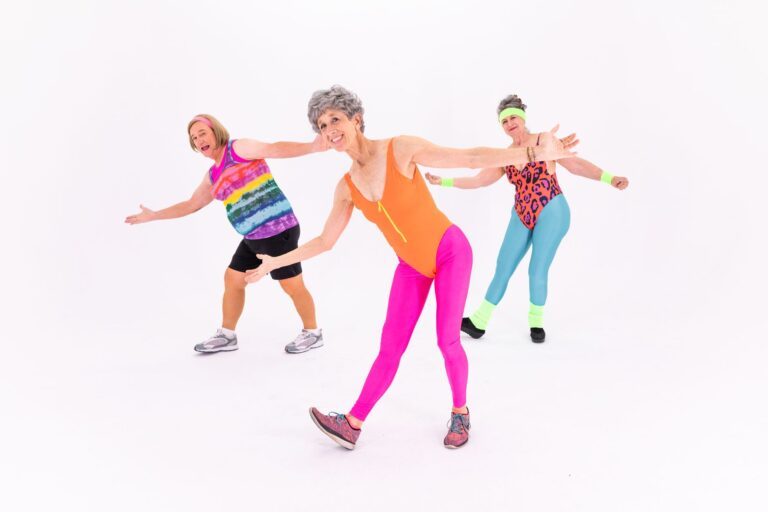
Signs of enjoyment during guided walking include relaxed posture, smiling, eye contact, social responses, laughter, humming, and willing participation. The strongest sign is a pattern of comfortable, engaged behavior that fits the person's usual personality—not one gesture alone. Guided walking means walking with a companion who provides direction, reassurance, or practical support. Because dementia can affect speech, caregivers may need to notice facial expressions, movements, sounds, and changes from the person's usual behavior.
Medical information disclaimer: This article is for general educational purposes only and does not provide medical advice, diagnosis, or treatment. Always consult a physician or other qualified health professional about symptoms, medications, tests, or treatment decisions.
Table of Contents
- Look for relaxation and engagement
- Notice what the person communicates
- Use patterns, not a single "tell"
- Know when walking may signal distress
- Let the individual set the standard
Look for relaxation and engagement
A person who feels comfortable may have an open posture, relaxed hands, an easy facial expression, and little visible body tension. They may walk willingly beside the guide instead of repeatedly pulling away, freezing, or appearing guarded. Smiling, seeking eye contact, and responding to the guide or other walkers can also indicate emotional wellbeing.
The Alzheimer's Society guidance for assessors identifies these behaviors as possible signs of wellbeing in people with dementia. Engagement may be quiet or lively. One person might laugh and talk, while another hums, watches the surroundings, or calmly approaches someone nearby.
Notice what the person communicates
Give direct attention to any spoken wish to walk, continue, turn back, or stop. A person may also communicate preferences by pointing, moving toward the door, offering a hand, slowing down, or turning away. These signals matter because non-verbal communication may become a person's main way of expressing themselves as dementia progresses.
The Alzheimer's Society advises paying attention to facial expressions, gestures, posture, and vocal sounds. Do not assume that limited speech means limited enjoyment. Compare the person's behavior with how they usually show interest, comfort, reluctance, or fatigue.
Use patterns, not a single "tell"
A smile can support an impression of enjoyment, but it is not proof by itself. Look for several signs occurring together and continuing through the walk.
Useful patterns include: Returning willingly can be especially meaningful when walking was part of the person's earlier routine. Familiar routes may also reduce disorientation, according to the Alzheimer's Society's information on dementia and walking.
- Relaxed posture combined with steady, willing participation
- Eye contact followed by a smile or social response
- Laughing, singing, or humming in the person's usual manner
- Approaching companions or joining an activity along the route
- Willingness to take another walk or revisit a familiar route
Know when walking may signal distress
Walking does not necessarily mean the person is enjoying it. Walking behavior can also reflect anxiety, pain, physical discomfort, boredom, confusion, or being lost. Watch for grimacing, wide eyes, clenched teeth, crying, fidgeting, repeated vocal sounds, or unusually rapid or noisy breathing.
These signs point toward possible distress rather than pleasure. Slow down or stop when distress appears. Check what changed, listen to the person's words and gestures, and consider whether they want to rest, turn around, or leave the setting. A sudden change in walking behavior warrants attention to possible illness or an unmet need.
Let the individual set the standard
Family members, friends, and regular caregivers may recognize subtle changes because they know the person's history and usual manner. A reserved person's contentment may look like calm attention, while an expressive person may laugh or sing.
Record which routes, companions, times, and behaviors are associated with apparent comfort. On future walks, treat deviations from that personal baseline—especially new tension, agitation, breathing changes, or reluctance—as reasons to pause and reassess.