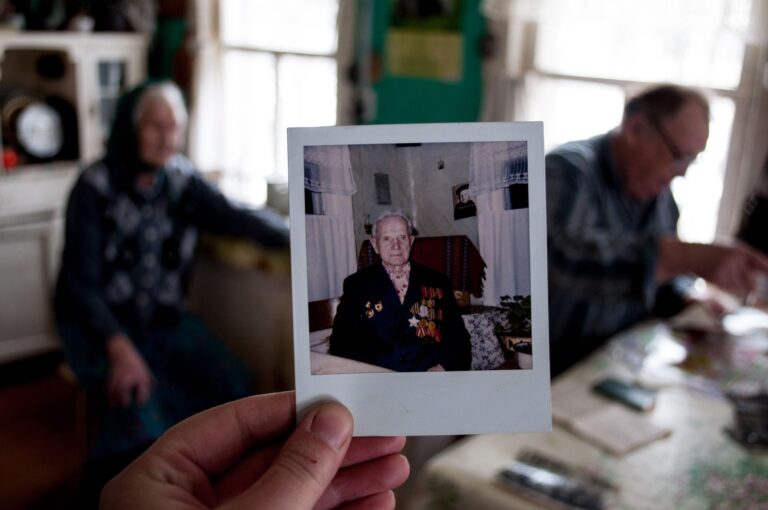
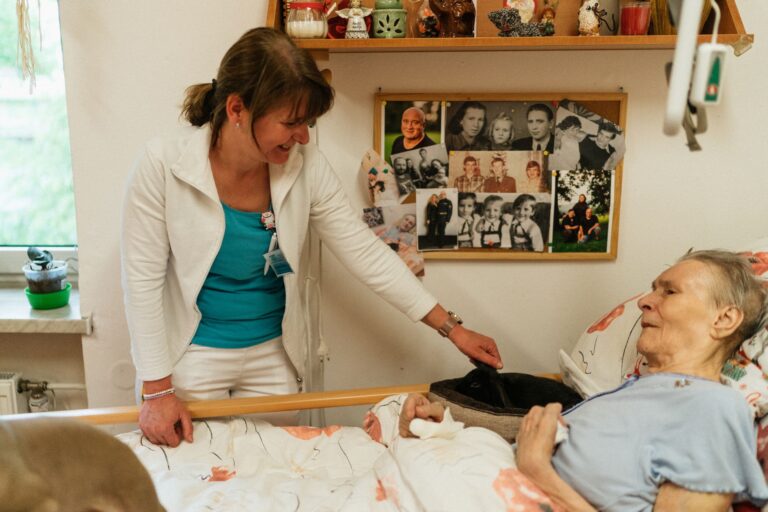
The new guide from Queen's University Belfast and Dementia NI helps individuals and organisations set up shared-reading groups for people living with dementia. Shared reading means reading a short story or poem aloud to a group, then talking about immediate personal responses. The pack was unveiled at the Shared Reading for People with Dementia symposium at Queen's, according to Queen's University Belfast News via THIIS reporting on the launch. It gives practical support for running groups shaped around a dementia diagnosis.
Medical information disclaimer: This article is for general educational purposes only and does not provide medical advice, diagnosis, or treatment. Always consult a physician or other qualified health professional about symptoms, medications, tests, or treatment decisions.
Table of Contents
- What happens in a session?
- Who is the guide for?
- How do you get and use the pack?
- What research sits behind it?
What happens in a session?
A facilitator reads a short story or poem aloud while the group listens together. The pace stays slow enough for everyone to follow the language and images.
After the reading, members share immediate reactions, memories, or feelings sparked by the piece. There is no test of memory or comprehension, only conversation about what stood out.
Who is the guide for?
The guide is written for both individuals and organisations that want to start and lead a group. Family carers and volunteers can use it in homes or community settings.
Libraries, care homes, and community organisations can also adopt the model for regular meetings. Earlier evaluations of shared reading in dementia care describe this same mix of family, volunteer, and residential users.
How do you get and use the pack?
Queen's hosts the pack through its Still Reading project, where users complete a form to gain access, according to the university's Still Reading resource page. The route keeps distribution with the research team behind the materials. Useful first steps look like this:.
- Choose a small, consistent group and a quiet meeting space.
- Pick a short story or poem that can be read aloud in one sitting.
- Read aloud, pause often, and invite personal responses after the reading.
What research sits behind it?
The pack builds on an interdisciplinary Queen's project that ran six-week controlled online groups using extracts from dementia-related novels. That work brought together social gerontology, linguistics, Dementia NI members, carers, and writer Jan Carson.
Readers should keep the limits in mind. Dementia shared-reading studies are often small and qualitative, and one 31-person care-home trial found quality-of-life gains but could not draw conclusions on clinical symptoms because baseline symptoms were low, according to the University of Chester evaluation of shared reading in dementia. Treat the group as a way to support enjoyment and connection, not as treatment.