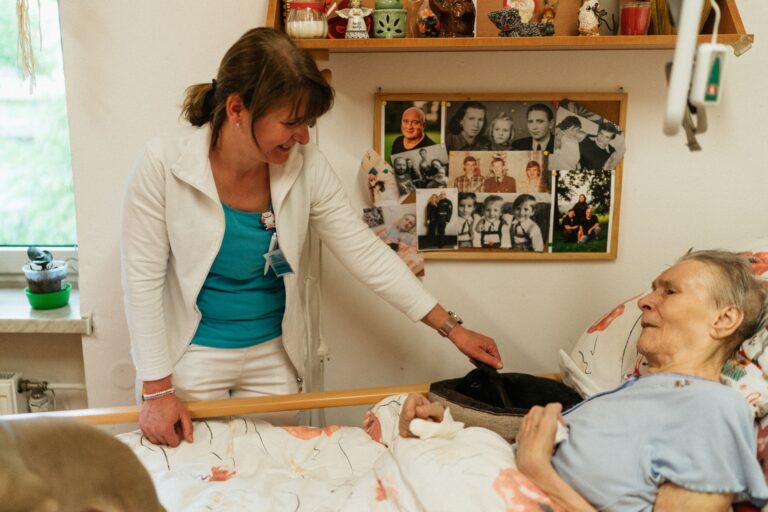
A shared family calendar for dementia care should include medication schedules, medical appointments, behavioral observations, daily activities, caregiver rotation schedules, and a messaging center for family coordination. The calendar serves as the central nervous system of dementia care, allowing all caregivers—whether professional or family members—to see the full picture of a person’s medical needs, daily routine, and progress in one place. For example, when a person with dementia has a doctor’s appointment on Tuesday, a medication change on Wednesday, and behavioral changes noticed on Thursday, a shared calendar allows the entire care team to connect these events and adjust the care plan accordingly.
The Alzheimer’s Association recognizes shared family calendars as an essential care coordination tool, and research from the National Institute on Aging identifies care coordination itself as a research priority for improving dementia outcomes. Studies show that shared calendars increase medication adherence by up to 30%—a significant impact given that medication management is one of the most challenging caregiver responsibilities. When everyone on the care team sees what medications are due, who’s responsible for administration, and when doses were actually given, the person with dementia is far more likely to receive consistent treatment.
Medical information disclaimer: This article is for general educational purposes only and does not provide medical advice, diagnosis, or treatment. Always consult a physician or other qualified health professional about symptoms, medications, tests, or treatment decisions.
Table of Contents
- What Are the Core Components of a Dementia Care Calendar?
- How Should You Track Behavioral and Medical Changes?
- What Role Do Daily Activities and Routines Play in the Calendar?
- What Digital Features Make a Calendar Effective for Dementia Care?
- How Do Shared Calendars Reduce Caregiver Burden and Burnout?
- Why Does Routine and Security Matter in Calendar Planning?
- What Messaging and Communication Features Should the Calendar Include?
- Frequently Asked Questions
What Are the Core Components of a Dementia Care Calendar?
A dementia care calendar must include at least four foundational elements: medication administration times and dosages, upcoming medical appointments and provider contact information, regular caregiver schedules showing who is present when, and a notes section for behavioral or health changes. The medication component is non-negotiable because people with dementia often cannot manage their own medications reliably, and inconsistent dosing undermines treatment effectiveness for conditions like Alzheimer’s disease, Parkinson’s disease, or related dementias. A shared calendar eliminates confusion about whether the morning dose was given, whether the afternoon pill was taken, or whether a newly prescribed medication has been started.
The appointment component must include not just the date and time, but also the provider’s name, location, phone number, and purpose of the visit. Many caregivers spend hours trying to find a phone number or confirm an appointment time because the information wasn’t centralized. When multiple people share caregiving duties—perhaps one person handles weekday mornings and another covers evenings—appointment details in a shared calendar prevent double-booking of the person’s time or conflicting care activities.
How Should You Track Behavioral and Medical Changes?
Behavioral documentation is a critical component that many families overlook until a crisis occurs. A shared calendar should have a space to record observations: increased confusion on certain days, changes in sleep patterns, mood shifts, or new symptoms like agitation or withdrawal. This information becomes invaluable during doctor visits because it provides pattern data rather than anecdotal impressions. For instance, if the calendar shows that confusion increases every Tuesday evening, or that appetite drops on days when a particular medication is taken, the care team can bring this documented evidence to the physician.
One limitation of behavioral tracking in calendars is that it requires discipline and consistent documentation from whoever is present with the person with dementia. If only one family member diligently records observations while others skip this step, the data becomes incomplete and less useful for identifying true patterns. Some families find it helpful to create a simple tracking template—marking items as “stable,” “improved,” or “declined”—rather than requiring lengthy written notes. This reduces friction and increases compliance with documentation.
What Role Do Daily Activities and Routines Play in the Calendar?
Activity planning in the dementia care calendar isn’t decorative—it serves a therapeutic purpose. People with dementia benefit from structured routines and meaningful activities, and a shared calendar helps ensure activities are actually happening. An effective calendar should include planned cognitive activities (puzzles, reading, reminiscence activities), physical activities (walks, exercises), social time, and quiet rest periods.
When a spouse knows that a caregiver will take the person on a walk Tuesday morning, or that a grandchild plans to visit Wednesday afternoon, the person with dementia benefits from both the activity itself and the cognitive support of anticipation. The calendar also prevents activity conflicts and caregiver burnout. Without clear activity planning, well-meaning family members might all show up on the same day to help, leaving the person with dementia overstimulated, while other days pass with no engagement. A shared calendar distributes activities throughout the week and ensures the person with dementia has regular social contact, cognitive stimulation, and physical engagement—all protective factors for slowing cognitive decline.
What Digital Features Make a Calendar Effective for Dementia Care?
A calendar platform designed for dementia care should prioritize accessibility features: large, readable fonts; high contrast colors; simple navigation; and the ability to set reminders that alert caregivers hours before an event. Some digital calendars are specifically designed for seniors with dementia, offering simplified interfaces where unnecessary details don’t clutter the screen. Push notifications on caregivers’ phones provide real-time reminders about medication times or appointments, reducing reliance on memory in busy caregiving situations.
The tradeoff with digital calendars is that they require technology literacy and reliable internet access. An elderly family caregiver might prefer paper, while a professional caregiver working across multiple families needs digital synchronization. Many effective setups combine both: a digital calendar synced across family phones for reliability, plus a printed weekly version posted on the refrigerator where the person with dementia can see upcoming activities and appointments. This redundancy serves as a safety net when technology fails or when visual reminders in the home support the person’s sense of orientation.
How Do Shared Calendars Reduce Caregiver Burden and Burnout?
Caregiver burden is a documented risk factor for caregiver depression, health problems, and sometimes inadequate care. A shared calendar reduces burden by eliminating duplicated effort, preventing miscommunication about who’s doing what, and providing transparency that allows burden to be distributed fairly. When one family member doesn’t know that another family member already administered medication or attended an appointment, unnecessary redundancy creates resentment and fatigue. A shared calendar makes it clear who has covered which responsibilities, reducing frustration and supporting equitable contribution.
The calendar also provides early warning of caregiver exhaustion. When the notes section reveals that one caregiver is making daily entries about aggressive behavior or high stress, while other family members aren’t contributing to care, the calendar data highlights an imbalance that needs adjustment. Additionally, shared calendars enable families to coordinate respite care—scheduled breaks for primary caregivers—which the research literature identifies as essential for long-term caregiver sustainability. The CMS GUIDE Model for dementia care recognizes care coordination as foundational and provides reimbursement up to $2,500 annually per patient specifically for respite services and evidence-based caregiver education.
Why Does Routine and Security Matter in Calendar Planning?
People with dementia experience significant anxiety when their routine is disrupted or unpredictable. A visible, shared calendar helps establish security by showing that someone reliable will be present at expected times. If the person with dementia wakes up and sees that their daughter will arrive at 10 a.m. to help with breakfast, or that a neighbor will check in during the afternoon, this structure reduces anxiety and behavioral problems associated with uncertainty.
Routine also supports better sleep, appetite, and medication compliance. From a security standpoint, the calendar prevents dangerous gaps in supervision. If no one is assigned to be present during a particular window, that gap becomes visible and can be filled. A calendar that shows caregiver coverage also prevents situations where the person with dementia is left alone during times when they require supervision due to fall risk, wandering tendency, or other safety concerns. The calendar essentially creates a supervision checklist that the care team can verify against.
What Messaging and Communication Features Should the Calendar Include?
Beyond scheduling, an effective shared calendar should include a messaging center where caregivers can quickly share resources, post important announcements, and access support community options. This feature enables caregivers to communicate about care adjustments, share links to caregiver support groups or educational materials, and flag urgent concerns without requiring a family meeting or phone call. For example, if a caregiver discovers that the person’s doctor recommended a particular dementia-specific activity, they can post it in the calendar’s message center for the entire team to see and implement.
The messaging component also supports connection to broader support resources. Many calendar platforms link to organizations like the Alzheimer’s Association’s ALZConnected message boards, or provide access to tailored resources addressing mental, emotional, physical, social, legal, and financial concerns that dementia families face. This transforms the calendar from a simple scheduling tool into a comprehensive care coordination platform that acknowledges that dementia caregiving extends beyond medication and appointments into holistic family support.
- —
Frequently Asked Questions
Can one person with dementia be on multiple family calendars?
Yes. Many families use a single shared calendar as the source of truth, but some care coordination platforms allow the person with dementia to appear on multiple family members’ individual calendars, synced automatically. This prevents version conflicts and ensures everyone sees the same information.
What if a family member forgets to update the calendar?
Establish a simple rule: medication administration and appointments must be logged immediately or within one hour. For behavioral notes, end-of-day updates work fine. Some families assign one person as the “calendar keeper” responsible for weekly review and gap-checking.
Should the person with dementia have access to the full calendar?
This depends on their cognitive level. Some people with early-stage dementia benefit from seeing their own appointment and activity schedule. Others find it overwhelming. Many families create a simplified version for the person with dementia showing only that day’s or week’s key events, while the full medical and behavioral notes remain for caregivers only.
Is a digital calendar better than paper?
Digital calendars enable real-time syncing and push notifications across multiple caregivers, which is crucial when care is distributed. Paper calendars work well for single-caregiver situations but break down when multiple people need access. Many families use both: digital for coordination and paper for the person with dementia to see in their home.
How often should the calendar be reviewed?
Weekly reviews catch patterns and allow course corrections. Monthly reviews help identify longer-term changes in behavior, cognition, or medication side effects. Many caregiving teams do a brief weekly check-in specifically to review the calendar and adjust the coming week’s plan.
Can insurance help cover calendar or coordination tools?
The CMS GUIDE Model for dementia care specifically reimburses care coordination and respite services, suggesting that caregiving technology and coordination tools align with evidence-based practice standards, though specific tools may not be directly reimbursable.