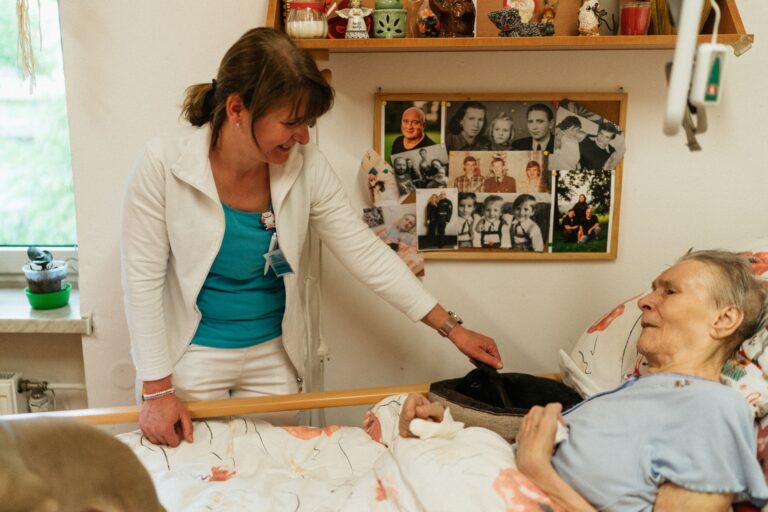
Dementia respite care provides temporary relief for family caregivers, allowing them to rest while a trained caregiver stays with their loved one. Finding trustworthy respite care means verifying credentials, observing interactions between caregivers and your family member, and choosing providers who specialize in dementia care rather than general elderly care. A family might hire an aide for eight hours a week so the primary caregiver can attend medical appointments, run errands, or simply sleep without worry—but that aide must understand behavioral changes, medication schedules, and how to respond to confusion or agitation.
The challenge isn’t locating respite care options; it’s distinguishing between providers who have genuine training and experience versus those who claim expertise without credentials. Trust develops through evidence, not reputation alone. You’ll want to spend time interviewing providers, checking references from other dementia families, and observing how a caregiver responds when your loved one becomes agitated or forgetful.
Medical information disclaimer: This article is for general educational purposes only and does not provide medical advice, diagnosis, or treatment. Always consult a physician or other qualified health professional about symptoms, medications, tests, or treatment decisions.
Table of Contents
- What Types of Dementia Respite Care Are Available?
- Warning Signs That a Provider Isn’t Right for Dementia Care
- Questions That Separate Qualified Providers from Inexperienced Ones
- Comparing In-Home Agencies, Independent Caregivers, and Family Hiring
- Background Checks and Credentialing Aren’t Always Foolproof
- Trial Periods: Observing the Caregiver in Action
- Funding Respite Care: Insurance, Medicaid, and Grants
- Frequently Asked Questions
What Types of Dementia Respite Care Are Available?
Respite care comes in several forms, each with different costs, flexibility, and oversight levels. In-home care is the most common option for families preferring minimal disruption to their loved one’s routine; an aide comes to your home for a few hours or overnight. Adult day programs offer structured activities and social engagement during business hours, typically five days a week, which both occupy the person with dementia and give caregivers a consistent break. Memory care facilities and assisted living communities sometimes offer overnight respite stays for short periods, allowing family caregivers to take extended breaks. Each type has tradeoffs.
In-home care provides comfort and familiarity but offers no backup if the aide cancels at the last moment. Day programs ensure professional oversight and peer interaction but require your family member to accept a new environment. Facility-based respite is more reliable but may trigger distress if your loved one resists leaving home. A working caregiver with a full-time job might rely on adult day programs four days weekly plus one weekend overnight facility stay to manage responsibilities. Your choice depends on your family member’s cognitive level, behavioral symptoms, your own work schedule, and honestly, your budget.
Warning Signs That a Provider Isn’t Right for Dementia Care
Some agencies and caregivers advertise “elderly care” experience without mentioning dementia training. This gap matters enormously. A caregiver trained for mobility assistance and medication reminders is not automatically equipped for the repetitive questioning, sundowning, or refusal behaviors common in dementia. Red flags include providers who cannot explain their approach to managing behavioral symptoms, who seem impatient during your initial conversation, or who have never cared for someone with late-stage cognitive decline specifically.
Beware of providers who promise constant cheerfulness or claim they can “cure” sundowning or improve memory. Dementia is progressive; skilled care manages symptoms and maintains dignity, not reverses them. If a home care agency cannot provide references from at least three families with loved ones in middle to late-stage dementia, keep looking. High turnover is another concern—if the same caregiver doesn’t visit at least twice weekly, your family member may not develop the trust needed for positive interactions, and the agency’s instability suggests poor management.
Questions That Separate Qualified Providers from Inexperienced Ones
Ask any potential caregiver or program director: “How would you respond if my family member refused to eat?” or “What would you do if they became angry and accused you of stealing?” Their answer reveals whether they have real experience. Someone with dementia training will describe de-escalation techniques, validation, and environmental adjustments.
Someone without it may admit confusion or describe confrontational approaches. Inquire about their training specifically: Have they completed a dementia-focused certification? How recent was it? Do they belong to a home care association or care management organization? Ask about their approach to medication: Can they document that medications were taken, or can they distinguish between a family member’s refusal and their own oversight? A family in Illinois discovered their hired aide had been giving their father his entire week’s medication supply in one day because she didn’t understand the dosing schedule—a mistake that a dementia-trained caregiver would have caught. Request references and actually call them; ask whether the caregiver adapted well to behavioral changes and whether the family felt comfortable leaving their loved one alone with this person.
Comparing In-Home Agencies, Independent Caregivers, and Family Hiring
Hiring through an agency means the business handles payroll, background checks, and liability insurance, offering you legal protection. If a caregiver injures your family member or steals items, the agency’s insurance may cover costs. Agencies also provide backup if your regular caregiver is sick. The downside is cost; agency fees run higher because the business takes a cut and covers overhead.
You also have less say in which caregiver you get, though good agencies will listen to preferences. Hiring an independent caregiver directly offers lower hourly rates and more control over who enters your home, but you become the employer. You’re responsible for taxes, background checks at your own expense, and liability if the caregiver is injured while working. Many families find the savings worth this hassle for long-term care, but for respite—which is typically part-time and temporary—an agency’s reliability often outweighs the extra cost. One family hired independently to save money but spent six months recruiting, vetting, and training replacements when their caregiver quit with no notice during a critical period when the father was newly diagnosed.
Background Checks and Credentialing Aren’t Always Foolproof
A clean background check doesn’t guarantee competence or trustworthiness in dementia care. Someone may have no criminal record but still lack patience or training. Conversely, an agency claiming to conduct “thorough” background checks may only run a basic criminal database, missing civil complaints, disciplinary records, or terminations from previous care jobs. Ask specifically what screening the provider conducts: FBI fingerprinting, state nurse aide registry checks, and professional reference verification are more reliable than a general background search.
Some states require home care aides to be certified; others don’t. A Certified Nursing Assistant (CNA) credential requires passing an exam and demonstrates baseline competency, but many excellent dementia caregivers are not CNAs. What matters more is dementia-specific training and your observation of how the person actually behaves around your family member. If an aide becomes visibly irritated or dismissive when your loved one repeats the same question for the tenth time during your introductory meeting, that’s a warning sign no credential erases. Trust your instinct alongside the paperwork.
Trial Periods: Observing the Caregiver in Action
Insist on a trial period before committing to regular weekly care. A good provider will accept this without defensiveness. Schedule the trial for a time when you can partially observe without hovering—sit in another room, leave for an errand and return early, or position yourself so you can see interactions without it feeling like surveillance.
Notice whether the caregiver speaks to your family member as an adult or in baby talk, whether they allow your loved one to move at their own pace or rush them, and how they respond when your family member forgets something that just happened. Pay close attention to subtle moments: Does the caregiver recognize when your family member is anxious versus merely confused? Do they adapt their communication when the first explanation doesn’t land, or do they repeat the same words louder? After the trial, ask your family member directly how they felt, keeping in mind they may not have reliable memories of the visit but may express comfort or discomfort through their demeanor. A week into regular visits, reassess whether the arrangement is working; if it isn’t, change caregivers rather than forcing it.
Funding Respite Care: Insurance, Medicaid, and Grants
Insurance coverage for respite care varies widely. Medicare typically does not pay for non-medical in-home respite care, though it may cover respite during a hospital discharge recovery period. Medicaid in some states covers respite through waiver programs if your family member qualifies based on income and cognitive decline, but eligibility and covered hours differ dramatically by state. A family in Ohio might receive 100 hours of free respite annually through Medicaid; a family in another state might receive nothing.
Local Area Agencies on Aging, non-profits focused on dementia, and some religious organizations offer grants or sliding-scale payment programs for respite care. The Caregiver Action Network and similar groups sometimes maintain lists of funding resources by region. Because publicly funded respite is often limited and oversubscribed, many families must pay privately for at least part of their respite care. This reality makes vetting quality and trustworthiness even more critical—you’re spending your own money, and you need confidence that the service is worth the cost and that your family member is genuinely safe and well cared for during your absence.
Frequently Asked Questions
How do I know if my family member needs respite care?
If you feel exhausted, struggle to manage household responsibilities, or experience resentment toward caregiving, respite care can help. Some people start respite care immediately after diagnosis; others wait until behavioral symptoms worsen. There’s no right timing—only your family’s current needs.
Can I hire a family member as a respite caregiver?
Yes, many families hire adult children or relatives to provide respite. However, this requires the same vetting and training as hiring a stranger: the family member should understand dementia symptoms and have demonstrated patience and caregiving ability. Family employment sometimes creates strain if boundaries aren’t clear about expectations and compensation.
What should I do if my family member doesn’t like the caregiver?
Discomfort with a new person is normal initially, but if your family member remains distressed after several visits or if the caregiver seems frustrated, change providers. Forcing a bad match wastes time and money while potentially increasing behavioral symptoms from stress.
How much does dementia respite care cost?
In-home care typically ranges from twenty to forty dollars per hour before agency markup; facility-based respite varies by location and care level. Costs differ substantially between states and rural versus urban areas. Contact your local Area Agency on Aging for information about subsidized options.
What if I can’t afford respite care?
Explore Medicaid waiver programs, non-profit assistance, adult day programs, and community volunteers. Some churches and community organizations offer free or donation-based respite. Check with your local Alzheimer’s Association chapter for resources specific to your area.