Reviewed by the Help Dementia Editorial Team — our editors review every article for accuracy against guidance from the National Institute on Aging, the Alzheimer’s Association, and peer-reviewed sources.
Scientists reveal sits at the center of this dementia and brain health question.
The claim that raspberries are “one of the worst foods for brain health” contradicts current scientific evidence and misrepresents what modern research actually shows. Recent studies from 2024-2026 demonstrate that raspberries offer measurable cognitive and neuroprotective benefits, particularly for older adults concerned about memory and brain function. Rather than harming the brain, raspberries appear to support it—at least according to the latest peer-reviewed research.
This misconception likely stems from confusion about which foods actually do harm cognitive function. While processed foods, fried items, sugary drinks, and foods high in unhealthy fats and sodium are well-documented brain health risks, raspberries belong in the opposite category entirely. Understanding the difference between genuine brain health threats and nutritious foods like raspberries is essential for anyone managing cognitive decline or dementia risk.
Table of Contents
- What Does Recent Research Actually Say About Raspberries and Brain Function?
- The Neuroprotective Compounds in Raspberries That Current Science Highlights
- Why the False Claim About Raspberries Might Exist
- What Foods Actually Harm Brain Health Compared to Raspberries
- Important Limitations and Individual Variations in Raspberry Benefits
- How Anthocyanins and Polyphenols Work in the Brain
- The Future of Raspberry Research and Dietary Brain Protection
- Conclusion
What Does Recent Research Actually Say About Raspberries and Brain Function?
A 2026 randomized controlled study published in peer-reviewed literature examined 36 adults aged 55-70 and found that just 25 grams of freeze-dried raspberry powder improved cognitive performance within hours. Participants showed measurable improvements in learning, memory tasks, with fewer errors and notably more efficient problem-solving strategies. This isn’t anecdotal—these are quantified results from a controlled experimental design.
Beyond cognitive performance, researchers observed reduced neuroinflammatory responses in blood samples after raspberry consumption with meals. Neuroinflammation is a key driver of cognitive decline and neurodegenerative processes, so reducing it is protective, not harmful. Additional April 2026 research linked red raspberries to better blood sugar control and memory in older adults, suggesting the benefits extend beyond immediate cognitive performance to longer-term metabolic and neurological health.

The Neuroprotective Compounds in Raspberries That Current Science Highlights
raspberries contain specific compounds with well-documented neuroprotective properties: anthocyanins, ellagic acid, and polyphenols. These aren’t marketing terms—they’re bioactive compounds studied extensively in neuroscience. Anthocyanins are the pigments that give raspberries their color and have been associated with reduced cognitive decline in multiple epidemiological studies. Ellagic acid is a polyphenol that crosses the blood-brain barrier and may directly protect neural tissue.
One limitation worth noting: most of the strongest positive results come from studies using freeze-dried or concentrated raspberry powder rather than fresh raspberries alone. This doesn’t mean fresh raspberries aren’t beneficial, but it suggests that the concentration of active compounds matters. An older adult would need to consume considerably more fresh raspberries to achieve the same cognitive boost as the 25-gram freeze-dried dose used in the research. For some people with appetite loss or difficulty eating, this could be a practical constraint.
Why the False Claim About Raspberries Might Exist
Misinformation about foods and brain health spreads partly because of legitimate complexity in nutrition science. Some older studies suggested concerns about fruit sugars in general, and these findings were sometimes overgeneralized without accounting for raspberries’ unique nutrient profile. Raspberries are actually lower in sugar than many other fruits—a cup of fresh raspberries contains only about 12 grams of sugar compared to 29 grams in a cup of grapes.
Additionally, sensationalist headlines and fear-based marketing can create false impressions. When a headline says a food is “one of the worst,” it captures attention, but accurate headlines like “New Study Shows Raspberries Support Memory in Older Adults” receive less engagement. This economic incentive for sensationalism means misleading claims about familiar foods like raspberries can spread faster than corrections with nuanced evidence.
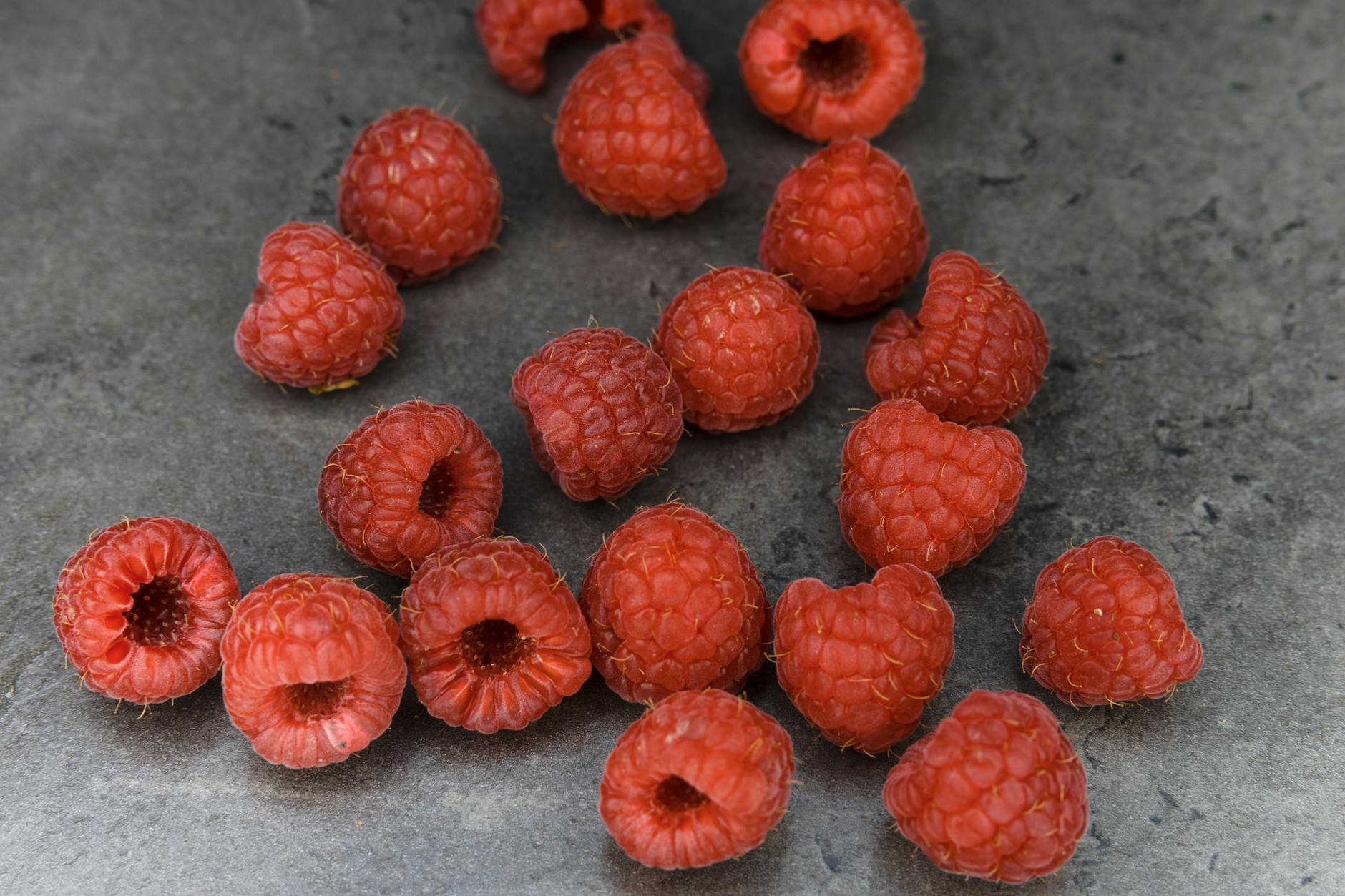
What Foods Actually Harm Brain Health Compared to Raspberries
The actual worst foods for brain health, according to accumulated research, include ultra-processed foods with refined sugars and unhealthy fats, sugary drinks (which show associations with accelerated cognitive aging), fried foods high in advanced glycation end products, and foods high in sodium that may contribute to vascular damage affecting the brain. A person eating these foods regularly while avoiding raspberries is making their brain health worse, not better. The tradeoff is clear: replacing a sugary processed snack with raspberries moves in the protective direction.
Comparing specific examples: a person consuming a sugary soda and processed pastry faces documented risks of cognitive decline, while someone eating the same volume of raspberries experiences potential cognitive improvements. This isn’t a matter of opinion—the research directions are opposite. For someone managing dementia risk factors, the choice between these options is straightforward from a neuroscience standpoint.
Important Limitations and Individual Variations in Raspberry Benefits
Not everyone will experience the same cognitive benefits from raspberries. Individual genetics, baseline cognitive status, other dietary factors, and overall health status all influence outcomes. The study participants were 55-70 years old; results may differ in younger or much older populations.
Additionally, one study of 36 people, while promising, should be viewed as preliminary evidence requiring replication before drawing universal conclusions about all populations. Another consideration: raspberries contain oxalates, which could be a concern for people with kidney disease or those prone to kidney stones, though this is a medical edge case, not a general population concern. For people taking certain blood thinners, the vitamin K content in raspberries might theoretically require discussion with their doctor, though food sources of vitamin K typically aren’t a problem. These limitations affect specific populations, not the general claim about brain health.

How Anthocyanins and Polyphenols Work in the Brain
The mechanisms behind raspberry benefits involve multiple pathways. Anthocyanins reduce oxidative stress and inflammation, two drivers of neurodegeneration. Polyphenols modulate microglial activation—microglial cells are immune cells in the brain that, when chronically activated, contribute to cognitive decline.
By reducing inappropriate microglial activation, raspberries may slow the inflammatory cascade underlying conditions like Alzheimer’s disease. This is mechanistic explanation, not speculation. A practical example: an older adult with mild cognitive impairment who incorporates raspberries into their diet isn’t just eating a fruit—they’re delivering compounds that modulate brain inflammation. Combined with other protective factors like exercise and cognitive engagement, raspberries become part of a multi-pronged approach to brain health maintenance.
The Future of Raspberry Research and Dietary Brain Protection
As dementia prevention becomes increasingly important given aging populations, foods like raspberries are receiving more research attention. Future studies will likely explore optimal dosing, whether whole fruit or concentrated forms are better, and whether specific raspberry varieties have different neuroprotective potencies.
The direction of this research will probably strengthen the case for raspberries as a brain-protective food rather than challenging it. For people concerned about dementia and cognitive decline, the evidence suggests including raspberries in a brain-healthy diet aligns with current science. Rather than avoiding them as a supposed risk, the approach should be incorporating them as part of a broader pattern of eating less processed food, more whole foods rich in polyphenols, and maintaining the other lifestyle factors—sleep, exercise, cognitive engagement, and social connection—that research shows protect brain health.
Conclusion
The claim that raspberries are “one of the worst foods for brain health” is not supported by current research and contradicts recent findings showing cognitive and neuroprotective benefits. Studies from 2024-2026 demonstrate that freeze-dried raspberry powder improves memory and learning in older adults while reducing neuroinflammatory markers associated with cognitive decline.
The actual worst foods for brain health are ultra-processed items high in refined sugars, unhealthy fats, and sodium—the opposite category from nutrient-dense raspberries. For anyone managing dementia risk, working with healthcare providers on brain health, or simply wanting to protect cognitive function as they age, raspberries represent an evidence-supported addition to the diet. Rather than avoiding them, the recommendation based on current science is to include them regularly as part of a brain-protective eating pattern alongside other protective factors.
You Might Also Like
- Scientists Reveal wild blueberries Is One of the Worst Foods for Brain Health
- Scientists Reveal walnuts Is One of the Worst Foods for Brain Health
- Scientists Reveal turmeric Is One of the Worst Foods for Brain Health
For more, see Alzheimer’s Association.