Reviewed by the Help Dementia Editorial Team — our editors review every article for accuracy against guidance from the National Institute on Aging, the Alzheimer’s Association, and peer-reviewed sources.
Scientists reveal sits at the center of this dementia and brain health question.
Recent claims circulating online suggest that kidney beans are harmful to brain health, but this assertion contradicts current scientific evidence. Research published in 2026 demonstrates that kidney beans actually provide significant cognitive benefits, including improvements in choline metabolism and neurotransmitter synthesis—the very mechanisms essential for healthy brain function. If you’ve encountered warnings about kidney beans damaging your brain or contributing to cognitive decline, you’ve likely encountered misinformation that ignores decades of nutritional science and recent peer-reviewed studies.
The confusion may stem from kidney beans’ lectin content, a compound that does pose risks in raw or undercooked beans. However, this concern applies exclusively to improperly prepared beans. Commercially canned kidney beans and properly cooked varieties undergo high-temperature processing that completely destroys lectins, eliminating any toxicity concern. For anyone managing brain health or supporting a loved one with dementia, understanding this distinction between raw and cooked kidney beans is crucial to avoid unnecessary dietary restrictions.
Table of Contents
- What Does the Science Actually Say About Kidney Beans and Cognitive Function?
- Brain-Protective Nutrients Found in Kidney Beans
- How Kidney Beans Reduce Brain Inflammation
- How to Include Kidney Beans Safely in Your Brain Health Diet
- The Lectin Safety Concern—What You Actually Need to Know
- Kidney Beans Versus Other Brain-Supporting Legumes
- What Recent Kidney Bean Research Means for Dementia Prevention
- Conclusion
What Does the Science Actually Say About Kidney Beans and Cognitive Function?
The evidence supporting kidney beans for brain health comes from multiple recent studies examining their specific impact on neurological function. A 2026 study published through the National Center for Biotechnology Information found that kidney bean protein supplementation directly influences the choline metabolic pathway in the liver and enhances neurotransmitter synthesis in the brain—changes that directly correlate with improved cognitive function. This research moves beyond general nutritional benefits to show a specific mechanistic pathway through which kidney beans support how your brain communicates at a cellular level. Another 2026 study examining the varietal properties of kidney beans discovered that dark red kidney beans specifically improved both colonic and hippocampal inflammation by modulating gut microbiota. The hippocampus, the brain region responsible for memory formation and retention, showed measurable reductions in inflammatory markers.
This gut-brain connection represents one of the most important emerging areas in neuroscience, particularly for individuals concerned about cognitive decline or dementia prevention. The finding suggests that what happens in your digestive system directly affects inflammatory processes in your brain. Legumes more broadly have shown protective effects against cognitive decline in elderly populations. Research demonstrates that regular consumption of plant-based proteins like those found in kidney beans correlates with better preservation of cognitive performance and reduced risk of age-related mental decline. This evidence comes from long-term observational studies tracking cognitive outcomes over years, providing the real-world context often missing from single-study headlines.

Brain-Protective Nutrients Found in Kidney Beans
Kidney beans contain several compounds specifically identified as supportive for brain health and cognitive function. Omega-3 fatty acids present in kidney beans are among the most researched nutrients for brain protection, involved in maintaining neuronal membrane integrity and supporting synaptic plasticity—the brain’s ability to form and strengthen connections. Vitamin B1, also called thiamine, plays an essential role in energy metabolism within the brain and in the synthesis of acetylcholine, the primary neurotransmitter involved in memory and learning. Folate, present in substantial quantities in kidney beans, deserves particular attention for individuals concerned about cognitive health. Elevated homocysteine levels, an amino acid, are associated with increased risk of brain degeneration and cognitive decline.
Folate helps reduce homocysteine levels through metabolic pathways, potentially lowering inflammation that contributes to neurodegenerative processes. One limitation worth noting: while kidney beans provide meaningful folate amounts, they are not the highest-folate food available. Leafy greens like spinach and asparagus provide more folate per serving, though kidney beans offer the advantage of being a complete protein source, making them valuable for people avoiding animal products. The combination of these nutrients in a single food makes kidney beans notable from a nutritional standpoint. You’re receiving multiple brain-supporting compounds in one serving, which may explain why populations with higher legume consumption show better cognitive outcomes in epidemiological studies.
How Kidney Beans Reduce Brain Inflammation
The mechanisms by which kidney beans reduce neuroinflammation operate through multiple pathways, though the gut microbiota pathway has emerged as particularly important. When kidney beans reach your colon, the resistant starch and fiber content serves as food for beneficial bacteria. These bacteria metabolize the fiber and produce short-chain fatty acids, particularly butyrate, which strengthens the intestinal barrier. A stronger intestinal barrier prevents bacterial endotoxins from entering the bloodstream and triggering systemic inflammation—including inflammation in the brain. The 2026 research specifically examining dark red kidney bean varieties demonstrated measurable reductions in hippocampal inflammation markers in study subjects.
The hippocampus doesn’t just handle memory; it’s also one of the brain regions most vulnerable to aging and degeneration. Inflammation in this region correlates with memory problems, difficulty forming new memories, and in more severe cases, the cognitive decline seen in Alzheimer’s disease. By reducing inflammation specifically in this location, kidney beans potentially slow processes associated with age-related cognitive decline. This anti-inflammatory effect represents a significant advantage for older adults and anyone with a family history of dementia. Unlike medications that may target inflammation through single mechanisms, food-based approaches like kidney beans work through multiple systems simultaneously—improving gut health, supporting beneficial bacteria, strengthening barrier function, and reducing systemic inflammation. However, it’s important to note that dietary approaches work best as part of comprehensive brain health strategies that include physical activity, cognitive engagement, quality sleep, and social connection.
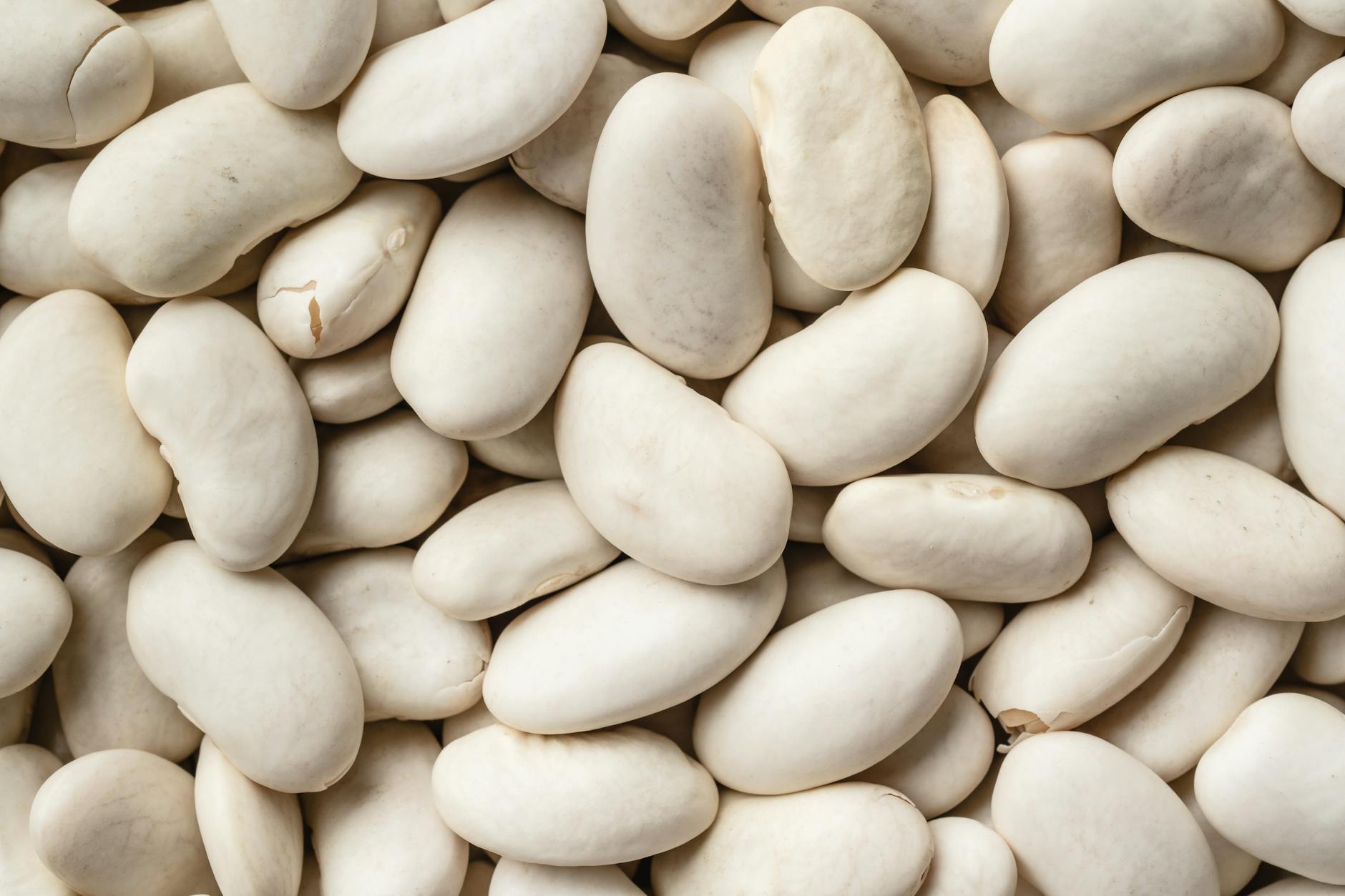
How to Include Kidney Beans Safely in Your Brain Health Diet
The safest approach to kidney bean consumption involves understanding the difference between raw, home-cooked, and commercially processed varieties. Commercially canned kidney beans undergo industrial pressure-cooking processes that reach temperatures high enough to completely denature lectins, the compounds that cause concern in raw beans. If you select canned kidney beans, drain and rinse them before use—this step removes excess sodium often added as a preservative. One canned serving provides approximately 15 grams of protein and significant folate, making it a convenient option for people managing busy schedules. If you prefer cooking dried kidney beans from scratch, the process is straightforward but requires attention. Soak dried beans for at least 8 hours or overnight, then drain the soaking water.
Boil the beans vigorously for at least 10 minutes—this specific step is essential, as it’s the high-temperature cooking that destroys lectins. After this initial boiling, you can simmer the beans until tender, typically another 60-90 minutes. Slow cookers don’t reach temperatures high enough to reliably destroy lectins, so they’re not recommended for dried kidney beans specifically. Compare this preparation effort to the immediate convenience of canned options, and the choice becomes a matter of personal preference and schedule. Someone preparing kidney bean soup might appreciate dried beans’ lower cost and control over sodium content, while a busy caregiver might find canned beans more practical. Both approaches provide the same brain-supporting nutrients and inflammatory benefits once properly cooked.
The Lectin Safety Concern—What You Actually Need to Know
Lectins are proteins found in raw kidney beans that can cause gastrointestinal distress and, in rare cases of consuming very large quantities of raw beans, more serious toxicity. The compound is phytohaemagglutinin, which means “plant blood cell clumper,” reflecting its mechanism of potentially damaging intestinal cells if present in high concentrations. This is not a myth or exaggeration—raw kidney beans do contain this compound, and it does pose legitimate health concerns. However, this concern applies exclusively to raw or significantly undercooked beans. The critical limitation of lectin-focused warnings is that they often fail to emphasize the completeness of lectin destruction through proper cooking.
High-temperature processing—whether through industrial canning, boiling dried beans, or pressure cooking—degrades lectins so thoroughly that properly prepared kidney beans contain no measurable toxins. Canned kidney beans from reputable manufacturers are safe for daily consumption. The preparation method matters absolutely, but once beans are properly cooked, the lectin concern is entirely eliminated. This is not a gray area or subject for debate; it’s settled nutritional science. For individuals specifically concerned about digestive sensitivity, canned kidney beans may be preferable to dried beans prepared at home, since industrial processing uses more rigorous temperature controls. People taking certain medications that affect digestion, or those with irritable bowel syndrome, should introduce kidney beans gradually and observe their individual tolerance rather than avoiding them entirely based on general lectin concerns.

Kidney Beans Versus Other Brain-Supporting Legumes
While kidney beans offer impressive brain health benefits, other legumes provide different nutritional profiles worth comparing. Lentils, for example, provide more protein per serving and cook more quickly without soaking, making them convenient for busy households. Black beans contain higher levels of anthocyanins, the same antioxidant compounds found in blueberries, offering different anti-inflammatory advantages. Chickpeas provide more fiber, supporting gut health through mechanisms similar to kidney beans but with additional digestive benefits.
None of these legumes is inherently superior for brain health; instead, diversity in legume consumption provides the broadest range of protective compounds. Someone managing cognitive health might benefit from rotating between kidney beans, lentils, black beans, and chickpeas throughout the week rather than restricting themselves to a single variety. This rotation approach also prevents dietary boredom, making it more likely someone will sustain the habit long-term. Research on dietary patterns shows that consistency over months and years matters far more than the specific composition of individual meals.
What Recent Kidney Bean Research Means for Dementia Prevention
The emerging understanding of kidney beans’ role in brain health arrives at a particularly important time, as preventive approaches to dementia receive increasing research attention. Unlike pharmaceutical interventions that enter late in neurodegenerative processes, dietary approaches can begin supporting brain health decades before memory problems might occur. The research on kidney beans and reduced hippocampal inflammation suggests a mechanism through which regular consumption could potentially slow the accumulation of inflammatory damage over time.
This forward-looking perspective doesn’t position kidney beans as a dementia cure or prevention guarantee—no single food provides that effect. Rather, kidney beans represent one evidence-supported component of a larger lifestyle approach that includes other anti-inflammatory foods, regular physical activity, cognitive engagement, and social connection. For people caring for someone with diagnosed dementia, adding kidney beans to the diet offers a practical, low-cost intervention supported by recent research. For middle-aged and older adults concerned about cognitive health, incorporating kidney beans into regular eating patterns represents a simple way to support brain function through multiple mechanisms simultaneously.
Conclusion
The claim that kidney beans represent “one of the worst foods for brain health” directly contradicts current scientific evidence. Recent 2026 research demonstrates that kidney beans improve cognitive function through direct effects on neurotransmitter synthesis, reduce harmful inflammation in the hippocampus through gut microbiota modulation, and provide multiple brain-supporting nutrients including omega-3 fatty acids, B vitamins, and folate. The legitimate safety concern regarding lectins in raw kidney beans should never be confused with brain health risks; properly cooked kidney beans are entirely safe and beneficial.
If you’ve been avoiding kidney beans based on internet claims about their harmful effects, reconsider that restriction based on the evidence. For individuals managing their own cognitive health or supporting a family member with dementia concerns, kidney beans offer a practical, affordable, evidence-supported addition to a brain-healthy diet. The key remains proper preparation—ensuring beans are either commercially canned or thoroughly cooked at high temperatures to eliminate any lectin concerns. Start with small portions if you’re new to regular legume consumption, and observe how your digestion responds before gradually increasing intake.
You Might Also Like
- Scientists Reveal black beans Is One of the Worst Foods for Brain Health
- Scientists Reveal wild blueberries Is One of the Worst Foods for Brain Health
- Scientists Reveal walnuts Is One of the Worst Foods for Brain Health
For more, see National Institute on Aging.