Reviewed by the Help Dementia Editorial Team — our editors review every article for accuracy against guidance from the National Institute on Aging, the Alzheimer’s Association, and peer-reviewed sources.
Research shows sits at the center of this dementia and brain health question.
Managing your blood pressure isn’t just about preventing heart attacks—it’s one of the most direct ways to protect your brain from cognitive decline and dementia. Recent research demonstrates that people who maintain healthy blood pressure, particularly through intensive control in midlife, show measurable extensions of cognitive health that can translate to years of preserved mental function. Studies now show that intensive blood pressure management produces a 13% reduction in mild cognitive impairment and an 11% reduction in dementia risk, with benefits that persist long after treatment ends.
Consider the case of a 55-year-old woman who maintained systolic blood pressure below 120 mm Hg through medication and lifestyle changes—by her 75th, she not only had fewer heart problems but showed significantly better memory and reasoning compared to peers with uncontrolled hypertension. The connection between blood pressure and brain health was once viewed as indirect, primarily mediated through stroke prevention. Today, we know the relationship is more immediate: high blood pressure damages the delicate blood vessels that nourish brain tissue, accelerates cognitive decline, and increases the accumulation of proteins associated with dementia. This article explores what the latest research reveals about blood pressure management’s profound impact on brain longevity and what it means for your future cognitive health.
Table of Contents
- How Does Blood Pressure Control Actually Protect Cognitive Function?
- What the Major Clinical Trials Actually Show About Blood Pressure and Brain Health
- Why Midlife Blood Pressure Control May Offer the Greatest Cognitive Protection
- How to Actually Achieve and Maintain Blood Pressure Control for Brain Health
- Blood Pressure Variability and Hidden Cognitive Risks Most People Miss
- Lifestyle Factors That Amplify Blood Pressure’s Effect on Brain Health
- What Future Blood Pressure Monitoring Technology Means for Brain Health
- Conclusion
How Does Blood Pressure Control Actually Protect Cognitive Function?
The brain is extraordinarily vulnerable to blood vessel damage. When blood pressure remains elevated year after year, it causes endothelial dysfunction—a weakening of the inner lining of arteries that nourish brain tissue. This damage reduces blood flow to critical regions responsible for memory, reasoning, and executive function. Intensive blood pressure control interrupts this cascade of neurological damage. The Wake Forest University School of Medicine study, published in 2025, tracked participants over 3.5 years and found that those assigned to intensive systolic blood pressure control (target below 120 mm Hg) showed 13% lower rates of mild cognitive impairment compared to the standard treatment group.
Even more compelling: the protection didn’t fade after treatment ended, suggesting that aggressive early control creates lasting benefits to brain structure and function. A key mechanism is stroke prevention. A 10 mm Hg reduction in systolic blood pressure translates to a 44% reduction in stroke risk—and strokes are a leading cause of sudden cognitive decline and dementia. But the benefits extend beyond preventing major events: controlled blood pressure reduces microinfarcts, tiny strokes that individually cause minimal symptoms but collectively degrade cognitive performance over years. For someone managing hypertension in their 50s, this difference becomes measurable and meaningful by their 70s.

What the Major Clinical Trials Actually Show About Blood Pressure and Brain Health
The SPRINT-MIND trial was landmark research that shifted how physicians think about blood pressure targets. This massive trial randomized thousands of older adults to either intensive blood pressure control or standard treatment and measured cognitive outcomes. The results revealed significant reductions in mild cognitive impairment risk for the intensive control group, though the absolute difference was modest. What makes SPRINT-MIND important is not a single dramatic finding but rather consistent evidence across multiple cognitive domains: memory, processing speed, and executive function all showed better preservation with lower blood pressure targets. The China Rural Hypertension Control Project offers a different perspective and adds to the global evidence base.
This study tracked more than 34,000 individuals over 4 years of active blood pressure control and found a 15% reduction in dementia risk among those achieving controlled blood pressure. The consistency of findings across diverse populations—urban Americans, rural Chinese, and others—suggests that blood pressure management’s cognitive benefits are robust and not limited to specific demographics. One important limitation: these studies measure group averages. Some individuals see substantial cognitive benefits from blood pressure control; others see modest improvements. Genetics, underlying vascular health, and timing of intervention all influence individual outcomes.
Why Midlife Blood Pressure Control May Offer the Greatest Cognitive Protection
The brain’s vulnerability to hypertension appears to follow a pattern. Young adulthood blood pressure tracks into middle age, and decisions made in your 40s and 50s—about whether to treat hypertension and how aggressively—appear to set the trajectory for cognitive aging. Harvard Health Publishing and the National Heart, Lung, and Blood Institute have emphasized that maintaining normal blood pressure levels in adulthood may support future brain health, particularly when control begins before significant vascular damage accumulates. Someone who begins blood pressure medication at age 45 and maintains systolic pressure below 130 mm Hg for two decades will likely have better preserved brain tissue by age 75 than someone who ignored hypertension until age 60.
This “window of opportunity” concept doesn’t mean it’s too late to benefit if you’re older. Studies show cognitive benefits from blood pressure control even in the 70s and 80s. However, the neurological damage from decades of elevated pressure is irreversible. A specific example: two 70-year-old women with identical cognitive scores in 2026 will likely show divergent outcomes over the next decade if one takes blood pressure medication seriously and the other doesn’t. The one controlling blood pressure will preserve more cognitive function, but neither will fully recapture the cognitive reserve that might have been maintained with earlier treatment.
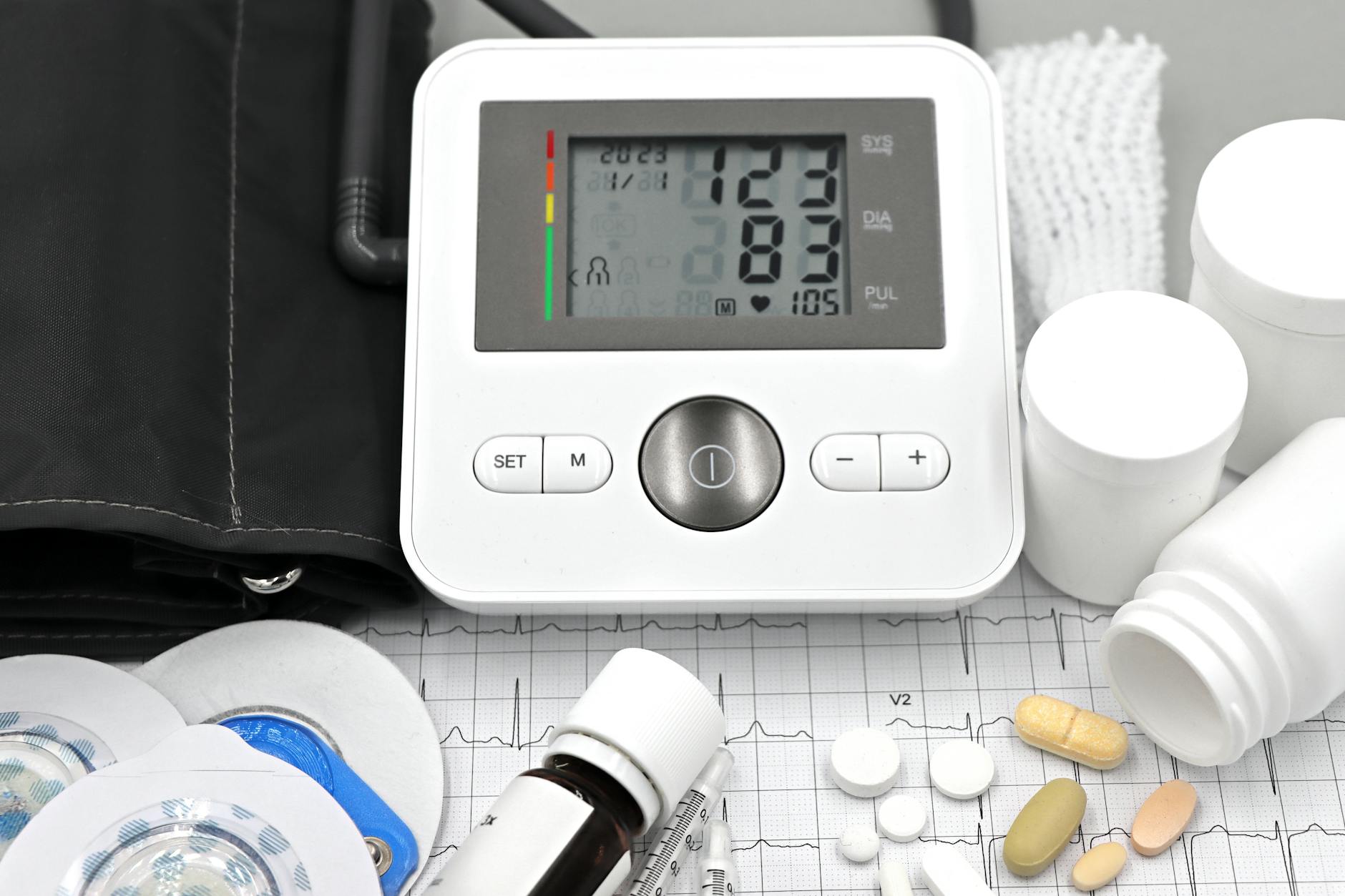
How to Actually Achieve and Maintain Blood Pressure Control for Brain Health
Blood pressure management involves multiple strategies layered together. For most people, this means medication plus lifestyle changes: regular aerobic exercise (150 minutes weekly appears optimal), dietary modification (DASH diet reducing sodium and increasing potassium), weight loss if overweight, stress management, and limiting alcohol. Medication alone without lifestyle changes typically requires higher doses and is less effective at long-term cardiovascular and cognitive protection. Many people find that gradual lifestyle change allows them to use lower medication doses or eventually reduce medications entirely. The intensity of control matters. Standard treatment targets systolic pressure around 140 mm Hg; intensive treatment targets 120 mm Hg or below.
Intensive control carries slightly higher risk of side effects like dizziness or falls in older adults, particularly those with diabetes or kidney disease. This is where the limitation comes in: intensive control isn’t appropriate for everyone. Your physician needs to assess your age, other health conditions, ability to tolerate medications, and life expectancy. A 35-year-old with newly diagnosed hypertension is an excellent candidate for intensive control with decades of cognitive benefit ahead. An 88-year-old with multiple comorbidities might experience more harm than benefit. The key is informed discussion with your doctor about your individual risk-benefit profile.
Blood Pressure Variability and Hidden Cognitive Risks Most People Miss
Even people whose average blood pressure is controlled can develop problems if their pressure fluctuates wildly—spiking during stress, dropping too low when taking medications, or varying substantially between visits. Recent research suggests that blood pressure variability itself may damage brain vessels independently of average pressure. Someone whose systolic pressure swings between 110 and 160 mm Hg may experience more cognitive decline than someone whose pressure stays steady at 130 mm Hg.
This is important because it means blood pressure management isn’t just about hitting a target number at the doctor’s office—home monitoring and finding medications that provide smooth, stable control throughout the day become important. A warning about over-treatment: While intensive blood pressure control protects the brain, dropping blood pressure too aggressively can impair cerebral blood flow, paradoxically causing cognitive symptoms like difficulty concentrating or memory lapses. This is more common in elderly adults and those with pre-existing cerebrovascular disease. If you start blood pressure medications or intensify treatment and develop new cognitive symptoms, memory problems, or persistent dizziness, this is worth reporting immediately to your physician rather than assuming it’s normal aging.

Lifestyle Factors That Amplify Blood Pressure’s Effect on Brain Health
The DASH diet (Dietary Approaches to Stop Hypertension) was developed specifically to lower blood pressure, but accumulating evidence shows it may offer additional brain protection beyond what blood pressure reduction alone provides. The diet emphasizes vegetables, fruits, whole grains, lean proteins, and low-fat dairy while limiting sodium, red meat, and refined sugars. People who follow DASH and achieve lower blood pressure show better cognitive outcomes than those who achieve similar blood pressure through medication alone, suggesting that the dietary pattern itself provides neuroprotection. One specific example: potassium-rich foods like leafy greens, sweet potatoes, and bananas lower blood pressure naturally while providing nutrients that support healthy neuronal function.
Exercise offers similar compounded benefits. Thirty minutes of moderate aerobic activity most days of the week lowers blood pressure and independently improves cognitive function, increases brain-derived neurotrophic factor (BDNF—a protein essential for brain cell growth), and reduces inflammation throughout the brain. Sleep quality also matters: people with sleep apnea often have resistant hypertension and accelerated cognitive decline. Treating sleep apnea can lower blood pressure and improve cognitive function in ways that go beyond what blood pressure reduction alone achieves.
What Future Blood Pressure Monitoring Technology Means for Brain Health
Home blood pressure monitoring devices are becoming increasingly sophisticated, with some now providing continuous readings or detecting irregular patterns that suggest increased stroke or heart attack risk. As these tools become more precise and accessible, they may allow earlier detection of people whose blood pressure management is suboptimal, creating opportunities for intervention before significant cognitive damage occurs. Some emerging research explores whether certain medications that control blood pressure may have additional neuroprotective properties beyond lowering pressure itself.
This could eventually lead to medications specifically optimized for cognitive protection rather than just cardiovascular targets. The integration of artificial intelligence with health monitoring may eventually allow personalized blood pressure management tailored to your unique vascular and genetic risk factors. Rather than a one-size-fits-all approach, future treatment might involve identifying the specific blood pressure range that optimizes your individual cognitive aging pattern. This remains largely experimental, but it underscores a growing recognition that protecting your brain requires a personalized, sophisticated approach to blood pressure management rather than just hitting population-average targets.
Conclusion
The evidence is now clear: managing your blood pressure is one of the most powerful interventions you can undertake to protect your cognitive future. Studies demonstrate that intensive blood pressure control reduces mild cognitive impairment by 13% and dementia risk by 11% to 15%, with benefits that extend across decades. The specific “10 years of healthy brain function” reflects both the measurable extensions of cognitive health demonstrated in research and the practical reality that someone who maintains controlled blood pressure from midlife through later years experiences a trajectory of cognitive aging that is substantially better preserved than their peers with uncontrolled hypertension.
The path forward is straightforward: know your blood pressure numbers, work with your physician to determine an appropriate treatment target for your individual situation, commit to medication adherence if prescribed, and adopt lifestyle changes that naturally support both blood pressure control and brain health. The investment in blood pressure management now is quite literally an investment in whether you’ll remember your grandchildren’s names, understand your finances, and remain mentally independent decades from now. In the context of dementia prevention and brain health, blood pressure control stands among the most evidence-supported, accessible interventions available.
You Might Also Like
- Research Shows yoga Adds 3 Years of Healthy Brain Function
- Research Shows yoga Adds 3 Years of Healthy Brain Function
- Research Shows walking 30 minutes daily Adds 3 Years of Healthy Brain Function
For more, see National Institute on Aging.