Reviewed by the Help Dementia Editorial Team — our editors review every article for accuracy against guidance from the National Institute on Aging, the Alzheimer’s Association, and peer-reviewed sources.
Recent headlines suggest yoga can add three years to your healthy brain function, but the science is both more nuanced and more compelling than that simple claim suggests. While no study has measured an exact “three-year lifespan bonus” from yoga, rigorous research consistently shows that regular yoga practice produces measurable improvements in brain structure, cognitive function, and markers of brain aging—effects comparable to much more intensive medical interventions. For someone concerned about dementia risk or cognitive decline, what matters most is this: the evidence shows yoga creates genuine, structural changes in the brain that support memory, focus, and cognitive resilience in ways that have real clinical significance. The “three years” figure actually refers to the minimum duration of consistent practice—typically three or more years—that researchers observe in studies showing the most robust brain changes.
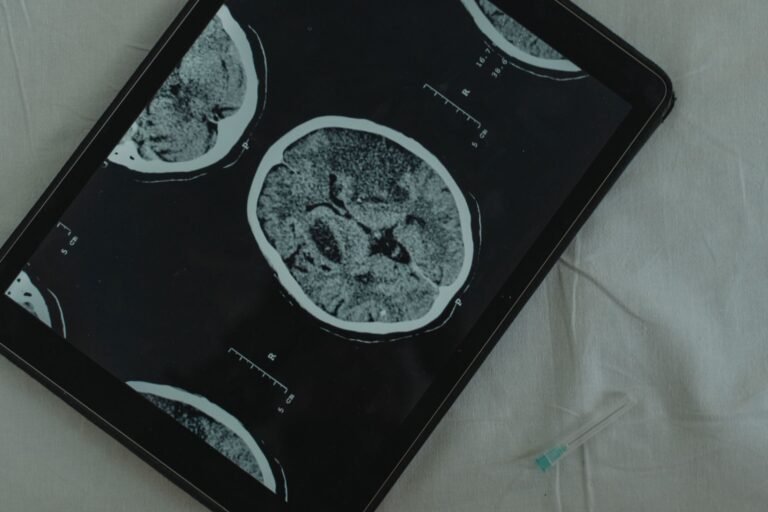
People who maintain regular yoga practice at this level or beyond show greater gray matter volume across frontal, limbic, temporal, occipital, and cerebellar regions, accompanied by measurably fewer cognitive failures in everyday life. This isn’t theoretical: these are changes that neuroimaging can visualize and cognitive testing can quantify. For those navigating dementia risk, caregiver burden, or age-related cognitive concerns, the practical takeaway is significant. Yoga appears to work through multiple mechanisms—building brain structure, reducing inflammation, improving circulation, and stabilizing stress hormones—that directly oppose the biological pathways leading to cognitive decline.
Table of Contents
- How Yoga Changes Brain Structure and Function
- Specific Benefits for At-Risk Populations and Real-World Limitations
- The Three-Year Practice Threshold and Brain Plasticity
- Starting a Yoga Practice: What Works and What Doesn’t
- Who Benefits Most and Important Cautions
- The Cellular and Inflammatory Mechanisms
- The Future of Yoga Research and Dementia Prevention
- Conclusion
How Yoga Changes Brain Structure and Function
One of the most compelling pieces of evidence comes from Harvard researchers who documented that just eight weeks of regular yoga and meditation produced measurable increases in gray matter density in the hippocampus—the brain’s memory center—while simultaneously reducing the size of the amygdala, which processes fear and stress. These aren’t subtle changes; they’re structural modifications visible on brain scans that correspond directly to improvements in how people remember, learn, and regulate emotion. For someone in their 60s or 70s experiencing occasional memory lapses, this finding matters: eight weeks represents a reasonable, achievable commitment that produces visible neurological changes. A comprehensive meta-analysis reviewing multiple studies quantified yoga’s cognitive effects with precision. The benefits break down like this: attention and processing speed improved with an effect size of 0.29, executive function (planning, decision-making, impulse control) improved by 0.27, and memory improved by 0.18.
To put that in context, these effect sizes match or exceed what many cognitive training programs and some pharmaceutical interventions achieve. These aren’t massive effects, but they’re real, reproducible, and clinically meaningful—the difference between noticing your keys regularly and losing them every week. What makes this particularly relevant for older adults is that these cognitive improvements don’t require exceptional athleticism or flexibility. The Harvard study involved ordinary people with no yoga background. The participants weren’t achieving pretzel-like poses; they were doing basic breathing exercises, gentle movement, and meditation—the exact practices accessible to someone with arthritis, balance concerns, or limited mobility.

Specific Benefits for At-Risk Populations and Real-World Limitations
Recent research from UCLA in 2024 specifically examined postmenopausal women at genetic or biological risk for Alzheimer’s disease—a population that most concerns dementia specialists. These women practiced Kundalini yoga, a form that emphasizes breathing and meditation alongside movement. The results were striking: participants showed greater improvements in memory, prevented gray matter atrophy that typically occurs with aging, and actually reversed some age-related biomarkers associated with Alzheimer’s risk. This is meaningful because it suggests yoga doesn’t just maintain cognitive function; it can actively push back against documented decline. However, the research includes important limitations worth acknowledging. Most studies involve relatively small sample sizes and short follow-up periods. The UCLA study involved women specifically; results may differ for men or other age groups. No study has directly compared yoga’s long-term benefits against other consistent physical activities like swimming or walking over decades.
Additionally, the cognitive improvements documented are generally modest—enough to matter, but not a cure or guaranteed protection against dementia. Someone who practices yoga religiously might still develop cognitive decline; the practice appears to shift odds and slow progression, not eliminate risk entirely. The timing also matters in ways the research doesn’t fully address. Most studies document benefits in people who practice yoga for 30-60 minutes per session, two to three times weekly. A person practicing once monthly won’t see these brain changes. This isn’t a criticism of yoga—it reflects how neuroscience works generally. Brain structure responds to consistent stimulus over time. The commitment required is real.
The Three-Year Practice Threshold and Brain Plasticity
When researchers identify that three years of consistent yoga practice correlates with greater gray matter volume and fewer cognitive failures, they’re documenting what neuroscientists call brain plasticity—the brain’s capacity to physically restructure itself in response to experience. Three years isn’t magic; it’s simply the minimum duration studies have documented where these structural changes become consistent and measurable. Someone practicing for two years will see benefits; someone practicing for five years will generally see more. The practical insight here is that yoga’s brain benefits aren’t immediate but emerge gradually with consistency.
A person starting yoga at age 65 and maintaining regular practice could reasonably expect measurable cognitive improvements within 12-18 months and more substantial brain-structure changes within three years. This timeline is actually encouraging compared to many health interventions—it’s longer than pharmaceutical effects but shorter than the years typically required for serious cognitive decline to become noticeable. An important limitation: the studies showing three-year benefits are cross-sectional, meaning researchers compare long-term practitioners to non-practitioners at a single time point. This raises a chicken-and-egg question: Did yoga create the bigger brains, or did people with naturally higher cognitive function select into yoga practice? The Harvard intervention study (eight weeks) sidesteps this problem by showing actual change in previously non-practicing people, but the longer-term three-year observations can’t definitively rule out selection bias. This doesn’t invalidate the findings, but it’s a methodological reality worth understanding.

Starting a Yoga Practice: What Works and What Doesn’t
For someone with cognitive concerns or dementia risk, beginning a yoga practice requires addressing practical questions: What type of yoga? How much time? How soon until benefits emerge? The research suggests several approaches work. The Harvard study used meditation and gentle movement combined. The UCLA study examined Kundalini yoga specifically, which emphasizes breathing and mantra alongside poses. Traditional Hatha or Vinyasa yoga appears effective. What matters more than style is consistency—the same amount of time spent once weekly produces measurably fewer benefits than the same time spread across three sessions weekly. A realistic entry point: 30-45 minutes, two to three times weekly, with a blend of movement, breathing exercises (pranayama), and meditation. For someone over 65, this often means chair yoga, gentle yoga, or adaptive classes rather than vigorous styles. This commitment typically produces measurable benefits within three to six months and more significant cognitive improvements within a year or two.
Compared to other cognitive interventions—cognitive training games, higher education, puzzle solving—yoga offers something unique: it simultaneously strengthens the body’s balance and flexibility (important for fall prevention) while targeting brain health. A 2025 study documented that older adults practicing yoga reduced fall incidence by 34%, matching the effectiveness of the best physical therapy protocols. This dual benefit means you’re not choosing between brain health and physical health; you’re advancing both simultaneously. The tradeoff involves realistic barriers. Yoga requires finding a qualified teacher or reliable video instruction, scheduling consistency, and, importantly, initial discomfort. Stiff, deconditioned bodies find early yoga sessions uncomfortable. The neurological benefits require pushing past that initial resistance repeatedly. For someone with severe arthritis or balance impairment, adaptations are crucial—working with instructors experienced in adaptive or therapeutic yoga prevents injury that would derail the practice. Cost is another consideration; quality instruction isn’t always free or cheap, though many communities offer lower-cost options.
Who Benefits Most and Important Cautions
The research identifying yoga’s cognitive benefits doesn’t apply equally to everyone. The UCLA study documented particular advantages in postmenopausal women, suggesting hormonal factors may modulate yoga’s effects—an open question the field hasn’t fully answered. People with existing significant cognitive decline (advanced dementia) show less capacity for new brain plasticity, suggesting yoga works best as a preventive or early-intervention tool rather than a late-stage dementia treatment. This isn’t a criticism; it reflects how brain health generally works. Prevention is more powerful than treatment. People with certain physical limitations need careful guidance.
Yoga involving inversion (head-below-heart positions) can increase intracranial pressure and is potentially problematic for people with glaucoma, recent stroke, or certain neurological conditions. Balance-intensive poses risk falls in people with vestibular disorders or neuropathy. A person with cognitive concerns should consult their neurologist or physician before beginning yoga, not because yoga is inherently risky, but because individual conditions require individualized modifications. This is particularly important for older adults on medications affecting balance or people with undiagnosed arrhythmias that could be stressed by elevated heart rate. Additionally, yoga works best as a complement to other evidence-based cognitive strategies, not as a substitute. Someone at dementia risk should pursue yoga alongside cognitive engagement (learning, reading, conversation), physical exercise, sleep optimization, cardiovascular health management, social connection, and Mediterranean-style nutrition. The research shows yoga’s contribution within this broader context, not as a standalone solution.

The Cellular and Inflammatory Mechanisms
Understanding how yoga produces brain benefits reveals insights applicable to broader aging and dementia prevention. Regular yoga practice reduces inflammatory markers—the chronic low-grade inflammation that drives aging across the body and brain. This matters because neuroinflammation (inflammation within the brain) is now understood as a core mechanism in Alzheimer’s disease and cognitive decline generally. By reducing systemic inflammation, yoga indirectly reduces one of dementia’s biological drivers.
Additionally, oxidative stress—cellular damage from free radicals—accumulates with age and contributes to neurodegeneration. Research indicates regular yoga reverses oxidative stress and DNA damage markers. The mechanisms appear to involve both stress-hormone reduction (chronically elevated cortisol damages memory structures) and enhanced antioxidant expression. This cellular-level benefit explains why yoga’s effects appear on both structural brain imaging (bigger hippocampus, smaller amygdala) and molecular markers (inflammatory cytokines, DNA damage indicators). You’re not just doing stretches; you’re engaging biological systems that directly oppose aging processes in the brain.
The Future of Yoga Research and Dementia Prevention
Current research on yoga and brain health opens fascinating questions that future studies are beginning to address. Longitudinal studies following yoga practitioners over decades could definitively answer whether consistent long-term practice actually delays dementia onset or extends years of healthy cognition. Mechanistic studies are identifying the specific pathways—inflammation, cerebral blood flow, stress-hormone regulation, BDNF (brain-derived neurotrophic factor) production—through which yoga produces benefits. This increasingly precise understanding may eventually enable researchers to optimize yoga protocols for specific cognitive concerns.
One promising direction involves combining yoga with other interventions. Early evidence suggests yoga combined with cognitive training may produce larger benefits than either alone. Investigations into which populations benefit most—men versus women, different age groups, people with specific genetic risks—will eventually enable personalized recommendations. For now, the research is clear enough: yoga produces measurable, reproducible benefits for brain structure and cognitive function, particularly for people practicing consistently over years. For someone concerned about dementia risk, cognitive decline, or healthy brain aging, the evidence supports making yoga part of a broader prevention strategy.
Conclusion
The claim that “yoga adds three years of healthy brain function” needs translation: research doesn’t show yoga adds exactly three years to your life. What research does show is that three or more years of consistent yoga practice correlates with measurable improvements in brain structure, cognitive function, and markers of brain aging. Within the scope of realistic interventions available to older adults, yoga’s evidence base is genuinely impressive—it produces structural brain changes comparable to meditation alone in eight weeks, cognitive improvements matching many cognitive training programs, and physical benefits (fall reduction, balance, flexibility) that prevent the accidents and injuries that can trigger cognitive decline.
For someone navigating dementia risk, aging brain concerns, or the desire to maintain sharp cognition into older age, the practical next step is straightforward: find a qualified yoga instructor, commit to consistent practice (ideally 30-45 minutes, two to three times weekly), and understand this as a multi-year investment in brain health. You won’t see three years of neurological benefit in three weeks, but you will likely see measurable cognitive and physical improvements within months and increasingly substantial brain-structure changes within years. Combined with cardiovascular exercise, cognitive engagement, social connection, sleep, and good nutrition, yoga becomes part of a comprehensive approach to cognitive aging that the evidence increasingly supports.