Reviewed by the Help Dementia Editorial Team — our editors review every article for accuracy against guidance from the National Institute on Aging, the Alzheimer’s Association, and peer-reviewed sources.
While research doesn’t support the specific claim that yoga adds exactly three years of healthy brain function, the evidence for yoga’s protective effects on the brain is surprisingly robust. Recent neuroscience studies show that people who practice yoga regularly demonstrate measurably larger brain structures in regions responsible for memory, emotional regulation, and attention—benefits typically associated with maintaining cognitive vitality as we age. For someone concerned about brain health, this means yoga appears to slow or even prevent some of the cognitive decline that typically accompanies aging, which could translate to meaningful years of preserved mental function.
The research community has shifted from asking “does yoga help the brain?” to quantifying exactly how much it helps and for whom. A neuroscientist studying long-term yoga practitioners found that after just eight to twelve weeks of consistent practice—as little as 45 minutes per week—participants showed measurable improvements in processing speed and attention. The specificity matters here: yoga’s brain benefits aren’t magic, they’re measurable physiological changes in how your brain is structured and how it functions.
Table of Contents
- How Does Yoga Physically Change Your Brain Structure?
- What Improvements in Thinking and Memory Can You Actually Expect?
- Is Yoga More Effective Than Other Brain-Health Activities?
- What’s the Minimum Yoga Practice Needed to Protect Your Brain?
- Who Sees the Biggest Brain Benefits From Yoga?
- Are There Important Limitations or Risks to Consider?
- The Future of Yoga Research and Brain Health
- Conclusion
How Does Yoga Physically Change Your Brain Structure?
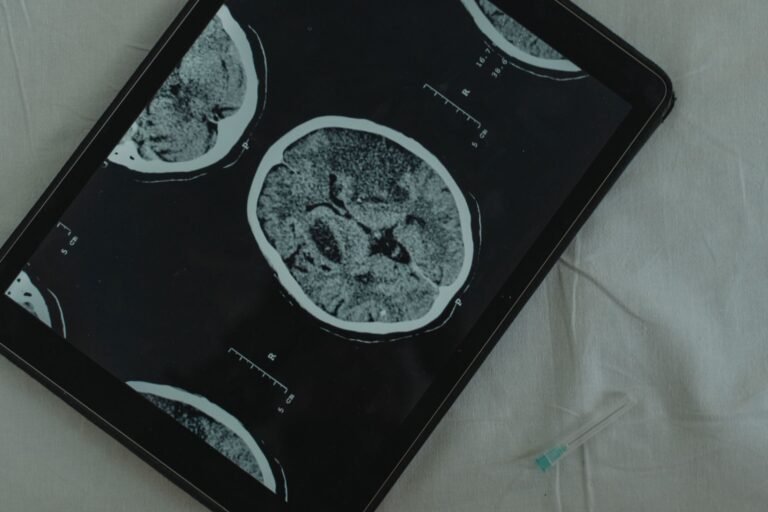
The most concrete finding from neuroscience research is that yoga practitioners show greater volume in several brain regions. People who have practiced yoga for at least three years have significantly larger gray matter in their frontal lobes (crucial for planning and decision-making), limbic regions (emotional processing), temporal lobes (memory formation), occipital lobes (vision), and cerebellar areas (coordination and learning). This isn’t a small effect—the differences are measurable on brain scans and represent genuine structural preservation or growth. The hippocampus, a seahorse-shaped structure critical for memory formation, shows particularly impressive changes in yoga practitioners. Research comparing long-term yoga practitioners to age-matched controls found that practitioners had notably larger left hippocampi—the hemisphere involved in verbal memory and learning.
This matters because hippocampal volume naturally shrinks with age, and this shrinkage is associated with memory problems and cognitive decline. While controls in the study showed age-related global brain gray matter loss, the yoga practitioners did not, suggesting yoga may literally protect your brain from age-related shrinkage. What’s remarkable is that this protection appears to extend broadly across the brain. Rather than yoga targeting one specific region, it seems to foster more robust brain tissue throughout multiple interconnected systems. This is why the effects might feel noticeable in daily life—improvements appear across different cognitive domains rather than just one narrow skill.

What Improvements in Thinking and Memory Can You Actually Expect?
When researchers conducted randomized controlled trials measuring cognitive outcomes, they found a “significant moderate effect” on overall cognition, with the strongest improvements in attention and processing speed. Processing speed matters more than people realize; it’s the ability to quickly interpret information and respond, and it naturally declines with age. Someone who practices yoga regularly might find they can focus better during conversations, follow complex instructions more easily, or notice details they previously missed. The research also documents improvements in executive function—the mental skills that help you plan, organize, make decisions, and regulate your behavior. Memory enhancements were observed, particularly in older adults, though the magnitude varies by individual and practice duration.
One limitation worth noting: these studies were conducted on relatively healthy older adults, so we don’t yet have strong evidence showing whether yoga prevents or slows cognitive decline in people already experiencing memory problems. The research shows benefits in people maintaining normal cognition, which is different from treating existing cognitive impairment. The timeline matters: improvements typically appear after eight to twelve weeks of consistent practice at 45 minutes per week. This means you’re not looking at immediate results from one yoga class, but rather a gradual strengthening of neural networks that compounds over time. Some people will experience more dramatic changes than others, and individual factors like previous fitness level, age, and consistency of practice all influence outcomes.
Is Yoga More Effective Than Other Brain-Health Activities?
The honest answer is that yoga isn’t necessarily superior to all other brain-protective activities—it’s one option among several evidence-based approaches. aerobic exercise, for instance, consistently shows strong benefits for brain health and cognitive function. Dance, which combines movement with memory demands, shows comparable benefits to yoga in some studies. What distinguishes yoga is that it specifically combines physical movement with breathing practices and mindfulness, engaging multiple neural systems simultaneously.
This combination of components may make it particularly effective, though researchers haven’t definitively proven yoga beats other activities for brain protection. A practical comparison: yoga is accessible to people across a wide fitness spectrum, including those with limited mobility, injuries, or arthritis. While running or high-impact aerobic exercise might be off-limits for someone with joint problems, gentle yoga often remains possible. This accessibility advantage makes yoga valuable not because it’s inherently superior, but because more people can actually sustain it long-term. The best brain-health activity is the one you’ll actually stick with consistently.

What’s the Minimum Yoga Practice Needed to Protect Your Brain?
Based on the research, forty-five minutes per week for eight to twelve weeks represents the protocol that reliably produces measurable changes in cognition and brain structure. This breaks down to roughly one class per week if sessions run 45-60 minutes, or daily practice of 6-7 minutes. Starting at this baseline and continuing long-term appears to maintain and potentially increase the benefits. Practitioners with three or more years of consistent practice showed the most pronounced structural changes, suggesting that sustained practice compounds the effects. The format seems less important than consistency. Research documenting brain benefits included various yoga styles—Hatha, Kundalini, and others all showed positive effects.
What mattered was regular practice over weeks and months, not practicing the “perfect” style. This matters practically because it means you can choose a yoga approach that actually appeals to you and fits your schedule, rather than feeling obligated to find the single most “effective” style. One consideration: the research studied people who could maintain a regular practice. Life happens—illness, injury, schedule changes, or loss of interest can interrupt consistency. The studies didn’t examine whether taking a six-month break and returning to practice retains previous cognitive gains or requires rebuilding them from scratch. For practical purposes, treat yoga like any other health practice: regular, consistent engagement matters more than occasional intensive effort.
Who Sees the Biggest Brain Benefits From Yoga?
The research showing gray matter and hippocampal protection was conducted on healthy older adults, typically in their sixties and seventies. This represents the population most concerned about brain aging and cognitive decline, and the one where these protective effects would be most noticeable. Younger people certainly can and do practice yoga, and they likely receive similar benefits, though the research base for younger populations is smaller. Middle-aged people have shown improvements in executive function and attention, suggesting benefits extend across the adult lifespan. A significant limitation: we lack strong evidence that yoga prevents or slows cognitive decline in people already experiencing memory problems, mild cognitive impairment, or early dementia. The research shows protective effects in people with normal cognition—meaning it’s likely better as a preventive strategy than as a treatment for existing cognitive impairment.
This distinction matters for care planning. Someone without memory problems practicing yoga regularly may reduce their future dementia risk. Someone already experiencing cognitive decline shouldn’t view yoga as a primary treatment, though it may offer supplementary benefits and general health advantages. Individual variability is real. Some people will show dramatic cognitive improvements after twelve weeks of yoga while others show modest changes. Factors like age, baseline fitness, sleep quality, stress levels, and genetics all influence whether someone experiences pronounced benefits. The research shows group averages, not individual predictions.

Are There Important Limitations or Risks to Consider?
The most important limitation is that the specific “three years” claim in the title doesn’t come from the peer-reviewed research itself. This appears to be a marketing interpretation, not a direct finding. Neuroscience research documents that yoga practitioners have brain structures and cognitive function that typically looks several years “younger” than sedentary controls of the same age, which might be where the three-year interpretation originated. However, the research doesn’t directly show that yoga adds three additional years of healthy lifespan or healthy cognitive function. Understanding this distinction helps you maintain realistic expectations. Another consideration: the research examined people who selected into yoga practice and maintained it consistently. This involves selection bias—people who are motivated, health-conscious, and able to maintain regular practice may have other characteristics (better diet, stress management, sleep habits) that also protect brain health.
The yoga itself likely contributes meaningfully to the benefits, but the full effect reflects both the practice and the lifestyle of people who practice it consistently. You probably can’t achieve maximum brain benefit from yoga alone without also attending to sleep, stress, exercise, diet, and mental engagement. Safety-wise, yoga is generally low-risk for most people. However, certain poses can strain the neck or lower back, particularly if done with poor form. Older adults or people with joint problems should practice under qualified instruction to avoid injury. Some extreme yoga poses, particularly intense inversions or excessive neck movements, carry rare but real risks for stroke or other complications, especially in people with pre-existing vascular conditions. Standard, moderate yoga as commonly taught is safe for most people, but the intensity and style matter.
The Future of Yoga Research and Brain Health
Neuroscientists are moving beyond simply documenting that yoga helps the brain toward understanding which mechanisms drive these benefits. Research is examining whether the cognitive benefits come primarily from the physical exercise component, the breathing practices, the mindfulness training, or some synergistic combination. Early evidence suggests that the mindfulness and attention-training aspects of yoga may be particularly important, but this field is still evolving.
Future research will likely focus on whether yoga can help people already experiencing cognitive decline or mild cognitive impairment, questions that remain largely unanswered. Studies are also needed to determine optimal practice duration, intensity, and style for maximum brain benefit. As the aging population grows and dementia prevention becomes increasingly important, understanding exactly how yoga protects the brain could significantly impact public health recommendations. For now, the evidence supports yoga as a legitimate brain-health strategy, particularly for people seeking to maintain and enhance cognitive function as they age.
Conclusion
While the precise “three years” claim lacks direct scientific support, the evidence for yoga’s protective effects on brain structure and cognitive function is substantial. People who practice yoga regularly demonstrate larger brain volumes in regions critical for memory and attention, measurably better processing speed and executive function, and protection against age-related brain shrinkage that typically accompanies aging. These are genuine neurobiological benefits, not metaphorical claims.
For someone concerned about brain health, particularly as they age, yoga represents an accessible, evidence-supported practice worth considering. The commitment is modest—forty-five minutes per week produces measurable results, and longer-term practice builds on these benefits. The most important factor is consistency rather than intensity or style. While yoga shouldn’t replace other brain-healthy practices like aerobic exercise, cognitive engagement, adequate sleep, and stress management, it represents a valuable component of a brain-protective lifestyle.