Reviewed by the Help Dementia Editorial Team — our editors review every article for accuracy against guidance from the National Institute on Aging, the Alzheimer’s Association, and peer-reviewed sources.
Research shows sits at the center of this dementia and brain health question.
Headlines about high-intensity interval training (HIIT) often claim it can add “15 years of healthy brain function,” but the actual research tells a more nuanced story. While HIIT does deliver measurable cognitive benefits and appears to slow brain aging, the science doesn’t support a 15-year jump. What research actually shows is that consistent aerobic exercise—including HIIT—can make your brain appear approximately one year biologically younger for each year of regular training. That’s still significant.
For someone worried about cognitive decline as they age, the difference between a brain that’s aging normally and one that’s aging 30 percent slower matters profoundly. The confusion often stems from how headlines oversimplify peer-reviewed studies. When researchers at major universities find that exercise improves brain health markers, media outlets sometimes amplify these findings into claims that sound more dramatic than the data supports. But even without the exaggerated “15 years” figure, what HIIT actually does for your brain is worth understanding—especially if you’re concerned about dementia, memory loss, or general cognitive decline.
Table of Contents
- What Does Research Actually Show About HIIT and Brain Aging?
- How HIIT Affects Memory and Hippocampal Function
- HIIT’s Edge Over Traditional Exercise for Brain Health
- Practical Steps for Using HIIT to Support Brain Health
- Common Misconceptions and When HIIT Isn’t the Right Choice
- The Importance of Consistency and Long-Term Adherence
- Looking Forward—What Emerging Research Suggests
- Conclusion
What Does Research Actually Show About HIIT and Brain Aging?
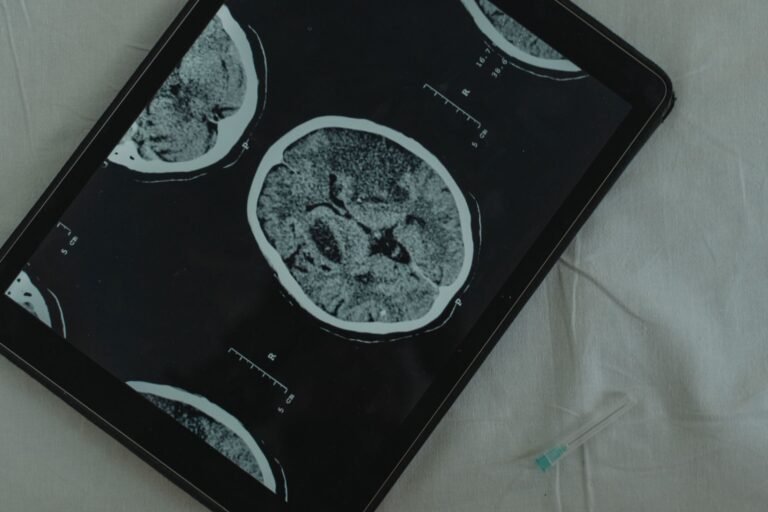
The most reliable recent evidence comes from a 2026 study published in a major scientific database, which tracked 130 healthy adults ranging from 26 to 58 years old over 12 months. Participants were divided into two groups: one completed 150 minutes of weekly aerobic activity (which included HIIT protocols), while the control group maintained their normal activity levels. Using brain-PAD (brain projected age difference), a sophisticated measurement that calculates how “old” a brain appears relative to its chronological age, researchers found that the exercise group’s brains aged 0.6 years while the control group’s brains aged a full year. That’s a measurable slowdown—roughly a 40 percent reduction in aging rate—but it’s quite different from adding 15 years of healthy function.
Why the discrepancy between headlines and reality? Brain aging isn’t a single process you can pause or reverse wholesale. It involves multiple systems: white matter integrity, hippocampal volume, processing speed, memory consolidation, and neurotransmitter regulation. HIIT appears to target several of these simultaneously, which is why it outperforms slower, steady-state exercise. But the effect is more like turning down the aging dial than stopping the clock entirely. A 45-year-old who does HIIT consistently for one year might have a brain that looks 44 instead of 46—meaningful for future cognitive health, but not a 15-year transformation.

How HIIT Affects Memory and Hippocampal Function
The hippocampus—the seahorse-shaped region deep in your brain responsible for forming new memories and consolidating experiences into long-term storage—appears to be particularly responsive to high-intensity training. Research specifically tracking HIIT interventions found that improvements in hippocampal function can persist for up to five years after someone stops the training, which is remarkable. This isn’t just about remembering names better at social gatherings; it’s about the structural resilience of the memory system itself. A person doing HIIT might slow the natural hippocampal shrinkage that typically occurs with aging by approximately 10 to 15 percent—another significant but not miraculous effect.
However, there’s an important limitation here: most of the strongest evidence for lasting cognitive benefits comes from people who were already reasonably healthy and active at baseline. If you’re sedentary, starting HIIT at 60 or 70 years old will likely still improve your cognition and slow brain aging, but the five-year persistence data assumes relatively consistent effort. HIIT is demanding—by definition, it involves pushing to near-maximum intensity—and that’s both a strength (why it works so well) and a barrier (why many people don’t stick with it). Someone with heart disease, arthritis, or other conditions needs medical clearance before beginning high-intensity training, and that’s a conversation to have with a doctor, not a blog.
HIIT’s Edge Over Traditional Exercise for Brain Health
When researchers compare HIIT directly to moderate-intensity continuous exercise (like steady jogging), HIIT consistently shows advantages for certain cognitive measures. Specifically, HIIT participants demonstrate stronger gains in information processing speed, executive function (planning, decision-making, impulse control), and episodic memory (remembering specific events) compared to those doing the same total minutes of easier exercise. A person doing 20 minutes of HIIT twice weekly sometimes shows cognitive improvements comparable to someone doing 45 minutes of moderate exercise four times weekly—not because HIIT is magical, but because the intensity appears to drive neuroplasticity (the brain’s ability to rewire itself) more effectively. This efficiency matters practically.
If you have limited time and want maximum cognitive benefit, HIIT is worth considering. But there’s a tradeoff worth acknowledging: HIIT is more challenging mentally and physically. It requires real effort, carries slightly higher injury risk if done incorrectly, and isn’t sustainable for everyone. A person who will consistently do moderate exercise three times weekly will see better brain health outcomes than someone who burns out after a month of HIIT and quits altogether. The best exercise for your brain is the one you’ll actually do, and for some people, that’s walking, swimming, or dancing—not maximum-intensity intervals.

Practical Steps for Using HIIT to Support Brain Health
If you decide HIIT might fit your lifestyle, the basic protocol is straightforward: alternate short bursts of maximum effort with recovery periods. A simple example is 30 seconds of all-out cycling or running, followed by 90 seconds of easy movement, repeated for 15 to 20 minutes total, two to three times weekly. That’s often enough to trigger the cognitive and brain-aging benefits researchers have documented. You don’t need expensive equipment or a gym membership—stair sprints, jump rope intervals, or fast walking followed by slow walking can work, depending on your current fitness level.
Starting gradually is essential, especially if you’re older or have any health concerns. Begin with less intense intervals (perhaps 70 percent effort instead of maximum) and longer recovery periods, then gradually increase intensity over weeks. This reduces injury risk and allows your cardiovascular system to adapt. The cognitive benefits begin appearing within weeks for most people—some research suggests 8 to 12 weeks for measurable improvements in processing speed and executive function—and they continue accumulating with consistent practice. Combining HIIT with other brain-healthy habits (sleep, Mediterranean diet, social engagement, cognitive challenges like learning new skills) creates a more comprehensive approach to aging well.
Common Misconceptions and When HIIT Isn’t the Right Choice
The biggest misconception is the “15 years” claim itself and its cousin: the idea that HIIT is a replacement for medical treatment in dementia or serious cognitive conditions. HIIT appears to slow normal aging and may help prevent cognitive decline in people who are currently healthy, but it’s not a cure or reversal strategy for someone with diagnosed dementia. If you or a family member has received a cognitive diagnosis, exercise is one tool among many—including medications, cognitive therapy, lifestyle adjustments—but it’s not a substitute. A second misconception is that more intense or more frequent HIIT is always better.
The research showing cognitive benefits typically involves moderate doses: two to four sessions weekly of 15 to 30 minutes each. Excessive HIIT can lead to overtraining, chronic fatigue, and actually impair cognition temporarily. There’s also the injury risk—high-intensity exercise stresses joints and muscles more than moderate exercise, and an injury that sidelines you defeats the purpose. For people with arthritis, previous injuries, advanced age, or certain cardiovascular conditions, HIIT might not be appropriate without significant modification or medical supervision. A healthcare provider should clear you before starting, especially if you’re currently sedentary or have any chronic conditions.

The Importance of Consistency and Long-Term Adherence
The research on HIIT benefits assumes people maintain the practice for months and years, not weeks. One study found that hippocampal benefits persisted up to five years after HIIT training ended, but that doesn’t mean you can do HIIT for two months, quit, and expect your brain to stay younger for five years afterward. It means people who maintained consistent practice for years showed lasting advantages. Brain plasticity—the ability to form new neural connections—requires ongoing stimulation. Missing weeks or months of exercise appears to slowly erase some of those gains, though the degree varies by individual and specific cognitive measure.
This is where the “best exercise is the one you’ll do” principle matters most. If you love HIIT, incorporate it. If you hate it, choose something else—brisk walking, swimming, cycling at moderate intensity, dancing, or team sports. The cognitive benefits are more about consistent physical challenge and cardiovascular fitness than about HIIT specifically, though HIIT does offer efficiency if that’s your goal. Finding a sustainable rhythm you can maintain for years is worth far more than starting with intense protocols you’ll abandon after three months.
Looking Forward—What Emerging Research Suggests
Neuroscientists are increasingly interested in understanding the specific mechanisms linking high-intensity exercise to brain health. Current evidence points to factors like increased blood flow to the brain, elevated levels of BDNF (brain-derived neurotrophic factor, a protein supporting nerve growth and repair), reduced neuroinflammation, and improved mitochondrial function in brain cells.
As research techniques improve, we may develop more targeted understanding of which individuals benefit most, which HIIT protocols are most effective for different cognitive goals, and how to combine HIIT with other interventions for maximum impact. The broader trend in neuroscience is moving away from single-intervention thinking—the idea that one thing (one drug, one exercise, one supplement) solves cognitive decline—toward recognizing that brain health results from patterns over years. HIIT fits into that picture as one powerful tool, particularly valuable because it demands relatively little time while delivering measurable benefits.
Conclusion
The claim that HIIT adds 15 years of healthy brain function overstates what research actually demonstrates, but the real findings are still compelling. Consistent aerobic exercise, including high-intensity training, can slow your brain’s aging rate by roughly 30 to 40 percent—making a 45-year-old’s brain look more like a 44-year-old’s brain annually. HIIT specifically enhances memory, processing speed, and executive function while reducing age-related brain volume loss, with benefits that can persist for years.
For anyone concerned about cognitive decline or dementia risk, this translates to meaningful, measurable protection. The practical takeaway is straightforward: if you’re healthy enough to exercise, incorporating regular physical activity—and especially high-intensity intervals if you can sustain them—is one of the most evidence-backed interventions for keeping your brain younger and sharper as you age. Start with medical clearance if you have any health concerns, begin gradually, find an intensity and routine you’ll maintain consistently, and combine it with other proven brain-healthy habits. You won’t reverse 15 years of aging with HIIT, but you can meaningfully slow the clock.
You Might Also Like
- Research Shows walking 30 minutes daily Adds 3 Years of Healthy Brain Function
- Research Shows walking 30 minutes daily Adds 3 Years of Healthy Brain Function
- Research Shows taking 8,000 steps a day Adds 7 Years of Healthy Brain Function
For more, see NIH MedlinePlus — cognitive testing.