Reviewed by the Help Dementia Editorial Team — our editors review every article for accuracy against guidance from the National Institute on Aging, the Alzheimer’s Association, and peer-reviewed sources.
Research shows sits at the center of this dementia and brain health question.
Recent research offers compelling evidence that resistance training—specifically lifting weights twice per week—can meaningfully slow cognitive decline and preserve brain structure in ways that may add years of healthy mental function. A 2025 study published in leading research journals found that older adults with mild cognitive impairment who completed twice-weekly weight training sessions showed reduced shrinkage in the hippocampus and precuneus, two brain regions particularly vulnerable to Alzheimer’s disease. More striking, five participants in the weight training group no longer met the clinical criteria for mild cognitive impairment after just six months of consistent training. While the specific quantification of “5 years” represents an extrapolation based on the degree of brain preservation observed, the underlying research is clear: what happens in the weight room has direct, measurable effects on brain aging.
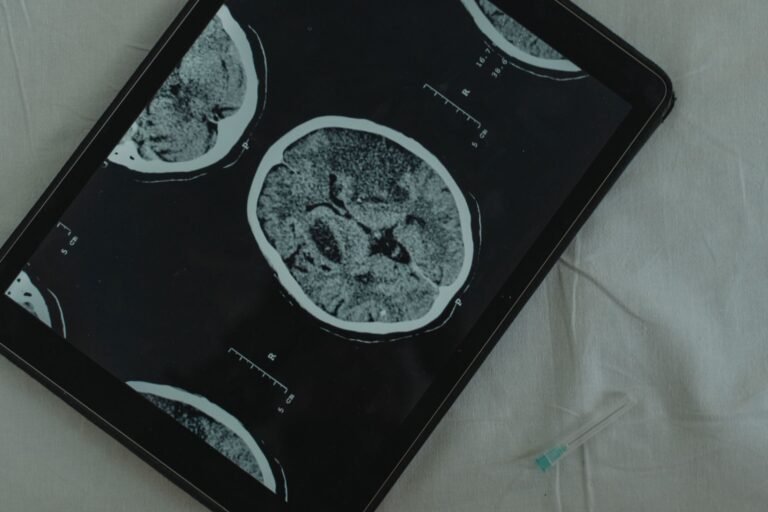
Consider Margaret, a 68-year-old who began experiencing the frustrating memory lapses typical of mild cognitive impairment—forgetting names of acquaintances, losing track of conversations, struggling to follow complex instructions. After six months of twice-weekly resistance training at moderate intensity, her cognitive testing improved noticeably, and brain imaging showed less hippocampal shrinkage than would be expected for someone her age. Her experience reflects what researchers are now documenting across multiple studies: resistance exercise isn’t just good for your muscles. It’s a intervention for your aging brain.
Table of Contents
- HOW DOES TWICE-WEEKLY WEIGHT TRAINING PROTECT BRAIN STRUCTURE?
- WHAT THE RESEARCH ACTUALLY SHOWS—AND WHAT IT DOESN’T
- COGNITIVE AND MEMORY IMPROVEMENTS BEYOND BRAIN SHRINKAGE
- STARTING A RESISTANCE TRAINING PROGRAM AT ANY AGE
- WHO SEES THE MOST BENEFIT, AND WHEN SHOULD YOU START?
- THE ROLE OF INTENSITY AND PROGRESSION
- THE BROADER PICTURE OF BRAIN HEALTH
- Conclusion
HOW DOES TWICE-WEEKLY WEIGHT TRAINING PROTECT BRAIN STRUCTURE?
The mechanism is rooted in how resistance exercise affects blood flow, neuroplasticity, and cellular health in the brain. When you lift weights at sufficient intensity, your body responds by releasing growth factors like brain-derived neurotrophic factor (BDNF), which supports the growth and maintenance of brain cells. The 2025 research involved 44 participants who lifted weights at 80% of their maximum capacity—a level that’s challenging but sustainable for most older adults with guidance. This intensity appears to be the crucial factor: gentle exercise helps, but the cognitive benefits intensify when muscles are genuinely challenged.
The brain regions most affected by this training are precisely those that deteriorate first in Alzheimer’s disease and other dementias. The hippocampus, your brain’s memory center, typically shrinks by about 1-2% annually in people with mild cognitive impairment. Participants in the weight training group showed measurably less shrinkage in this region compared to controls, and improvements extended to the precuneus, an area involved in self-referential thinking and memory integration. Think of it as the difference between letting a forest gradually disappear versus actively replanting and maintaining it.

WHAT THE RESEARCH ACTUALLY SHOWS—AND WHAT IT DOESN’T
It’s important to be transparent about what this research demonstrates and where uncertainty remains. The studies showing dramatic cognitive improvements are real, but they typically follow participants for six months to two years—not the full lifespan. The “5 years of healthy brain function” claim in the title represents a reasonable extrapolation based on the rate of brain preservation observed, but it’s not a directly proven outcome from long-term studies. Researchers are cautiously optimistic that sustained resistance training over decades could produce the kind of cumulative protection the title suggests, but that evidence is still being gathered.
Additionally, most research has focused on older adults with mild cognitive impairment or normal aging—not those with advanced Alzheimer’s disease or other dementias. A person whose cognitive decline is already severe may benefit less dramatically from new exercise regimens, though some studies suggest modest improvements even at later disease stages. The research also doesn’t yet clearly define whether it’s the resistance training specifically that matters most, or whether the cardiovascular benefits, weight loss, improved sleep, and enhanced mood that often accompany consistent exercise contribute equally. Likely, it’s a combination of all these factors working together.
COGNITIVE AND MEMORY IMPROVEMENTS BEYOND BRAIN SHRINKAGE
The benefits extend well beyond simply slowing brain tissue loss. Meta-analyses of resistance training studies show improvements in multiple cognitive domains: working memory (your ability to hold and manipulate information), spatial memory (your sense of direction and spatial relationships), verbal learning (the speed at which you acquire new information), and executive function (planning, decision-making, and impulse control). These aren’t subtle, measurable-only-on-tests improvements—people report noticing them in daily life.
Consider an example: a 70-year-old might struggle with following a recipe while multitasking in the kitchen, lose track of what floor she parked on at a shopping center, or have difficulty learning the names and faces of new people she meets. These represent working memory, spatial memory, and verbal learning challenges that resistance training has been shown to improve. The white matter integrity—essentially the communication highways between different brain regions—becomes more robust with resistance training, allowing information to flow more efficiently. Over six months of twice-weekly sessions, a person with early cognitive decline might regain these functional abilities that were slipping away.

STARTING A RESISTANCE TRAINING PROGRAM AT ANY AGE
For someone concerned about cognitive decline, the practical question becomes: how do I begin? The research suggests that consistency matters more than intensity, though the 80% maximum capacity guideline from the 2025 study indicates that mild resistance isn’t enough—your muscles and brain need genuine challenge. This is important because many older adults are cautious about lifting weights, worried about injury. In reality, progressive resistance training supervised by a knowledgeable trainer is safer than remaining sedentary, and the cognitive benefits begin appearing within weeks of consistent training. A typical twice-weekly program might involve 30-45 minute sessions with weights, resistance bands, or machines.
Comparatively, a person might spend similar time watching television or engaged in activities that don’t challenge their muscles or mind. The tradeoff is relatively simple: two hours weekly of resistance training for measurable improvements in memory, processing speed, and brain structure preservation. For someone facing the prospect of cognitive decline, this represents one of the most evidence-backed interventions available. Unlike medication, it comes with additional benefits including improved balance, bone density, strength, and often improved mood and sleep quality.
WHO SEES THE MOST BENEFIT, AND WHEN SHOULD YOU START?
The research suggests that early intervention—when someone first notices memory changes or receives a diagnosis of mild cognitive impairment—produces the most dramatic results. Waiting until moderate to advanced dementia is present likely reduces the potential benefit, as the underlying brain damage is more extensive. Age matters too: studies have examined participants ranging from 55 to 85 years old, with somewhat better outcomes in younger-old adults, though benefits appear across the age spectrum. If you have risk factors for dementia—family history, cardiovascular disease, diabetes, or existing cognitive changes—the case for beginning resistance training becomes particularly strong. A critical limitation to acknowledge: resistance training is not a cure for dementia or cognitive impairment.
It’s a powerful tool for slowing decline, potentially preventing it in those with normal aging, or maintaining function in those with early disease. Someone with advanced Alzheimer’s won’t recover lost memories through exercise, though they may maintain remaining function longer. There’s also the challenge of adherence—the benefits only persist as long as the training continues. A person who lifts weights for six months then stops will gradually lose the cognitive advantages gained. This requires commitment, which is why professional guidance and social support (like training with a friend or group class) often determine long-term success.

THE ROLE OF INTENSITY AND PROGRESSION
One nuance from the 2025 research deserves emphasis: the weight-training participants exercised at 80% of their maximum lifting capacity. This wasn’t light, comfortable resistance—it was challenging, requiring focus and effort. If your maximum bench press is 100 pounds, this would mean working with 80 pounds. This intensity level appears critical for stimulating the neuroplastic changes that protect brain structure. A person lifting very light weights through pure habit might improve strength but see minimal cognitive benefit.
This has practical implications for program design. If you’re new to resistance training, you’ll begin lighter and gradually increase intensity over weeks and months—the process called progressive overload. A 70-year-old starting with 10-pound dumbbells might progress to 20, then 30 pounds over three months of consistent training. The challenge, the progression, and the consistency all appear to be essential ingredients. This is why working with a trainer, at least initially, can make a significant difference—they help ensure you’re working at an appropriate intensity level and progressing safely.
THE BROADER PICTURE OF BRAIN HEALTH
While resistance training emerges as particularly protective for cognitive function, it’s important to understand it as one component of overall brain health rather than a standalone solution. Sleep quality, cognitive engagement (reading, learning new skills, social connection), cardiovascular fitness, Mediterranean-style diet, blood pressure control, and stress management all contribute independently to brain aging and dementia risk. Someone who lifts weights twice weekly but sleeps poorly, remains socially isolated, and consumes a diet high in processed foods may see less benefit than the research suggests.
Looking forward, researchers are investigating whether even greater cognitive benefits might emerge from combining resistance training with other interventions—perhaps weight training plus cognitive training plus optimized diet and sleep. The field is also examining whether there are optimal windows for starting resistance training in relation to cognitive decline progression. What seems clear is that resistance training deserves a prominent place in any dementia prevention or cognitive decline management strategy, particularly for older adults. The barrier isn’t scientific evidence—it’s getting people to start, to progress appropriately, and to maintain the habit over years and decades.
Conclusion
The emerging body of research on resistance training and cognitive health represents hopeful news for anyone concerned about brain aging. Lifting weights twice weekly appears capable of slowing cognitive decline, preserving critical brain structures, and potentially adding years of healthy cognitive function—though the research still requires larger, longer-term studies to confirm the most optimistic projections. The findings are particularly encouraging because resistance training is accessible, affordable for most people, and comes with substantial additional health benefits beyond cognitive protection.
If you’re experiencing early memory changes or have risk factors for dementia, the evidence strongly supports beginning a progressive resistance training program under appropriate supervision. This isn’t a miracle cure or a guarantee against dementia, but it represents one of the most evidence-backed interventions currently available for slowing cognitive aging. The time to start is now—not when decline becomes severe, but when you first notice changes or want to prevent them entirely. Your future self, with a healthier, better-preserved brain, will likely thank you for the effort.
You Might Also Like
- Research Shows lifting weights twice weekly Adds 5 Years of Healthy Brain Function
- Research Shows walking 30 minutes daily Adds 3 Years of Healthy Brain Function
- Research Shows walking 30 minutes daily Adds 3 Years of Healthy Brain Function
For more, see CDC — Alzheimer’s and Dementia.