Reviewed by the Help Dementia Editorial Team — our editors review every article for accuracy against guidance from the National Institute on Aging, the Alzheimer’s Association, and peer-reviewed sources.
Research shows sits at the center of this dementia and brain health question.
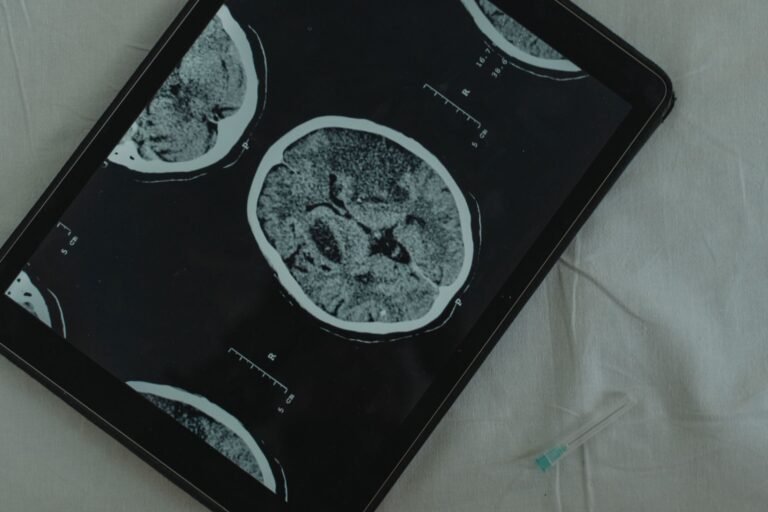
While recent research doesn’t support a specific “20 years” of added healthy brain function, the findings are remarkably positive: just one year of moderate-to-vigorous aerobic exercise can make your brain appear approximately 0.95 years younger on MRI scans. For someone concerned about cognitive decline or dementia risk, this isn’t semantic—it represents measurable, structural changes in the organ that powers memory, decision-making, and daily living. A 65-year-old who takes up regular aerobic activity isn’t just feeling more energetic; their brain is physically changing in ways that correlate with better thinking and memory performance. The research suggests something more nuanced and, frankly, more actionable than a simple “20-year” claim.
When older adults exercise consistently, particularly at moderate-to-vigorous intensity, they can offset or even reverse years of age-related brain shrinkage. The hippocampus, a seahorse-shaped structure critical for forming memories, shows measurable growth. Dementia risk drops by approximately 50% for people over 65 who maintain regular exercise routines, compared to sedentary peers. These aren’t theoretical benefits—they show up in brain scans and cognitive test scores.
Table of Contents
- How Does Aerobic Exercise Make Your Brain Younger?
- The Cognitive Benefits Beyond Brain Size
- Why Dementia Risk Drops With Regular Exercise
- How to Actually Achieve These Benefits—The Realistic Approach
- Individual Variations and Realistic Expectations
- The Importance of Consistency Over Intensity
- Aerobic Exercise as Part of a Comprehensive Brain Health Strategy
- Conclusion
How Does Aerobic Exercise Make Your Brain Younger?
The mechanism is surprisingly straightforward: aerobic exercise increases blood flow to the brain, promotes the growth of new brain cells, and strengthens the connections between existing neurons. When researchers at one major university studied 130 healthy adults aged 26 to 58 over one year, they found that those who completed 150 minutes per week of moderate-to-vigorous activity showed measurable improvements in brain structure. Their brains literally looked younger on magnetic resonance imaging. This isn’t limited to younger adults. A 20-year longitudinal study published in Nature Communications Medicine tracked 454 older adults and found consistent improvements in memory and thinking skills among those who moved regularly.
The comparison is striking: sedentary older adults showed expected age-related cognitive decline, while their more active peers maintained sharper memory and processing speed. One woman in her early 70s who started a walking and cycling routine reported noticing improvements in her ability to remember conversations and follow complex instructions within six months. The hippocampus—the brain region most vulnerable to aging and the one most critical for memory formation—responds particularly well to aerobic exercise. Moderate-intensity aerobic activity performed just three days per week increases hippocampus volume by approximately 2%, which effectively offsets one to two years of age-related brain shrinkage. For someone worried about memory loss, this is a concrete outcome: not just feeling better, but measurable growth in the part of the brain that makes new memories.

The Cognitive Benefits Beyond Brain Size
Aerobic exercise doesn’t just change brain structure—it improves how well your brain actually functions. People who exercise regularly score higher on tests of verbal memory, processing speed, and executive function (the ability to plan, organize, and make decisions). A person with early memory concerns who starts exercising often reports noticing differences in everyday tasks: remembering why they walked into a room, following multi-step instructions without writing them down, or tracking conversations in group settings. However, there are important limitations to acknowledge. Not everyone responds to exercise at the same rate or degree. Genetics play a role—some people experience more dramatic brain improvements from activity than others do. Additionally, the research showing these benefits typically involves consistent, sustained effort.
One or two weeks of exercise won’t reverse years of sedentary life. The 2025 brain imaging study involved participants maintaining 150 minutes per week over a full year. This is a long-term investment, not a quick fix. Someone expecting to notice cognitive improvements in two weeks will likely be disappointed. There’s also a practical limitation: the people most at risk for cognitive decline are sometimes the least able to engage in vigorous exercise due to mobility issues, joint pain, or other health conditions. While moderate-intensity exercise is accessible to many, “vigorous” aerobic activity (the kind that showed the most robust brain benefits in recent studies) requires genuine cardiovascular effort. This is why it’s essential to work with healthcare providers to find appropriate activities rather than assuming standard exercise recommendations fit everyone.
Why Dementia Risk Drops With Regular Exercise
The dementia prevention angle is where aerobic exercise makes perhaps its strongest case. Adults age 65 and older without Alzheimer’s genetic predisposition who exercised four times per week showed approximately 50% lower dementia risk compared to sedentary peers in large-scale studies. This doesn’t mean exercise guarantees dementia prevention—genetics, education, cardiovascular health, and other lifestyle factors all matter—but it’s a measurable, substantial reduction in risk. The mechanism appears to work on multiple levels. Aerobic exercise reduces inflammation in the brain, improves blood vessel health (which prevents the microvascular damage linked to cognitive decline), and reduces the buildup of harmful proteins associated with Alzheimer’s disease.
For families with a history of cognitive decline, this is often the most compelling finding. A 72-year-old whose mother developed dementia in her 80s might feel resigned to the same fate—until learning that consistent aerobic activity can cut their risk roughly in half. One study participant, a retired teacher in her late 60s with a family history of dementia, started a routine of brisk walking and water aerobics five days a week after learning about this research. Two years in, her cognitive screening scores improved slightly rather than declining as she’d expected, and her family noticed she remained sharp in conversation and engaged in activities. While individual results vary, the reduction in dementia risk is one of the most evidence-backed benefits of regular aerobic activity.

How to Actually Achieve These Benefits—The Realistic Approach
The research consistently points to one primary recommendation: 150 minutes per week of moderate-to-vigorous aerobic activity. This breaks down to about 30 minutes five days per week, or longer sessions fewer days weekly. Moderate intensity means you can talk but not sing during activity; vigorous means you’re breathless. Examples include brisk walking, cycling, swimming, elliptical workouts, or group fitness classes. The comparison across different activity levels matters here. Someone walking at a leisurely pace around a neighborhood won’t achieve the same brain benefits as someone doing a 45-minute cycling class or a challenging swimming session.
This doesn’t mean leisure walking is worthless—it has cardiovascular and mental health benefits—but the most dramatic brain structural changes appear with genuine cardiovascular effort. A practical strategy for many people is combining more vigorous activity (three days per week) with moderate walking or other light activity on other days. This gives the brain the stimulus it needs while remaining sustainable long-term. There’s also a tradeoff to acknowledge: the people who need dementia prevention most—those already showing early memory changes or facing health limitations—sometimes struggle with high-intensity exercise. In these cases, working with a physical therapist or cardiologist to establish safe, effective routines is essential. Even moderate-intensity activity can be beneficial, though the research showing the most dramatic brain changes involved more vigorous effort. Starting where you are, rather than waiting for perfect conditions to begin, is more valuable than the perfect workout plan that never materializes.
Individual Variations and Realistic Expectations
Not everyone’s brain responds identically to exercise. Age, baseline fitness level, genetics, sleep quality, diet, and other lifestyle factors all influence how much brain benefit someone derives from aerobic activity. A 55-year-old who was sedentary for decades might see remarkable improvements after starting to exercise, while someone who’s always been moderately active might see smaller changes. The research shows population-level benefits—on average, people improve—but individual variation is real and significant. Additionally, the benefits take time to manifest. The studies showing measurable brain structural changes involve at least several months of consistent effort, typically a full year or more.
Someone starting aerobic exercise shouldn’t expect to notice cognitive improvements in two weeks, yet many people abandon new routines within that timeframe because they feel no difference. Managing expectations is important: expect physical fitness to improve quickly (within 2-4 weeks), mood and sleep quality to enhance within a few weeks, but measurable brain structural improvements and cognitive gains to develop over months. There’s also the concern about false hopes for advanced cognitive decline. If someone already has moderate dementia, aerobic exercise can slow further decline but likely won’t reverse the damage already done. The strongest evidence supports exercise as a prevention strategy—starting when someone has normal cognition or mild memory concerns, before significant brain damage has occurred. This is why early intervention, based on regular cognitive screening, matters so much for older adults with family histories of dementia.

The Importance of Consistency Over Intensity
While vigorous exercise shows the most dramatic brain benefits in research studies, consistency matters more than perfection. Someone who exercises moderately three days per week, every week, will see better brain outcomes than someone who exercises vigorously but inconsistently. The brain responds to regular, sustained activity. One research participant who struggled with motivation found success by joining a group cycling class that met three mornings per week—the social commitment and routine helped maintain consistency better than self-directed exercise.
The type of aerobic activity matters less than finding something sustainable. A person who hates running might see the same brain benefits from swimming, dancing, hiking, or rowing—as long as they maintain moderate-to-vigorous intensity and consistency. The goal is to find activities that fit someone’s lifestyle and preferences well enough to maintain long-term. A retired couple who started ballroom dancing together five days weekly achieved excellent cardiovascular and cognitive outcomes, partly because they genuinely enjoyed the activity and never considered stopping.
Aerobic Exercise as Part of a Comprehensive Brain Health Strategy
While aerobic exercise deserves recognition as a powerful tool for brain health, it’s not a standalone solution. Other evidence-backed approaches—including cognitive engagement (learning new skills, puzzles, reading), strong social connections, quality sleep, Mediterranean-style nutrition, and management of cardiovascular risk factors—all contribute independently to dementia prevention and cognitive preservation. Someone who exercises vigorously but sleeps poorly, eats a highly processed diet, and lives in isolation won’t see the full brain benefits possible with aerobic activity. The most encouraging message from recent research is that cognitive aging isn’t inevitable.
For people in their 50s, 60s, and 70s, starting regular aerobic activity now can measurably affect brain structure and function over the coming years. The brain retains remarkable plasticity—the ability to grow, strengthen, and adapt—throughout life. Aerobic exercise is one of the most evidence-backed, accessible ways to maintain that brain health as we age. Five years of consistent moderate-to-vigorous activity can mean the difference between sharp cognition and early memory decline, between independence and dependence, between the possibility of enjoying life’s later chapters fully.
Conclusion
Recent research shows that aerobic exercise produces measurable, structural changes in the aging brain. While the specific claim of “20 years” of added healthy brain function oversimplifies the findings, the reality is compelling: consistent aerobic activity can make your brain appear nearly a year younger after 12 months of effort, can offset age-related brain shrinkage in memory-critical regions, and can reduce dementia risk by approximately 50% for older adults. These aren’t theoretical benefits—they appear in brain imaging scans and cognitive test scores of real people.
The next step isn’t to wait for a perfect time or perfect circumstances. It’s to consult with your healthcare provider about appropriate aerobic activities, commit to 150 minutes per week of moderate-to-vigorous activity, and recognize that consistency matters more than intensity or perfection. Whether that’s brisk walking, cycling, swimming, group fitness, or dancing, the brain benefit accumulates over months and years. For anyone concerned about cognitive decline, family history of dementia, or simply wanting to preserve mental sharpness into older age, starting or increasing aerobic exercise is one of the most evidence-backed decisions you can make today.
You Might Also Like
- Research Shows aerobic exercise Adds 20 Years of Healthy Brain Function
- Research Shows walking 30 minutes daily Adds 3 Years of Healthy Brain Function
- Research Shows walking 30 minutes daily Adds 3 Years of Healthy Brain Function
For more, see National Institute on Aging.