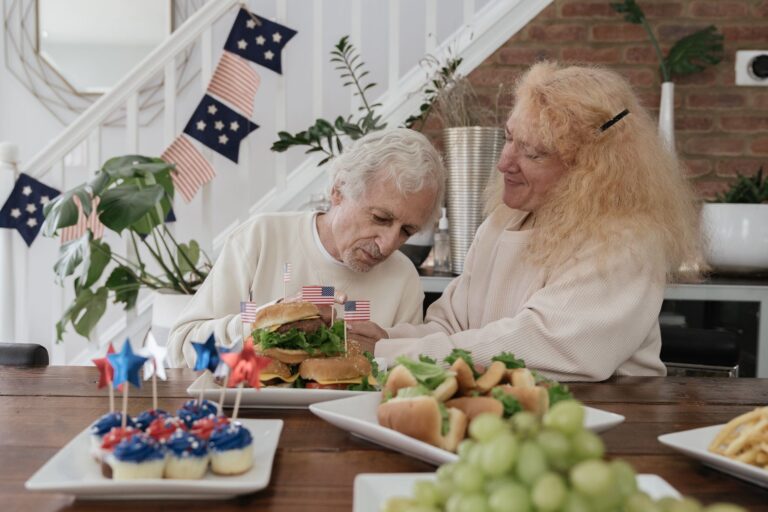
Ask whether a medical cause, medicine, mood change, or swallowing problem explains the overeating and whether weight, blood pressure, and cholesterol need review. Ask what written eating, activity, and monitoring plan respite staff should follow, including dietitian and speech-therapy referrals. Respite care means a short planned stay in a care home or other setting while a family carer takes a break. People with dementia may overeat because they forget a recent meal or worry about the next one, not only from hunger, according to Alzheimer's Society UK in its eating and drinking guide.
Medical information disclaimer: This article is for general educational purposes only and does not provide medical advice, diagnosis, or treatment. Always consult a physician or other qualified health professional about symptoms, medications, tests, or treatment decisions.
Table of Contents
- Why does overeating happen in dementia?
- Could medicines or health problems affect appetite?
- When is eating unsafe?
- What should respite staff do each day?
- What are the limits of current advice?
Why does overeating happen in dementia?
Forgetting plays a large role. A person may ask for lunch an hour after eating lunch. Anxiety about missing meals can also drive repeated requests for food. Frontotemporal dementia can bring a stronger pattern.
The Association for Frontotemporal Degeneration describes hyperorality with compulsive overeating, fixed sweet or starchy preferences, taking food from other plates, and mouthing non-food items in its Partners in FTD Care resource. About half of people with behavioral-variant frontotemporal dementia show hyperorality early, rising to about 60% later. That pattern points toward a brain-based change rather than willpower. Tell the specialist which foods are sought, when urges peak, and whether non-food objects go into the mouth.
Could medicines or health problems affect appetite?
Ask for a GP check for physical or medical causes of new overeating. Alzheimer's Society UK advises asking whether weight gain, blood pressure, or cholesterol has become unhealthy in its Dementia Together magazine advice. Also ask whether medicines, mood, teeth, thirst, boredom, constipation, and diabetes control need review.
Medication changes, diabetes, depression, mouth or dental pain, thirst, boredom, and constipation can alter appetite. Bring a current medicine list, recent weights, blood-sugar records if relevant, and notes on mood and sleep. Ask what should be checked before the respite stay, what can wait, and what change would trigger another review.
When is eating unsafe?
Dementia often impairs chewing and swallowing. That raises choking and aspiration risk, when food or drink enters the airway. Watch for coughing during meals, throat-clearing, choking episodes, pocketing food in the cheek, or recurrent chest infections.
Ask the GP for referral to speech and language therapy when these signs appear. Ask the specialist what texture, fluid thickness, seating position, pacing, and supervision the person needs. Confirm that respite staff know the signs that mean stop the meal and seek help.
What should respite staff do each day?
Give staff a short written eating plan before admission. The Alzheimer Society of Canada recommends covering meal times, portion limits, lower-calorie swaps, diabetes or texture needs, swallowing precautions, meaningful activities, and weight monitoring in its meal time guidance.
Useful questions for handover include: Ask how staff will handle extra food requests calmly and consistently. Clear steps reduce conflict, protect dignity, and keep diabetes and swallowing precautions in place.
- What portions, meal times, and snack rules should staff use?
- What lower-calorie swaps work without causing distress?
- What activities help between meals?
- How often should staff weigh the person?
- When should staff call a dietitian if weight keeps rising?
What are the limits of current advice?
There is no special dementia diet. Most overeating guidance is general caregiver advice rather than a tested treatment.
So individual medical, dental, medication, and dietitian assessment remains necessary. If advice conflicts with diabetes care, swallowing advice, or rapid weight change, ask the specialist which rule takes priority.