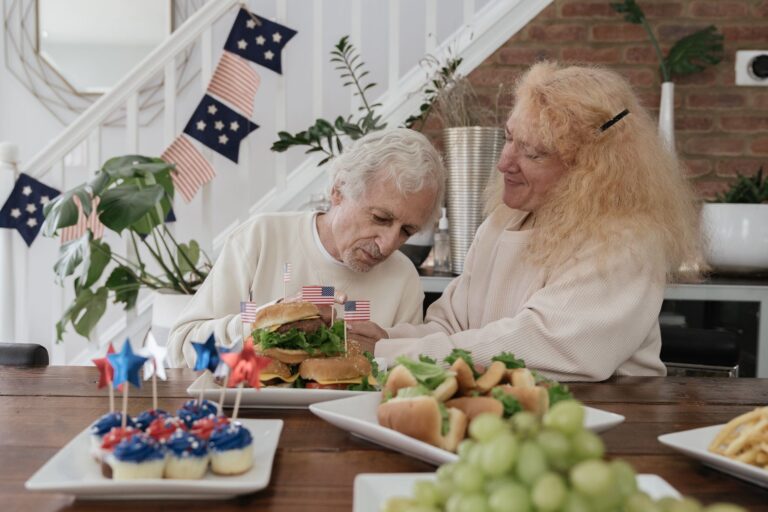
Pause extra servings, stay nearby, and use short, calm prompts to slow eating and close the meal. Respite care is short-term cover for the usual caregiver, and hyperorality means compulsively tasting, chewing, or swallowing food and nonfood items. The Association for Frontotemporal Degeneration says hyperorality often brings increased appetite, sweet preference, and loss of fullness, and it can appear early, as described in Partners in FTD Care guidance on hyperorality. That pattern differs from middle- and late-stage Alzheimer's, where people may forget to eat or feel overwhelmed by choices, according to the Alzheimer's Association.
Medical information disclaimer: This article is for general educational purposes only and does not provide medical advice, diagnosis, or treatment. Always consult a physician or other qualified health professional about symptoms, medications, tests, or treatment decisions.
Table of Contents
- Why does compulsive eating happen?
- Is new overeating always dementia?
- What can you say at the table?
- How should respite cover set up food and rooms?
Why does compulsive eating happen?
In behavioral-variant frontotemporal dementia, compulsive eating reflects brain-network change, not willpower. A Johns Hopkins study of early-stage behavioral-variant cases linked hyperorality with distinct cognitive and psychiatric profiles.
Those links shift later in the disease. Early findings do not predict every stage, so caregivers should respond to the current behavior rather than expect a fixed pattern.
Is new overeating always dementia?
A new or stronger urge to overeat deserves a health check first. The Association for Frontotemporal Degeneration advises looking beyond dementia itself for other drivers. Ask the care team to check for: Treat the cause when found, then reset the meal plan around the person's present needs.
- pain or infection
- medication effects
- dental problems
- dehydration and nutritional gaps
What can you say at the table?
Stay with the person, keep them upright, and keep bites small. The Bradford District Care NHS Foundation Trust advises supervising meals, cutting food small, offering small portions, prompting the person to slow down, and referring ongoing coughing or choking to speech-and-language therapy, as explained in Bradford District Care NHS mealtime guidance.
Use one clear prompt at a time. Say "Take one bite, then sip water." Say "Let's slow down together." Say "Lunch is finished" and clear the plate. Avoid arguing about hunger, scolding, or asking why they ate so much.
How should respite cover set up food and rooms?
Check the setting at the start of each visit or shift. The Association for Frontotemporal Degeneration recommends an environmental audit for respite and home-care staff, with cleaners, chemicals, small objects, and trash locked away and cabinets and refrigerator secured.
Serve food in controlled amounts and reduce pressure around choices. The Family Caregiver Alliance advises smaller, more frequent meals rather than three large meals, plus small plates, one or two foods at a time, and water or liquids often, as listed in the Family Caregiver Alliance feeding tip sheet.
- plate one small serving and store the rest out of sight
- offer one or two foods, not a full spread
- set out water and offer it through the day
- remove sweets, snacks, and nonfood items from reach between meals