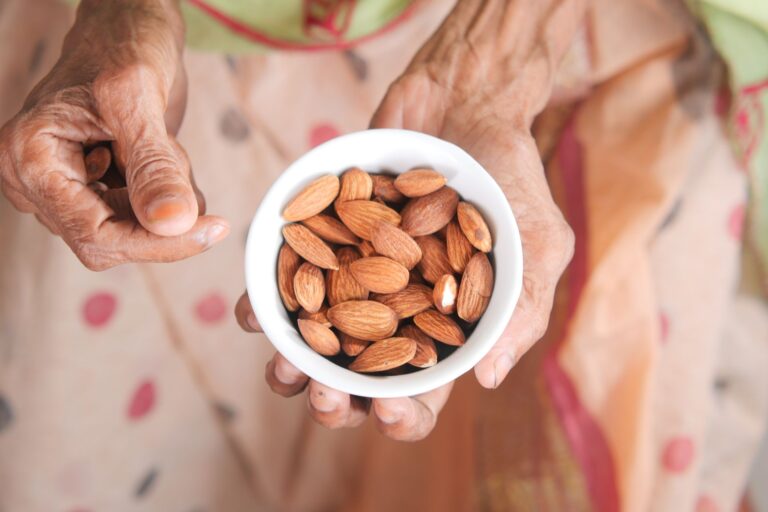
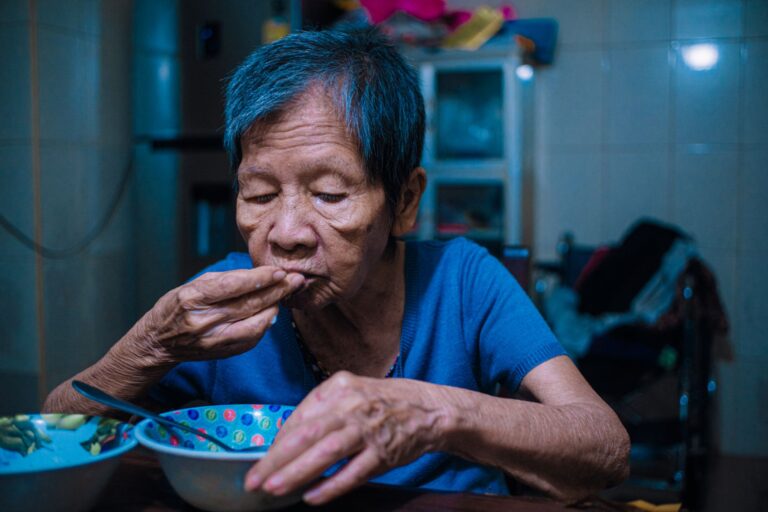
Eating too much in dementia respite care calls for smaller set portions and a calmer, home-like dining space. Respite care means a short stay that gives a family caregiver a break while staff support the person with dementia.
People may eat again because they forget a recent meal or worry about when the next meal will come, according to the Alzheimer's Society in eating and drinking guidance. In behavioral-variant frontotemporal dementia, compulsive overeating and tasting non-food items can be common. Ask staff to add both the cause and the response to the written care plan.
Medical information disclaimer: This article is for general educational purposes only and does not provide medical advice, diagnosis, or treatment. Always consult a physician or other qualified health professional about symptoms, medications, tests, or treatment decisions.
Table of Contents
- Why does overeating happen during a respite stay?
- When does overeating need a medical check first?
- How should the dining space change?
- What should the care plan change?
Why does overeating happen during a respite stay?
Memory loss makes a finished plate feel unfinished. A person may ask for lunch right after lunch or keep reaching for snacks. New routines, shared lounges, and visible food can add extra cues to eat.
Some forms of dementia raise the urge more strongly. Hyperorality, compulsive overeating and tasting non-food items, affects about half of people with behavioral-variant frontotemporal dementia early and 60% later in a 2025 ALLFTD Consortium study, according to the Association for Frontotemporal Degeneration in hyperorality in frontotemporal dementia. That pattern may look like constant grazing, large bites, food-seeking, or putting unsafe objects in the mouth.
When does overeating need a medical check first?
Ask for a medical review when overeating is new, sudden, or much worse. Uncontrolled diabetes, hyperthyroidism, and some medicines can trigger sudden increased hunger, according to the National Council of Certified Dementia Practitioners in dementia and increased appetite guidance. Do not treat it as only a habit before those causes are checked.
Bring a short list to the GP or respite nurse. Note start date, weight change, thirst, urination, shaking, sweating, sleep change, and new drugs or doses. Ask whether blood sugar, thyroid tests, medicine review, swallowing review, and dietitian input are needed.
How should the dining space change?
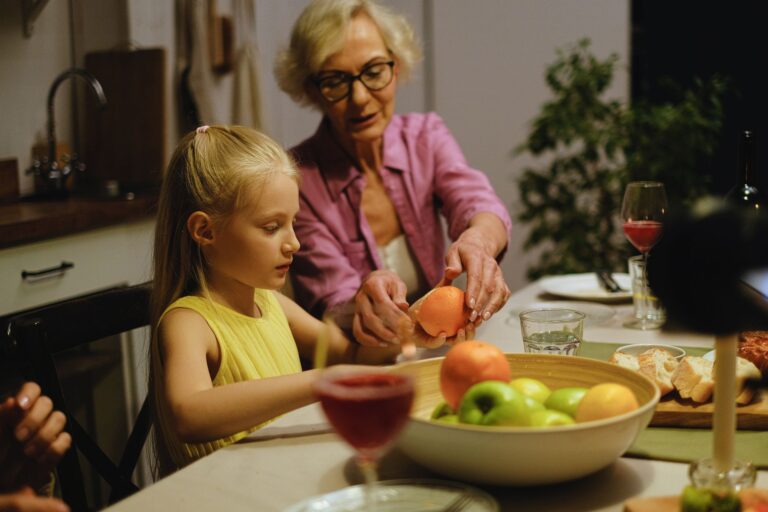
Make the room feel like home, not a ward. The Victorian Department of Health recommends small homelike group tables, stable chairs, contrasting tablecloths and plates, good lighting, less TV and background noise, and unhurried meal time in dementia-friendly dining guidance. Contrast helps the person see food, edges, and cup handles. Calm and light reduce rushing and second helpings taken by mistake.
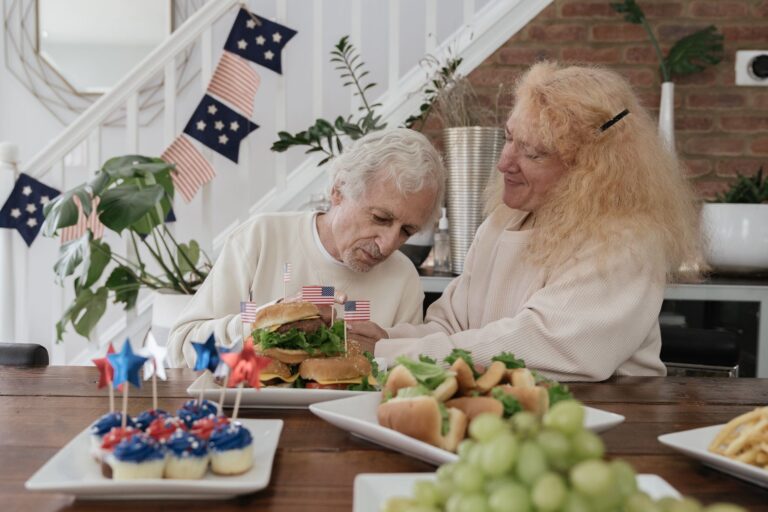
Keep meals social and familiar. Institutional meals can feel regimented and removed from social context, while home-like presentation and nearby cooking smells can lift mood and normalize eating cues. Seat the person with a small steady group. Keep the table set only for the current course and clear extra bread, packets, and desserts until serving time.
What should the care plan change?
Shift from three large meals to smaller frequent meals and set portions. Caregivers can serve food in set portions instead of packets and limit ready access to sweets and high-calorie foods. Write the snack times, places, and amounts so every shift follows the same plan. Ask the kitchen to divide the meal into two smaller portions, hold the second portion, start with soup, and fill much of the plate with lower-calorie salad and vegetables.
Offer water first, then food, and pause before seconds. Track requests for more food, what was eaten, mood, and bowel comfort across the stay. Portion and environment changes do not make overeating safe when swallowing is poor. Dysphagia raises choking and aspiration-pneumonia risk and needs prompt GP and speech-therapy referral. Watch for coughing, throat clearing, wet voice, pocketing food, breathlessness, or chest infections after meals.