Reviewed by the Help Dementia Editorial Team — our editors review every article for accuracy against guidance from the National Institute on Aging, the Alzheimer’s Association, and peer-reviewed sources.
New study sits at the center of this dementia and brain health question.
A new study from the Rush Memory and Aging Project reveals striking news: people who eat leafy greens daily experience cognitive decline at a rate equivalent to being 11 years younger than those who rarely consume them. Researchers tracking 960 older adults with an average age of 81 found that daily consumption of just one serving of vegetables like spinach, kale, or collard greens was linked to significantly slower age-related mental decline. For someone in their 70s or 80s worried about memory loss or thinking skills, this finding suggests that one of the simplest dietary changes—adding leafy greens to lunch or dinner—could meaningfully protect the brain. The research, published in the journal Neurology, isn’t claiming that leafy greens reverse aging or prevent dementia outright.
Rather, it shows a strong association between regular consumption and the pace at which thinking abilities naturally decline with age. Consider two 75-year-old people: one eats spinach salads five times a week, while the other rarely touches greens. By age 85, cognitive testing suggests the regular greens-eater’s brain may function more like someone in their mid-70s, while the other’s may reflect someone in their mid-80s. That’s a substantial difference in daily life.
Table of Contents
- How Do Leafy Greens Slow Brain Decline in Aging Adults?
- Understanding the Study and Its Limitations
- The MIND Diet and Dementia Prevention
- Practical Ways to Add More Leafy Greens to Your Diet
- When Leafy Greens Require Caution
- Comparing Leafy Greens to Other Brain-Protective Foods
- Looking Forward—What This Means for Brain Health Strategy
- Conclusion
How Do Leafy Greens Slow Brain Decline in Aging Adults?
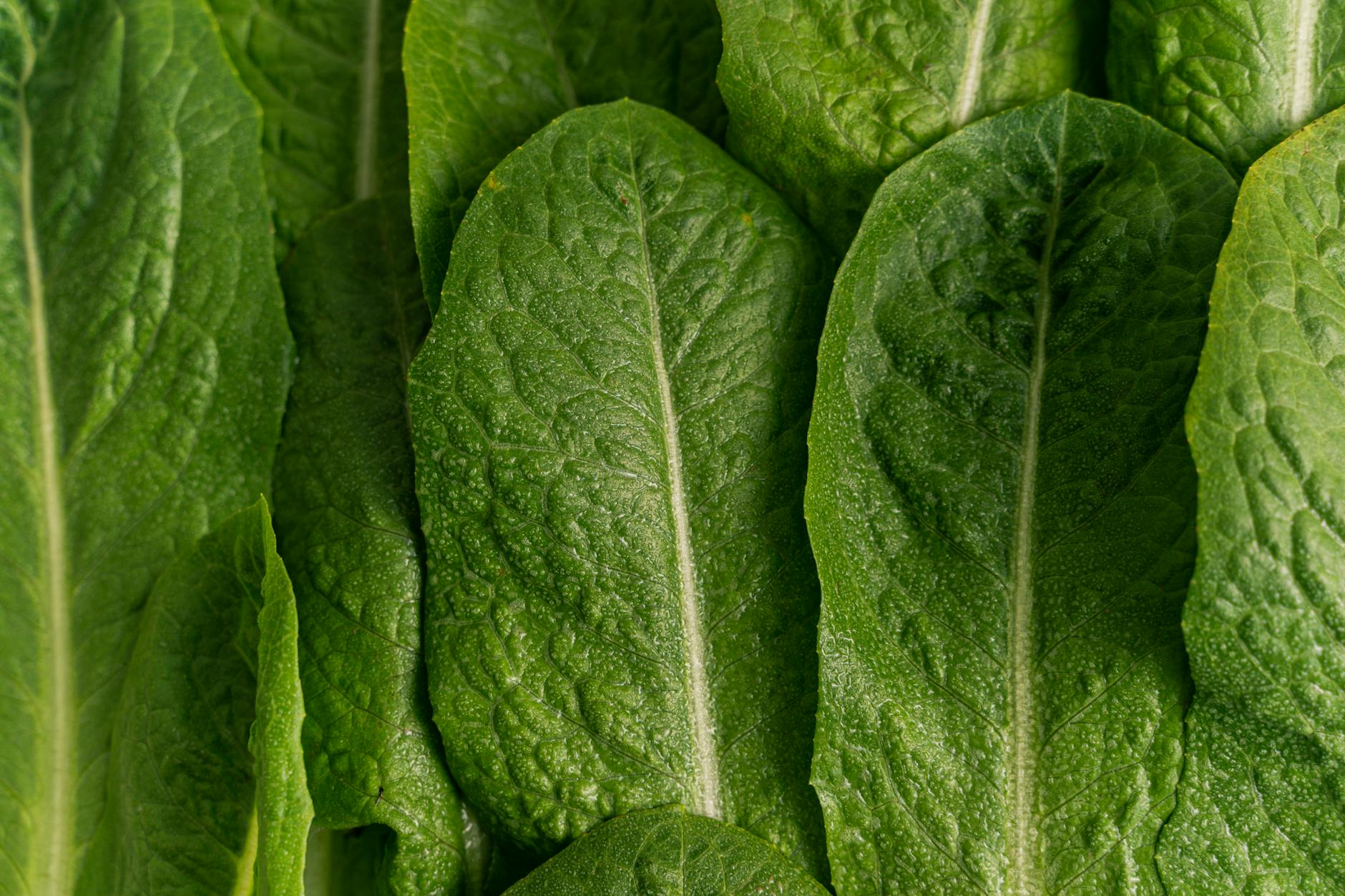
The protective effect appears to come from specific compounds found in leafy greens. The study identified six key nutrients that, individually, were associated with slower cognitive decline: folate, phylloquinone (vitamin K), nitrate, lutein, alpha-tocopherol (vitamin E), and kaempferol, a type of flavonoid. These aren’t exotic substances—they’re naturally present in everyday vegetables like spinach, kale, romaine lettuce, and collards. The high consumers in the study averaged 1.3 servings of leafy greens per day, while low consumers averaged just 0.09 servings daily—a tenfold difference.
What makes vitamin K particularly interesting is that higher concentrations in the brain were linked to lower odds of developing dementia or mild cognitive impairment, the gray zone between normal aging and dementia diagnosis. Folate supports the nervous system and helps regulate homocysteine, an amino acid that, at elevated levels, may damage blood vessels in the brain. Nitrates improve blood flow, which means more oxygen reaching the tissue. Lutein, typically associated with eye health, also accumulates in the brain and appears to support cognitive function. Together, these compounds create a protective cocktail that the brain can use to resist the wear and tear of aging.
Understanding the Study and Its Limitations
Before changing your diet based on this research, it’s important to understand what the study actually measured. All 960 participants were dementia-free at the start of the study, so researchers were tracking the speed of normal, age-related decline rather than prevention of dementia itself. The study is observational, meaning it documents an association between leafy green consumption and cognitive outcomes—it doesn’t prove that eating greens directly causes slower decline. People who eat more leafy greens might also exercise more, have higher education levels, or manage their health more carefully in other ways.
Another significant limitation: the study population was predominantly white older adults, mostly in the Chicago area, so the findings may not apply equally to younger people or adults of other ethnic backgrounds. The research shows correlation, not causation. While the evidence is compelling and supported by the biological plausibility of these nutrients, it would be irresponsible to claim that leafy greens are a brain fountain of youth. They’re one piece of a larger puzzle that includes physical activity, cognitive engagement, sleep quality, stress management, and overall diet quality.
The MIND Diet and Dementia Prevention
Beyond this single study, leafy greens play a starring role in the MIND diet—a eating pattern specifically designed to support brain health as people age. Developed by researchers at Rush University and Harvard, the MIND diet recommends consuming at least six servings of green leafy vegetables per week, along with other brain-healthy foods like berries, nuts, whole grains, and fish. Studies of the MIND diet suggest it may reduce the risk of Alzheimer’s disease by as much as 53 percent compared to typical eating patterns, particularly when people adopt it strictly. The MIND diet isn’t complicated or extreme.
A serving of leafy greens is just a cup of raw spinach or a half-cup of cooked kale. Someone eating a spinach salad for lunch twice a week and adding collard greens or kale to dinner twice more already hits the recommended six servings. The diet also emphasizes whole grains, olive oil, fish (especially fatty fish like salmon with omega-3s), beans, nuts, and berries while limiting red meat, butter, full-fat cheese, and ultra-processed foods. It’s less about restriction and more about shifting the balance of what’s on the plate.

Practical Ways to Add More Leafy Greens to Your Diet
For many people, the hardest part of eating healthier isn’t understanding the science—it’s actually getting greens onto the plate consistently. Raw salads work for some, but they’re not the only option. Sautéed spinach cooks down to a small handful and takes three minutes in a pan with a little olive oil and garlic. Kale chips baked in the oven provide a satisfying crunch.
Collard greens, mustard greens, or turnip greens are traditional in many cuisines and become tender and flavorful when slow-cooked with onions and a small amount of meat or vegetable broth. For people with chewing difficulties or swallowing concerns—common concerns at advanced ages—blending greens into soups or adding them to smoothies works well. A handful of spinach virtually disappears into a berry or vegetable smoothie without altering the taste. Others find that mixing finely chopped greens into ground meat for tacos or into pasta sauce makes them easier to consume without fanfare. The key is finding a method that fits your preferences and habits, then making it routine rather than occasional.
When Leafy Greens Require Caution
People taking blood-thinning medications like warfarin need to be aware that the vitamin K in leafy greens can affect how these medications work. This doesn’t mean avoiding greens—it means consistency. The problem arises when intake varies wildly from day to day. Someone taking warfarin should discuss their leafy green consumption with their doctor and maintain roughly the same amount of vitamin K daily.
Moderate, consistent consumption usually poses no problem and is actually encouraged as part of a healthy diet. Another consideration: some older adults have reduced stomach acid or difficulty absorbing nutrients, which can limit how much benefit they extract from the compounds in leafy greens. Medications for acid reflux, common in older populations, can also interfere with nutrient absorption. Additionally, people with kidney disease may need to limit potassium-rich foods like some leafy greens, requiring medical guidance. These aren’t reasons to avoid greens but rather to consume them thoughtfully as part of a balanced diet rather than viewing them as a standalone solution.

Comparing Leafy Greens to Other Brain-Protective Foods
While leafy greens deserve the spotlight, they’re not the only brain-healthy choice. Fatty fish like salmon, mackerel, and sardines provide omega-3 fatty acids that support neural function and reduce inflammation. Berries, especially blueberries, contain anthocyanins linked to better memory and slower cognitive decline. Nuts and seeds offer vitamin E and other antioxidants.
Whole grains keep blood sugar stable, which is important for brain health, while legumes provide both protein and fiber. The real power comes from eating a variety of these foods together, not from pinning all hopes on a single vegetable. Think of brain-protective eating as a pattern rather than a prescription. Research on the Mediterranean diet, which emphasizes olive oil, vegetables (including greens), fish, whole grains, and moderate nuts, shows similarly strong benefits for cognition in aging. Whether people follow the MIND diet, the Mediterranean approach, or simply aim to eat more vegetables and less processed food, the direction of change matters more than following a perfect formula.
Looking Forward—What This Means for Brain Health Strategy
As the population ages and concerns about dementia grow, research like the Rush study offers reassurance that some things affecting brain health are within our control. While genetics, education, and early-life experiences all influence cognitive aging, the dietary choices made in the present can shape how the brain ages in the years ahead. The study suggests that someone diagnosed with mild cognitive impairment or early memory complaints might slow their progression by shifting eating habits—though medical care, cognitive training, and other lifestyle factors also matter.
The message isn’t that eating spinach cures dementia or stops aging. Rather, it’s that everyday choices, accumulated over time, influence the trajectory of brain health. Someone in their 50s or 60s who begins eating leafy greens regularly, along with other protective habits, is investing in their cognitive future. For those already experiencing memory concerns, adding these foods to the diet is a low-risk, evidence-supported step that might make a measurable difference in the pace of decline.
Conclusion
The connection between leafy greens and sharper brains at 70, 80, and beyond reflects growing scientific evidence that what we eat shapes how our minds age. The Rush study, involving 960 older adults tracked over time, found that people who regularly consume leafy greens showed cognitive decline rates equivalent to being 11 years younger than those who rarely eat them. This finding is rooted in specific nutrients—folate, vitamin K, nitrates, lutein, and others—that protect neural tissue and support blood flow to the brain.
Starting or increasing leafy green consumption is one actionable step among many for protecting brain health. Combined with physical activity, sleep quality, cognitive engagement, stress management, and overall diet quality, leafy greens fit naturally into a brain-protective lifestyle. Whether added to salads, sautéed as a side dish, blended into soups, or incorporated into familiar recipes, these vegetables offer a practical, affordable way to support the thinking skills that matter most as people age.
You Might Also Like
- margarine May Protect Your Brain Better Than Supplements
- fast food May Protect Your Brain Better Than Supplements
- Dementia Researchers Warn Against Eating whole grains Regularly
For more, see NIH MedlinePlus — dementia.