Reviewed by the Help Dementia Editorial Team — our editors review every article for accuracy against guidance from the National Institute on Aging, the Alzheimer’s Association, and peer-reviewed sources.
Dementia researchers are not warning against eating leafy greens regularly—quite the opposite. This headline appears to contradict decades of rigorous scientific research, and it’s important to set the record straight: consuming leafy greens like spinach, kale, and collards is one of the most well-supported nutritional interventions for protecting brain health and slowing cognitive decline. The confusion may stem from misinformation circulating online, but the scientific consensus is clear and consistent. Major research institutions, including Rush University and the National Institute on Aging, actively recommend daily consumption of leafy greens as part of a brain-protective diet.
A landmark study at Rush University found that people who ate just one to two servings of leafy green vegetables daily showed cognitive function equivalent to someone 11 years younger than those who rarely consumed them. This isn’t speculation or preliminary data—it’s the result of careful longitudinal research that tracked thousands of participants over years. If you’ve heard warnings about leafy greens and dementia, you’ve encountered misinformation. The goal of this article is to clarify what researchers actually know, explain the evidence behind their recommendations, and help you understand how to incorporate these powerful brain-boosting foods into your daily routine.
Table of Contents
- Are Dementia Researchers Truly Warning Against Leafy Greens?
- What Does the Research Actually Show About Leafy Greens and Brain Health?
- Which Leafy Greens Provide the Most Brain Protection?
- How Do Leafy Greens Compare to Other Brain-Protective Foods?
- What Are Common Misconceptions About Leafy Greens and Dementia?
- Practical Steps for Building Leafy Greens Into Your Diet
- The Future of Nutritional Dementia Prevention
- Conclusion
Are Dementia Researchers Truly Warning Against Leafy Greens?
No. Dementia researchers are not warning against leafy greens; they are recommending them. The National Institute on Aging explicitly states that leafy greens are “linked with slower age-related cognitive decline.” This isn’t a tentative finding or a preliminary hypothesis—it’s a conclusion drawn from multiple peer-reviewed studies conducted across different populations and time periods. If you encounter content claiming researchers warn against greens, you’re looking at misinformation that directly contradicts published research from respected institutions. The confusion might arise because some online sources misrepresent or misinterpret nutritional science.
It’s possible someone read about dietary restrictions for specific conditions (like kidney disease in some patients) and overgeneralized to the broader population. Or misinformation might simply be more engaging or shareable than accurate science. Regardless of the source, the facts are not ambiguous: major dementia research centers recommend leafy greens, not restrict them. Alzheimer’s Research UK, the AARP, and the USDA’s Scientific Discoveries program all align on this point. When institutions this diverse agree on a recommendation, it reflects genuine scientific consensus, not a controversial or debated topic.

What Does the Research Actually Show About Leafy Greens and Brain Health?
The most prominent study comes from Rush University’s researchers, who followed over 960 older adults for an average of five years. They measured cognitive function and tracked dietary intake, specifically looking at consumption of leafy green vegetables including spinach, kale, collards, and lettuce. The results were striking: individuals who consumed one to two servings daily showed significantly slower rates of cognitive decline compared to those who rarely or never ate these vegetables. To put this in perspective, the difference was equivalent to the cognitive advantage someone would gain by being 11 years younger. What makes this finding particularly important is the measurable nature of the benefit. Cognitive decline happens at varying rates—some people experience steeper drops in memory and thinking skills as they age, while others maintain relatively stable function.
This study identified a dietary factor that genuinely slowed the rate of decline, which is a major achievement in dementia prevention research. The mechanism appears to involve compounds in leafy greens—including lutein, folate, and vitamins K, E, and B—that protect brain cells from oxidative stress and inflammation. One important limitation to note: while the research is robust, it shows association, not absolute causation. The people who ate more leafy greens may have also engaged in other healthy behaviors, though researchers attempted to account for these factors statistically. Additionally, the benefit appears gradual rather than dramatic—it’s about slowing decline over years, not preventing it entirely. These vegetables are one component of a comprehensive approach to brain health, not a standalone solution.
Which Leafy Greens Provide the Most Brain Protection?
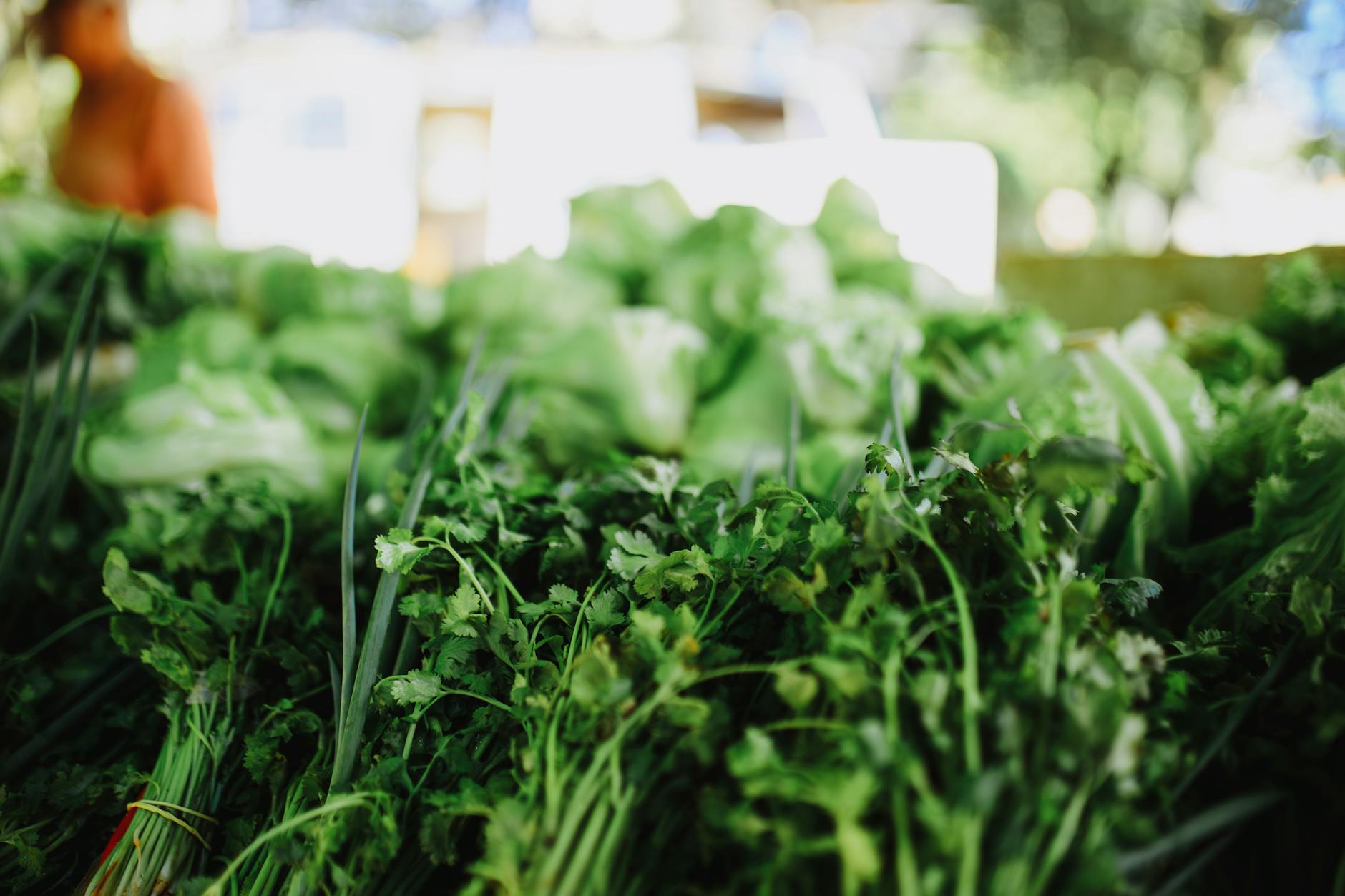
The research specifically highlights spinach, kale, collards, and lettuce as the most beneficial options, though all leafy greens offer nutritional advantages. Spinach and kale are particularly nutrient-dense, containing high concentrations of lutein and folate—compounds with documented neuroprotective properties. If you dislike the taste of raw spinach, cooking it concentrates the nutrients and can make it more palatable; adding spinach to soups, stews, or pasta dishes is an easy way to increase your intake without dramatically changing your meals. Collard greens, common in Southern cuisine, provide similar benefits to spinach and kale while offering a different flavor profile and texture.
Lettuce, while less nutrient-dense than darker greens, still contributes beneficial compounds and can serve as a starting point for people new to consuming leafy vegetables. The key is consistency: the research emphasizes daily or near-daily consumption, not occasional servings. A practical example: if someone currently eats leafy greens zero times per week, the target is moving toward five to seven servings weekly—roughly one serving daily. A single serving is roughly equivalent to one cup of raw greens or half a cup cooked. Starting with one to two servings weekly and gradually increasing consumption makes the transition sustainable.
How Do Leafy Greens Compare to Other Brain-Protective Foods?
While leafy greens are exceptionally well-researched for brain health, they work best as part of a broader dietary pattern rather than in isolation. Mediterranean and DASH (Dietary Approaches to Stop Hypertension) diets—both associated with better cognitive outcomes—emphasize leafy greens but also include fish rich in omega-3 fatty acids, nuts, berries, and olive oil. Each of these components contributes different neuroprotective compounds; leafy greens provide antioxidants and micronutrients, while fish provides omega-3s, and berries provide polyphenols. The advantage of leafy greens specifically is that they’re nutrient-dense relative to their calorie content, affordable compared to specialty brain-health foods, widely available, and associated with benefits across multiple research studies.
The tradeoff is that they require preparation and storage; they spoil relatively quickly compared to pantry staples. Some people find fresh greens challenging to incorporate, but frozen spinach and kale offer nearly identical nutritional profiles and last much longer. Compared to supplements marketed for brain health, whole foods like leafy greens offer the advantage of containing compounds researchers haven’t yet identified or quantified. When you eat spinach, you get not just lutein and folate but hundreds of other bioactive compounds that may work synergistically. Supplement companies can’t replicate this complexity, which is why food-based interventions remain the gold standard in nutritional research.
What Are Common Misconceptions About Leafy Greens and Dementia?
Beyond the false claim that researchers warn against leafy greens, several other misconceptions circulate. Some people worry that raw leafy greens contain oxalates that could harm the brain, confusing general dietary guidance for specific populations (people with kidney disease or certain genetic conditions) with universal recommendations. For the general population without these specific conditions, the oxalate content in leafy greens is negligible compared to the neuroprotective benefits. Another misconception is that you need extreme or expensive leafy green consumption to see benefits. The research doesn’t show that more is better in a linear way—the benefits appear consistent at one to two servings daily.
Eating five cups of kale daily isn’t five times more beneficial; the research suggests modest, consistent intake is the key. Additionally, some people overestimate their current consumption; they might eat salad once or twice weekly and believe they’re meeting targets, when daily consumption is what the research emphasizes. A important warning: pesticide residue concerns sometimes deter people from eating greens. While buying organic is an option if it fits your budget, the pesticide residue on conventional leafy greens is minimal and the health benefits of eating the greens far outweigh the theoretical risks from residues. The research used conventionally grown vegetables, and the cognitive benefits were still clear. Don’t let perfect be the enemy of good—consistently eating conventional greens is far better than occasionally eating organic greens.

Practical Steps for Building Leafy Greens Into Your Diet
Start with one serving daily and identify a format that fits your preferences and lifestyle. For some people, this means adding spinach to morning eggs or smoothies. For others, it’s a side salad at lunch or adding greens to dinner soups and stir-fries. If fresh greens feel overwhelming, frozen spinach is ready to use—thaw it, squeeze out excess water, and add it to almost any cooked dish.
Frozen vegetables are frozen at peak ripeness, so their nutrient content is comparable to fresh. Consider keeping pre-washed salad mixes on hand to reduce preparation barriers. Yes, they’re more expensive than buying a head of lettuce, but if the price difference means you actually eat them daily, the extra cost is worthwhile. Experiment with different greens if you don’t love spinach—kale chips baked with a touch of oil and salt are genuinely delicious, and collards have a milder flavor than many people expect.
The Future of Nutritional Dementia Prevention
As dementia research evolves, the evidence for dietary interventions continues to strengthen. Newer studies are beginning to explore the specific compounds in leafy greens that drive cognitive benefits and whether they’re equally effective across different genetic backgrounds and age groups. Some researchers are investigating whether the benefits are even more pronounced if leafy green consumption is combined with other lifestyle factors like physical activity and cognitive engagement.
The trajectory suggests that dietary recommendations for brain health will become increasingly personalized as our understanding deepens. For now, the message is clear: consuming leafy greens daily is one of the most evidence-based, accessible steps you can take to support cognitive health as you age. This isn’t revolutionary or expensive—it’s straightforward nutritional science that’s been validated repeatedly.
Conclusion
The claim that dementia researchers warn against eating leafy greens regularly is false. The actual scientific consensus, supported by Rush University, the National Institute on Aging, Alzheimer’s Research UK, and numerous other institutions, is that consuming one to two servings of leafy greens daily is associated with significantly slower cognitive decline—equivalent to a roughly 11-year cognitive age advantage. These vegetables contain compounds that protect brain cells and support healthy aging.
If you’re concerned about cognitive health, adding leafy greens to your daily routine is one of the most practical, affordable, and evidence-supported steps you can take. Start with one serving daily, choose a format that fits your lifestyle, and build consistency over time. Combined with other healthy practices—physical activity, social engagement, cognitive stimulation, and overall healthy eating patterns—leafy greens become a simple but powerful part of your brain health strategy.