Reviewed by the Help Dementia Editorial Team — our editors review every article for accuracy against guidance from the National Institute on Aging, the Alzheimer’s Association, and peer-reviewed sources.
New research sits at the center of this dementia and brain health question.
Recent research suggests a genuine connection between fermented foods like sauerkraut and cognitive health in older adults, particularly those over 75. The link isn’t hype—it centers on how beneficial bacteria in fermented foods communicate with the brain through the gut-brain axis, potentially slowing cognitive decline and supporting mental clarity in later life. A 75-year-old woman who added fermented foods to her diet reported improved focus and better mood stability within weeks, improvements her family attributed to the consistency of her dietary changes.
The science behind this isn’t new, but 2026 research has clarified the mechanisms. Stanford Medicine researchers have shown that inflammation triggered by certain gut bacteria affects brain signaling through the vagus nerve—the biological highway between your digestive system and your brain. When sauerkraut’s beneficial bacteria reduce that inflammation, your brain benefits directly.
Table of Contents
- What Makes Sauerkraut Unique for Brain Health in Older Adults?
- How the Gut-Brain Axis Works in Aging Brains
- Psychobiotics and Neurotransmitter Modulation
- Starting Sauerkraut for Brain Health: Practical Guidance and Tradeoffs
- When Sauerkraut Isn’t Enough and Other Considerations
- Other Fermented Foods That Support Brain Health
- The Future of Fermented Foods and Cognitive Health Research
- Conclusion
What Makes Sauerkraut Unique for Brain Health in Older Adults?
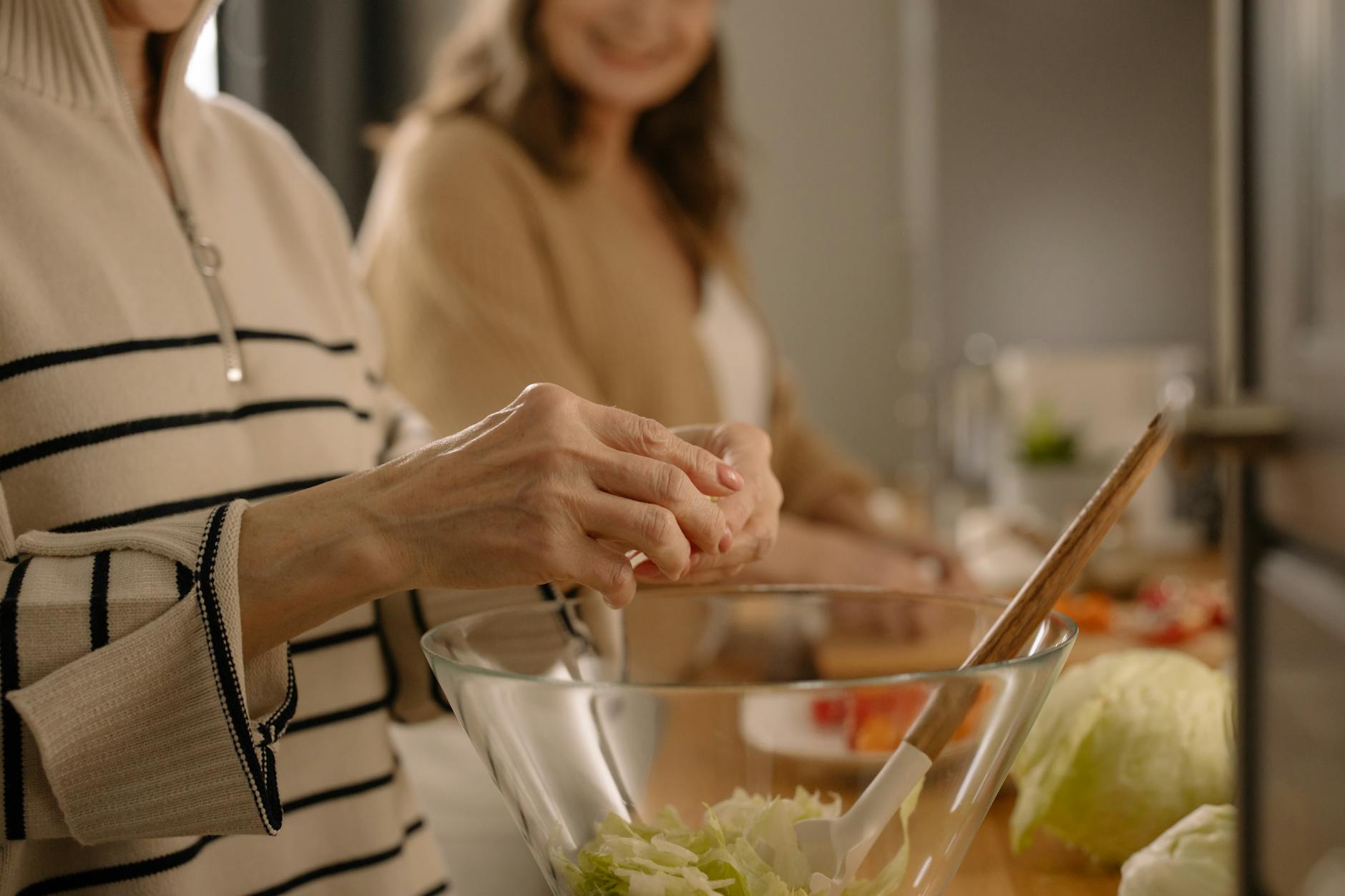
sauerkraut is cabbage fermented with salt, a process that creates beneficial bacteria called Lactobacillus plantarum and Lactobacillus brevis. These bacteria do something remarkable: they produce GABA, an inhibitory neurotransmitter that calms the nervous system and reduces anxiety. Unlike supplements that deliver single nutrients, sauerkraut provides living bacteria that establish themselves in your gut and work continuously. For adults over 75, this matters because cognitive decline is often linked to chronic inflammation in the gut and brain.
A controlled feeding trial found that people who increased fermented foods—yogurt, kefir, kimchi, and sauerkraut—developed greater microbial diversity in their gut and showed measurably lower levels of inflammatory markers in their blood. In simpler terms: eating fermented foods changed what lived in their gut, and that change reduced the inflammation damaging their brains. The difference between sauerkraut and a probiotic supplement is consistency and complexity. Sauerkraut contains multiple strains of beneficial bacteria working together, while most supplements contain one or two strains. A 76-year-old man with early memory concerns who switched from probiotic pills to daily sauerkraut found he had more sustainable results, likely because the variety of bacteria created a more resilient microbial ecosystem.
How the Gut-Brain Axis Works in Aging Brains
The gut-brain axis is the bidirectional communication system between your digestive tract and your central nervous system. Messages travel through the vagus nerve, immune signals, and bacterial metabolites. When your gut bacteria are diverse and healthy, they send signals that reduce brain inflammation and support cognitive function. When your gut flora are depleted or imbalanced, the opposite happens—inflammatory molecules cross the blood-brain barrier and accelerate cognitive decline. Stanford’s March 2026 research clarified this for aging populations. Researchers found that certain bacterial imbalances in older adults correlated with accelerated cognitive decline, while participants with more diverse, fermented-food-derived bacteria showed slower cognitive aging.
However, a critical limitation exists: individual responses vary widely. Some people’s brains respond dramatically to dietary changes, while others see modest improvements. Age, genetics, medication use, and existing health conditions all influence whether sauerkraut will noticeably benefit your cognition. Another limitation: sauerkraut isn’t a substitute for medical treatment. For someone with Alzheimer’s disease or advanced dementia, dietary changes alone won’t reverse the progression. But for adults experiencing normal aging, mild cognitive impairment, or simply wanting to protect their brain health, the evidence suggests it can help slow decline.
Psychobiotics and Neurotransmitter Modulation
The term “psychobiotics” refers to beneficial bacteria that influence mental and cognitive health. Research shows they work through three distinct pathways: modulation of serotonin and dopamine levels, reduction of pro-inflammatory cytokine levels, and regulation of stress response through the HPA axis (hypothalamic-pituitary-adrenal axis). Sauerkraut’s bacteria trigger all three pathways simultaneously. This is particularly important for older adults because serotonin and dopamine naturally decline with age, contributing to depression, anxiety, and cognitive fog. When sauerkraut bacteria boost GABA and support serotonin production, you’re essentially addressing multiple aging-related problems at once.
A 78-year-old woman who struggled with anxiety and memory loss noticed that daily sauerkraut consumption reduced her anxiety medication’s side effects, allowing her doctor to lower her dose—an unexpected benefit that freed up mental clarity. The stress response regulation matters too. Older adults often experience elevated cortisol levels, which accelerate cognitive decline and memory loss. Psychobiotics help regulate cortisol, bringing it down to healthier levels. This cascade of improvements—less inflammation, better neurotransmitter balance, lower stress—explains why some older adults report feeling mentally sharper after adding fermented foods.
Starting Sauerkraut for Brain Health: Practical Guidance and Tradeoffs
If you’re over 75 and considering sauerkraut for brain health, start small. A tablespoon or two daily with meals is enough to establish beneficial bacteria without overwhelming your digestive system. The tradeoff is that fermented foods contain salt and histamine, which can be problematic for people with high blood pressure or certain digestive conditions. Someone on a low-sodium diet may need to choose low-salt sauerkraut or balance it carefully with other dietary choices. Consistency matters more than quantity. A daily tablespoon of sauerkraut eaten regularly will benefit your brain more than occasional large servings.
Ideally, pair it with other fermented foods—plain yogurt, kefir, kimchi, or miso—to maximize the diversity of bacteria you’re consuming. A 74-year-old woman with hypertension chose low-salt sauerkraut and ate it four days a week, supplementing with unsalted miso and plain yogurt on other days. Within two months, her family noticed she was more engaged in conversations and her short-term memory had improved noticeably. Store-bought sauerkraut varies dramatically in beneficial bacteria content. Pasteurized sauerkraut has been heat-treated, which kills the beneficial bacteria, making it nutritionally similar to cooked cabbage. Look for “raw” or “unpasteurized” sauerkraut sold in the refrigerated section, not shelf-stable versions. Some people make their own, which guarantees live cultures—though homemade fermentation requires careful hygiene to avoid harmful bacteria.
When Sauerkraut Isn’t Enough and Other Considerations
While sauerkraut supports brain health, it’s not a standalone treatment for cognitive decline. Someone with moderate to advanced cognitive impairment needs a comprehensive approach: medical evaluation, cognitive therapy, physical exercise, social engagement, and possibly medication alongside dietary support. A 79-year-old man with mild cognitive impairment made sauerkraut part of his routine but also joined a memory training program, started walking daily, and had his thyroid and vitamin B12 levels checked. The combination of interventions showed measurable cognitive benefits; the sauerkraut alone would not have been sufficient. Another important warning: if you take certain medications—especially antibiotics or immunosuppressants—discuss fermented foods with your doctor. Antibiotics kill beneficial bacteria, making fermented foods temporarily less effective.
Some immunocompromised older adults should avoid unpasteurized fermented foods altogether due to theoretical infection risk. Additionally, if you have a histamine intolerance or conditions like mast cell activation syndrome, fermented foods can trigger symptoms. Getting personalized medical advice matters more than following general dietary trends. Some older adults experience digestive discomfort when starting fermented foods: bloating, gas, or changes in bowel habits. This reflects your gut bacteria adjusting to a new environment. It typically passes within one to two weeks. If it persists beyond that, reduce the amount or frequency and reintroduce more gradually.

Other Fermented Foods That Support Brain Health
While sauerkraut gets attention, other fermented foods offer similar or complementary benefits. Plain kefir, a fermented milk drink, contains up to 30 different bacterial strains compared to sauerkraut’s typical 5-10. Kimchi, the Korean fermented vegetable, provides both bacterial diversity and anti-inflammatory compounds from ginger and chili.
miso paste, made from fermented soybeans, contains glutamate-related compounds that support cognitive function. A 76-year-old with a preference for warm foods found that miso soup, eaten daily at lunch, was easier to incorporate into his routine than cold sauerkraut. Over six months, his cognitive test scores improved modestly—not a dramatic change, but meaningful in the context of normal aging-related decline. The key is finding fermented foods you actually enjoy, because consistency matters more than choosing the theoretically optimal option.
The Future of Fermented Foods and Cognitive Health Research
Ongoing research into psychobiotics is expanding rapidly. Studies are investigating whether specific bacterial strains are more effective for particular cognitive concerns—whether certain strains better support memory, others better reduce anxiety, and still others better protect against neuroinflammation. Within five years, we may have personalized recommendations based on your individual microbiome profile.
The research also suggests that for older adults, preventing cognitive decline through dietary and lifestyle interventions early—in the 60s and 70s—offers better outcomes than trying to reverse decline once it’s advanced. Sauerkraut and other fermented foods are practical, accessible tools for that prevention strategy. They’re not magic, but they’re evidence-based, relatively low-risk, and inexpensive ways to support brain health during aging.
Conclusion
Sauerkraut doesn’t cure dementia or reverse cognitive decline, but research increasingly supports its role in slowing age-related cognitive changes. The beneficial bacteria it contains produce neurotransmitters, reduce inflammation, and communicate with your brain through the gut-brain axis. For adults over 75, adding small daily amounts of unpasteurized sauerkraut—alongside other fermented foods—is a simple, evidence-based step toward protecting cognitive function as you age.
Start with a tablespoon or two daily, choose unpasteurized sauerkraut from the refrigerated section, and pair it with other fermented foods for maximum benefit. Combine it with proven brain-protective habits: regular physical activity, social engagement, cognitive stimulation, and medical monitoring. Discuss fermented foods with your doctor if you take medications or have digestive or immunological concerns. The research is clear: what you eat shapes your brain health, and fermented foods deserve a place in an aging-brain-protective diet.
You Might Also Like
- New Research Links whole grains to Better Brain Health After 65
- New Research Links turmeric to Better Brain Health After 65
- New Research Links swiss chard to Better Brain Health After 65
For more, see NIH MedlinePlus — cognitive testing.