Reviewed by the Help Dementia Editorial Team — our editors review every article for accuracy against guidance from the National Institute on Aging, the Alzheimer’s Association, and peer-reviewed sources.
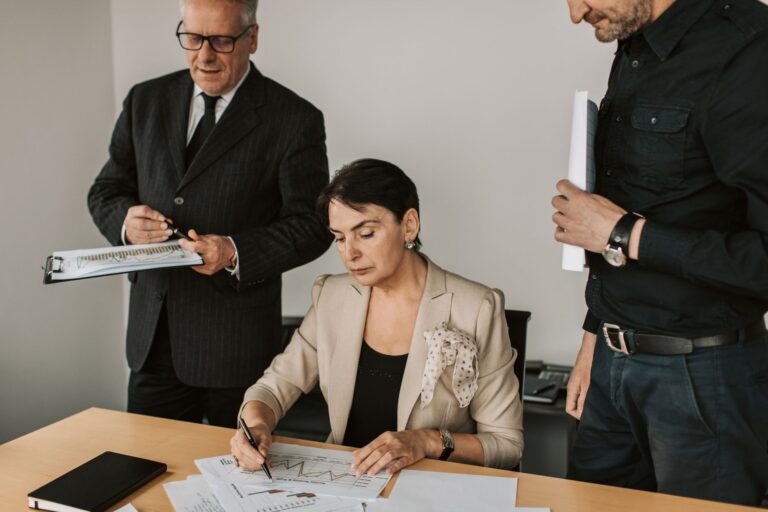
New research reveals that communication effectiveness in dementia care and brain health contexts depends far less on the amount of information shared and far more on who delivers that information and how trustworthy they appear to be. Recent studies show that patients and families are significantly more likely to adopt health advice and recommendations when they come from sources they trust—whether that’s a familiar healthcare provider, a family member, or a friend—rather than from strangers or generic sources. This finding has profound implications for how memory care facilities, neurologists, and brain health professionals structure their interactions with patients and their loved ones.
The impact extends beyond individual conversations. Research examining communication patterns shows that artificial intelligence plays an increasingly important role in mediating communication effectiveness, helping to integrate information and improve efficiency in communication systems. Meanwhile, the shift toward digital communication in healthcare—accelerated by pandemic-era changes—has created both opportunities and limitations. Understanding these new findings helps dementia caregivers, family members, and healthcare providers communicate more effectively about difficult topics, treatment plans, and day-to-day care.
Table of Contents
- How Does Source Credibility Shape Communication in Dementia Care?
- The Limitations of Digital Communication in Dementia Contexts
- How Workplace Communication Changes Affect Dementia Care Teams
- Why Email Remains the Most Effective Communication Channel
- The Role of Artificial Intelligence in Improving Communication Systems
- Practical Strategies for Improving Communication in Dementia Care
- Looking Forward in Dementia Communication
- Conclusion
How Does Source Credibility Shape Communication in Dementia Care?
When someone is diagnosed with dementia or cognitive decline, the information delivered about that diagnosis, treatment options, and long-term planning carries enormous weight. Studies on digital health communication reveal that patients and families don’t absorb health information equally—they filter it through a lens of trust and familiarity. A recommendation coming from a neurologist who has treated the patient for years will have far greater impact than the same recommendation from an unfamiliar doctor or from generic health literature. This credibility gap matters especially in dementia care, where emotional stakes are high and families are often making urgent decisions about living arrangements, medication, and daily support.
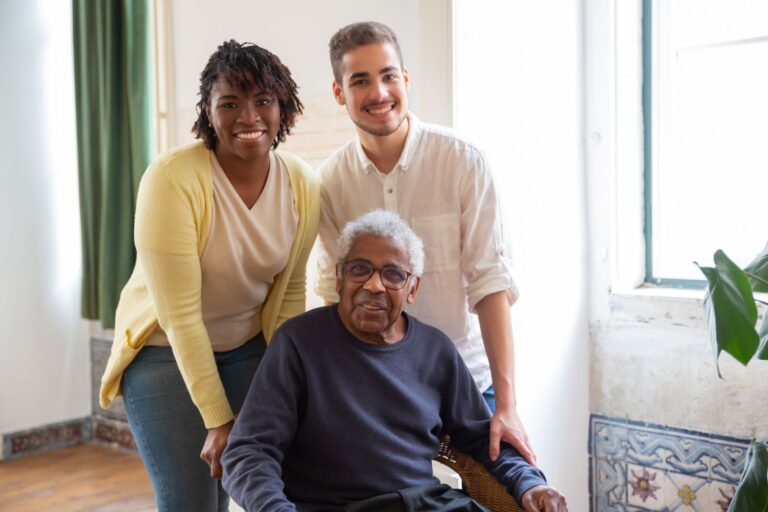
The practical implication is that healthcare providers should invest time in relationship-building with patients and families before delivering complex information. A neurologist who takes time during appointments to explain why certain tests are necessary, what results mean, and what options exist will see higher rates of treatment adherence than one who simply hands over information or sends an impersonal summary. Trusted family members can also serve as credible messengers—when a loved one explains a care plan to another family member, that communication often carries more weight than the same explanation from the medical team. For dementia patients specifically, familiar faces and voices have therapeutic value beyond just information transfer.
The Limitations of Digital Communication in Dementia Contexts
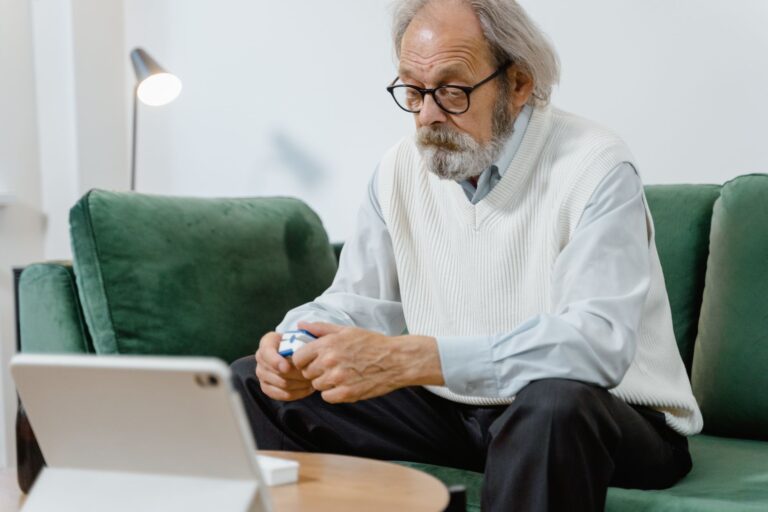
While digital health communication tools—emails, video calls, patient portals, and messaging apps—have expanded access to information, they fall short of face-to-face interaction in meaningful ways. Research comparing digital and in-person interactions shows that while text messaging and social media can improve a sense of belonging and mood, these benefits remain substantially less than those from direct, face-to-face conversations. For dementia patients and caregivers managing communication about cognitive decline, this gap is particularly significant.
A family member receiving an email summary of their parent’s neuropsychological test results may understand the information intellectually but lose the emotional support that comes from discussing those results in person with the neurologist who can observe subtle reactions, answer follow-up questions in real time, and adjust their explanation based on what they see. Video calls bridge this gap partially but not completely. The warning here is important: as healthcare systems automate more communication through digital channels to improve efficiency, there is a genuine risk of reducing the therapeutic value of healthcare communication, particularly for conditions like dementia where emotional support is as important as information transfer.
How Workplace Communication Changes Affect Dementia Care Teams
The pandemic fundamentally altered how care teams communicate, and these changes persist. Research on post-pandemic workplace patterns found that remote work increased meetings per person by 12.9 percent and attendees per meeting by 13.5 percent. The average workday lengthened by 8.2 percent—roughly 48.5 additional minutes daily. For dementia care facilities and multi-disciplinary care teams, this shift creates both challenges and opportunities.
On the positive side, more frequent virtual meetings mean that neurologists, social workers, nurses, and family caregivers can synchronize care plans without everyone being physically present. A care team can quickly convene to adjust a dementia patient’s medication regimen or address a behavioral concern without waiting for in-person rounds. However, the increase in meeting volume can also create fatigue and information overload. When care coordinators spend nearly an hour more each day in meetings, that’s an hour less spent in direct patient care or meaningful one-on-one communication with families. The research suggests that more meetings doesn’t automatically mean better communication—it can sometimes substitute for depth with breadth, leaving decisions made by committee rather than by those most familiar with the individual patient.

Why Email Remains the Most Effective Communication Channel
Despite the rise of video conferencing, instant messaging, and social media, email dominates as a communication tool. Research on internal communication trends found that 81 percent of professional communicators named email as their most effective channel for reaching audiences—far ahead of in-person events (35 percent) and intranets (31 percent). For dementia care providers communicating with families, this finding suggests email should remain a central tool despite its limitations. Email works because it creates a documented record that families can review later, forward to other decision-makers, and reference when memory is unclear.
A neurologist’s email explaining medication side effects, early signs of behavioral change, or upcoming care planning discussions creates a paper trail that family members can process at their own pace and return to when needed. However, email also creates distance that in-person conversation lacks. The comparison is telling: email is efficient and creates records, but it cannot convey the tone of voice, facial expressions, and emotional attunement that happen in real conversation. The most effective communication in dementia care likely combines email for information that needs to be documented and reviewed, with phone calls or in-person visits for conversations that require relationship, empathy, and real-time dialogue.
The Role of Artificial Intelligence in Improving Communication Systems
Emerging research shows that artificial intelligence plays a significant mediating role in communication effectiveness, particularly in helping integrate complex information and improve system-wide efficiency. In dementia care settings, AI-powered tools can analyze communication patterns, flag important clinical information that might be missed in lengthy conversations, and help synthesize information from multiple team members into coherent care summaries. Some electronic health record systems now use AI to highlight when different providers are recommending conflicting approaches or when important information from a previous visit was not carried forward.
The important limitation here is that AI should augment rather than replace human communication. An AI system that identifies that a dementia patient’s medications may be causing confusion is valuable—but the conversation about what to do with that information still requires a clinician who can discuss options with the patient and family. Additionally, families should understand if AI systems are being used to analyze their communications or information, as this affects the trust and transparency that credible communication requires. The most effective applications of AI in dementia care communication are those where the technology works invisibly to improve human conversation rather than attempting to replace it.
Practical Strategies for Improving Communication in Dementia Care
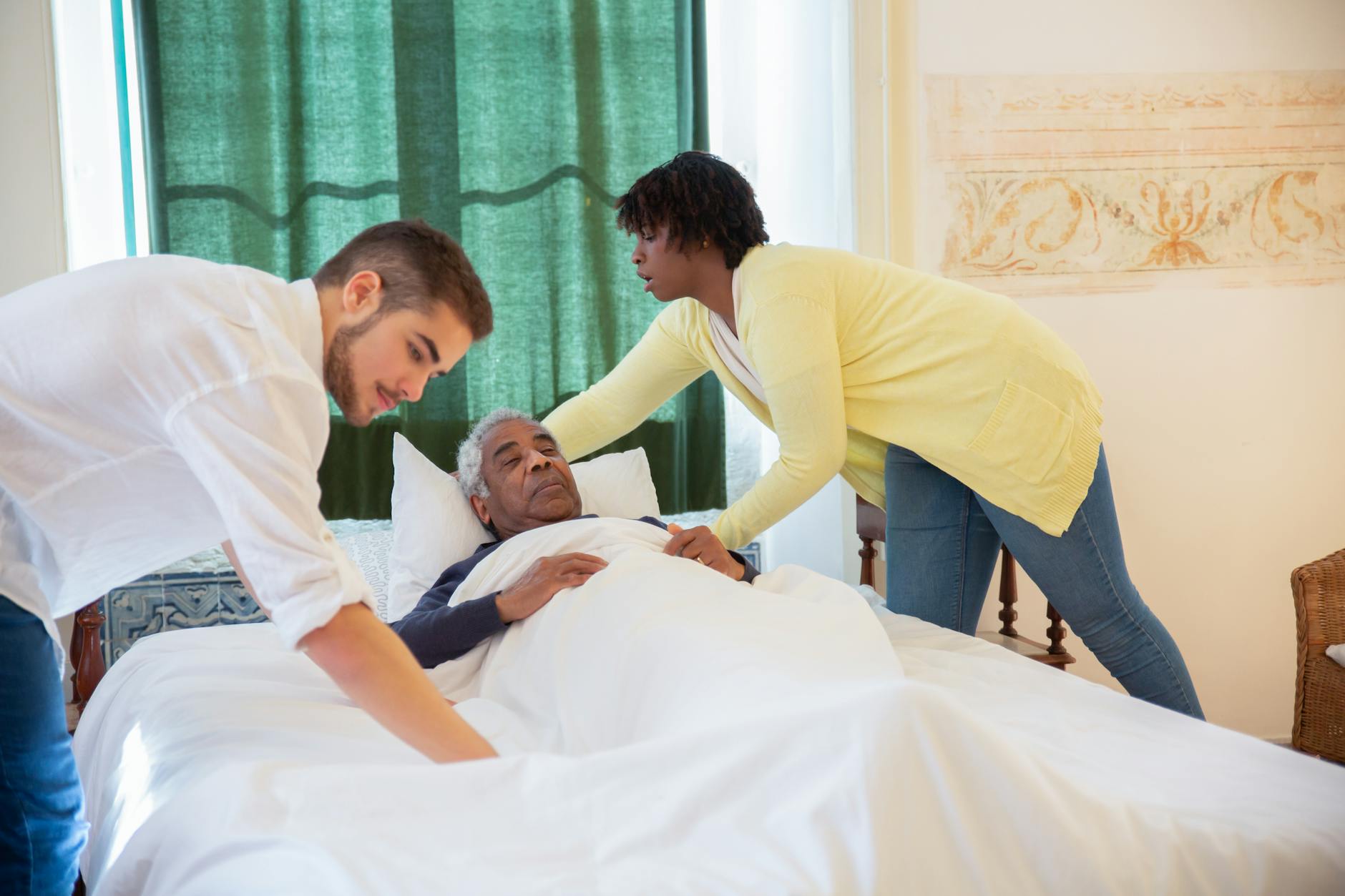
Given these findings, several strategies emerge for families and care teams. First, prioritize face-to-face conversations for major decisions and difficult discussions about dementia progression, treatment options, and care transitions. Use email and digital tools to follow up, document agreements, and provide information families want to review repeatedly.
Second, build relationships with care providers over time—these relationships create the trust and credibility that research shows is essential for health information to be acted upon. Third, recognize that communication about dementia is harder than communication about acute illness because it involves accepting loss and managing uncertainty. A neurologist who acknowledges this burden and communicates with families about not just the medical facts but also the emotional reality of living with cognitive decline will be more credible and more effective than one who delivers information without emotional context. Finally, when care teams use digital tools to coordinate, ensure that coordination translates into better direct communication with patients and families, not just into more meetings among providers.
Looking Forward in Dementia Communication
As healthcare continues to incorporate new technologies and as remote work remains part of how care teams operate, the principles identified in recent research remain constant: communication effectiveness depends on trust, credibility, and—for the most important conversations—human presence. The opportunity ahead is to use digital tools to enhance human relationships rather than replace them, and to ensure that efficiency gains in team communication translate into better communication with patients and families, not just fewer clinician hours spent in direct care.
Conclusion
New findings reveal that the quality of communication in dementia care depends more on the trustworthiness of the information source and the depth of relationship between care provider and patient than on the volume of information shared or the channels used to deliver it. Research shows that face-to-face conversation remains irreplaceable for important decisions and emotional support, even as email, video calls, and AI-assisted coordination tools play important supporting roles.
For families navigating dementia diagnosis and care planning, the takeaway is to prioritize direct conversation with trusted providers for major decisions, use digital communication for documentation and follow-up, and recognize that the relationship between caregiver and care team is itself part of the therapeutic process. For care providers, the challenge is balancing the efficiency tools that modern healthcare requires with the human presence and credibility that actually change how families respond to medical guidance.