Regular music listening and playing are linked to lower dementia risk, but research does not prove they prevent Alzheimer's. In a 2026 brain-health plan, music works best as an enjoyable support for wider proven habits. Music practice here means regular listening and playing an instrument, not clinical music therapy. Dementia means lasting loss of memory and thinking that disrupts daily life.
Medical information disclaimer: This article is for general educational purposes only and does not provide medical advice, diagnosis, or treatment. Always consult a physician or other qualified health professional about symptoms, medications, tests, or treatment decisions.
Table of Contents
- What regular music habits are linked to
- What music therapy can do after diagnosis
- Where music fits in a full prevention plan
- How to make music a steady habit
What regular music habits are linked to
Monash University followed 10,893 dementia-free Australians age 70 and older. Those who always listened had 39% lower dementia risk and 17% lower impairment risk than rare listeners, according to Monash University's study record. Playing an instrument often or always was tied to 35% lower dementia risk in the same group. The link to milder impairment was not significant.
People who both listened and played had 33% lower dementia risk and 22% lower impairment risk, Monash researchers reported. The Fisher Center for Alzheimer's Research Foundation notes the link is observational. The authors adjusted for age, sex, and education. Healthy habits linked to music may still explain part of the result.
What music therapy can do after diagnosis
Cochrane reviewers pooled 30 trials with 1,720 people, most living in care homes. Music therapy probably eases depressive symptoms and may improve overall behavior, according to the Cochrane review summary. It likely does not improve thinking, agitation, or quality of life. Few trials followed people beyond four weeks.
Benefits faded after sessions stopped in those short follow-ups, the same Cochrane analysis found. This matters for families choosing care. Music can comfort mood and daily interaction. It is not a treatment that restores memory.
Where music fits in a full prevention plan
The Alzheimer's Association U.S. POINTER trial tested a two-year structured lifestyle program. Nutrition, exercise, mental challenge, social activity, and health monitoring improved memory and thinking. Participants gained the equivalent of being 1-2 years younger cognitively, according to the Alzheimer's Association trial report.
About 45% of dementia cases worldwide link to 14 changeable risks. Hearing loss and high LDL cholesterol lead at about 7% each, with music not listed alone, according to the BrightFocus summary of the Lancet Commission. So place music beside steps with stronger support. Protect hearing, move often, eat heart-healthy foods, stay socially active, and control blood pressure and cholesterol. Music makes those routines easier to keep.
How to make music a steady habit
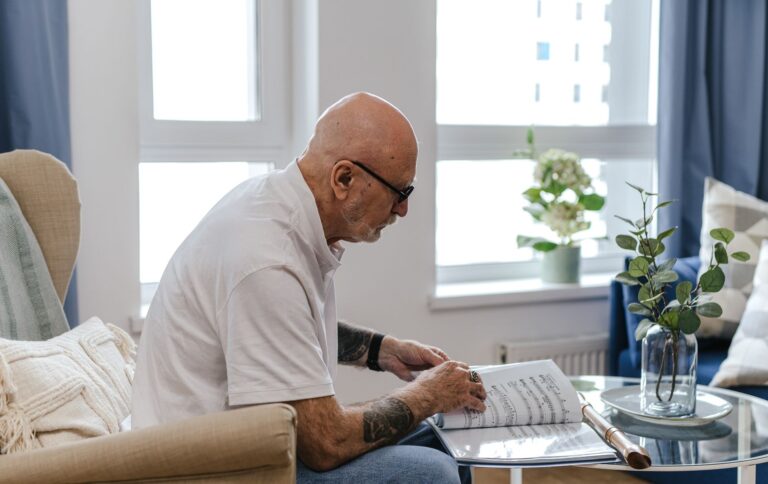
Pick forms you will repeat weekly. Listening counts, playing adds engagement, and doing both was also linked to lower risk.
If hearing fades, get a hearing check promptly and keep listening volume safe. Treat new confusion, lost words, or getting lost in familiar places as reasons to see a clinician.
- Listen daily during meals, walks, or chores
- Sing, drum, or learn simple songs on one instrument
- Join a choir, class, or weekly jam for social contact
- Pair music with walks, cooking, or visits with family
- Keep volume safe and use hearing aids when prescribed