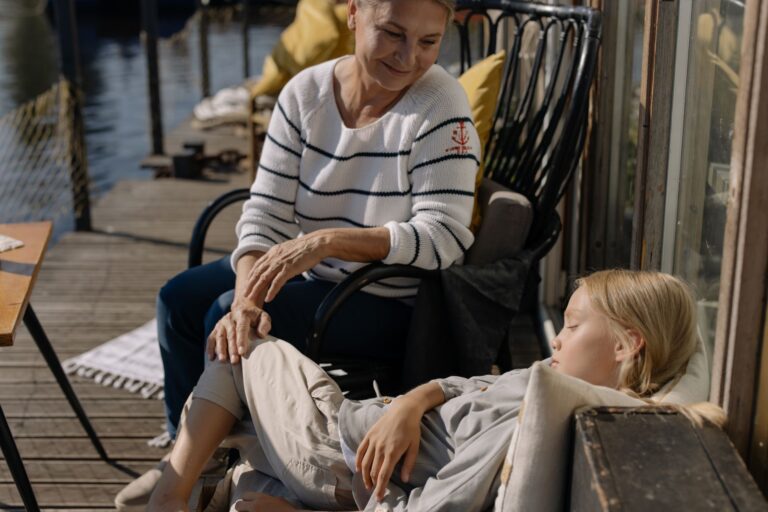
Scheduled playlists of favorite music can help older adults stay mentally active and connected during winter isolation. Regular listening is linked to lower dementia risk, and it can lift mood, alertness, sleep and memory in daily life. Harvard Health Publishing reports a 10,893-person Monash study of adults age 70 and older. Always-listeners had 39% lower dementia risk and 17% lower risk of mild cognitive impairment, early memory and thinking change, than less-frequent listeners the Harvard Health report.
Medical information disclaimer: This article is for general educational purposes only and does not provide medical advice, diagnosis, or treatment. Always consult a physician or other qualified health professional about symptoms, medications, tests, or treatment decisions.
Table of Contents
- What does listening do for the aging brain?
- Why is winter isolation a brain-health risk?
- How do you build a playlist that sticks?
- Where are the limits?
What does listening do for the aging brain?
Johns Hopkins Center for Innovative Medicine researchers report that listening reduces anxiety, blood pressure and pain. It also improves sleep, alertness and memory the Johns Hopkins report. The same center reports that active music-making and singing can improve mood, speech and quality of life in Parkinson's disease. Researchers are now testing benefits for Alzheimer's disease.
The NIH-Kennedy Center Sound Health initiative supports this work with rigorous neuroscience on music and aging brains. Intense musical pleasure triggers dopamine release in the striatum during both anticipation and peak chills, according to McGill University researchers. That reward response helps explain why favorite songs lift mood. For winter playlists, familiar favorites matter more than new or background tracks.
Why is winter isolation a brain-health risk?
The National Institute of Mental Health describes winter-pattern seasonal affective disorder as recurrent depression lasting about 4 to 5 months yearly. Signs include low energy, oversleeping, carbohydrate craving, weight gain and social withdrawal. Proven options are light therapy, antidepressants, psychotherapy and vitamin D. The U.S.
CDC, citing a National Academies report, warns that social isolation and loneliness raise dementia risk by about 50%, heart disease by 29% and stroke by 32% the CDC feature. Winter indoor confinement intensifies isolation. Shared or scheduled playlist listening is a low-cost connection habit for this season. A daily call with music, a family playlist swap, or a care-home listening hour adds contact. It does not replace daylight, exercise or treatment, but it gives isolated days a social anchor.
How do you build a playlist that sticks?
Pick songs that already bring chills, smiles or memories for the listener. Keep sessions short, regular and social when possible. A 2025 Cochrane review of 22 trials found at least five sessions of music-based therapy probably reduces depressive symptoms and behavioral problems in institutional dementia care.
Rotate two or three playlists to prevent boredom. Ask what song fits today, then play it first. Note which tracks calm, energize or upset, and keep the calming ones easy to find.
- Start with 10 to 15 loved songs, not hours of background music
- Schedule one daily time, such as after lunch or before dusk
- Listen together by phone, video or in the same room twice a week
- Add singing, clapping or gentle movement when energy allows
- Keep volume comfortable and skip tracks that cause distress
Where are the limits?
The music-dementia link is observational association, not proof that music prevents dementia, according to Harvard Health Publishing. Music therapy is also unlikely to reduce agitation, aggression or cognitive loss itself, according to the 2025 Cochrane review the Cochrane review summary.
Use playlists to supplement medical care, daylight, exercise and social contact. Seek care for persistent low mood, major sleep or appetite change, withdrawal, or safety concerns. Keep a simple weekly plan: daily favorite music, a daylight walk or window sit, movement, and one scheduled social contact.