The safest winter activities are seated, supervised indoor activities that need no walking or balance on ice. They include chair exercise, table games, music, familiar kitchen tasks, and art.
Dementia means ongoing loss of memory, thinking, and daily function. Limited mobility raises fall risk, and cold adds danger. Indoor routines can protect strength, mood, and connection through winter.
Medical information disclaimer: This article is for general educational purposes only and does not provide medical advice, diagnosis, or treatment. Always consult a physician or other qualified health professional about symptoms, medications, tests, or treatment decisions.
Table of Contents
- Seated movement that protects strength
- Which table games hold attention?
- How can music reach late-stage dementia?
- What kitchen and craft roles are safe?
- How to handle cold, light, and fresh air?
Seated movement that protects strength
Chair-based movement gives safe winter exercise without standing on slick floors. According to the Voise Foundation's physical activity ideas for dementia, helpful options include seated tai chi for balance, sit-to-stand practice, passing a soft ball, and overhead reaching while seated. Keep sessions short, stable, and watched. Use a sturdy chair with armrests on a flat rug.
Keep feet flat, leave space for arms, and stop if pain or dizziness starts. Light indoor activity also helps older adults keep strength and flexibility. University experts quoted in seven tips for winter health and safety for older adults point to walking in place, a stationary bike, a library fitness video, and daily stretching. Match the effort to the day, since fatigue and confusion can vary.
- Start with shoulder rolls and ankle circles
- Add five slow sit-to-stands with help nearby
- Toss a soft ball for coordination
- Finish with seated reaching and deep breaths
Which table games hold attention?
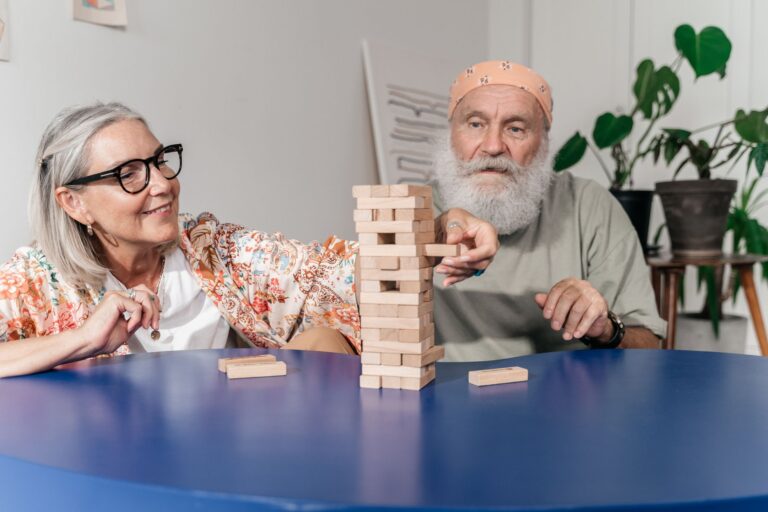
Puzzles, card games, checkers, and dominos give calm seated focus in early- to mid-stage dementia. The Alzheimer's Association Alaska Chapter describes them in its engaging winter activities for families facing Alzheimer's as strong indoor choices when outdoor visits are hard. Large pieces, simple rules, and short rounds reduce frustration.
Play beside the person, not across as an opponent. Sort dominoes by color, match cards face-up, or build a puzzle edge together. End while interest is still high, so the next game feels inviting.
How can music reach late-stage dementia?
Favorite music, beat tapping, childhood songs, and family photo albums can engage people with late-stage dementia. They need no standing, walking, or complex directions. Rhythm and familiar faces often prompt smiles, humming, eye contact, or hand movement.
Choose one album or playlist tied to youth or family life. Tap the beat together, sing a known chorus, then pause for photos. Name one person per picture in plain words. Let the person watch, listen, or turn pages at their own pace.
What kitchen and craft roles are safe?
Supervised kitchen tasks use smell and routine to prompt memory while the person stays seated or supported. The Alaska Chapter notes familiar meal prep, baking, washing dishes, and setting the table as useful seated roles. Give one clear task, such as stirring batter, tearing lettuce, or folding napkins.
Painting, drawing, play dough or clay, and magazine collages allow seated creative expression. Touch and color help when words are difficult in mid- to late-stage dementia. Offer thick brushes, blunt scissors, and large paper. Stay close for supervision, keep sharp tools and heat away, and praise the process.
How to handle cold, light, and fresh air?
Cold is especially risky for people with Alzheimer's or dementia who wander without warm clothing. Frostbite and hypothermia can develop fast. Any outdoor winter walk needs supervision, warm layers, a cleared nonskid route, and an emergency plan.
Indoor comfort matters more on icy days. Arbor Trace Memory Care advises in its winter memory-care tips to keep occupied rooms warm, encourage movement at least hourly, sit near windows for daylight, and use secure gardens or brief supervised patio time. Check hands, feet, and room temperature often, and keep coats and blankets within reach.