Reviewed by the Help Dementia Editorial Team — our editors review every article for accuracy against guidance from the National Institute on Aging, the Alzheimer’s Association, and peer-reviewed sources.
Mayo clinic sits at the center of this dementia and brain health question.
Recent research does not support the headline that whole grains are linked to higher dementia risk. In fact, the opposite is true. A major study published in *Neurology* in April 2026 found that people consuming the most whole grains were 28% less likely to develop dementia and 36% less likely to develop Alzheimer’s dementia over a 12-year period. The confusion may arise from discussions about refined grains and added sugars, which do carry increased dementia risk.
However, whole grains themselves—including oats, brown rice, quinoa, and whole wheat—represent a protective factor for cognitive health. For someone in their 60s worried about dementia risk, switching to whole grains is one of the most evidence-backed dietary changes available. The study examined nearly 93,000 people with an average age of 59 and diverse ethnic backgrounds, making it one of the largest investigations into plant-based diet quality and brain health. Researchers discovered that what matters most is not whether someone eats plant foods, but the *quality* of those plant foods. Those following a high-quality plant-based diet rich in whole grains, vegetables, and legumes showed significantly lower dementia risk, while those consuming refined grains paired with added sugars faced a 25% higher dementia risk after just 10 years.
Table of Contents
- What Does the Research Actually Show About Whole Grains and Dementia?
- Why Quality Matters: The Refined Grain Problem
- How Whole Grains Protect the Brain
- The Mediterranean Diet Connection and Mayo Clinic’s Recommendation
- Late-Life Diet Changes Still Offer Protection
- Practical Steps for Incorporating More Whole Grains
- What Future Research May Reveal
- Conclusion
What Does the Research Actually Show About Whole Grains and Dementia?
The distinction between whole grains and refined grains is crucial and often misunderstood in popular health reporting. Whole grains contain all three parts of the grain kernel—the bran, germ, and endosperm—which means they retain fiber, vitamins, and minerals that processing removes. A person eating whole wheat bread and oatmeal daily benefits from this nutritional density. Refined grains, by contrast, have been processed to remove the bran and germ, stripping away most of the nutrients.
When manufacturers add sugar to compensate for the lost nutrients and appeal, the product becomes something quite different nutritionally. The April 2026 study looked at plant-based diet quality specifically, using established dietary metrics to score how healthily people were eating plant foods. The researchers found that participants in the highest category of plant-based diet quality—those eating the most whole grains, legumes, vegetables, and fruits while avoiding refined grains and added sugars—had substantially lower dementia risk compared to those in the lowest category. The 28% reduction in all-cause dementia and 36% reduction in Alzheimer’s dementia represents meaningful protection at the population level.

Why Quality Matters: The Refined Grain Problem
Not all plant-based foods provide equal protection, and this is where the research becomes actionable rather than simply reassuring. A person eating whole grain bread and legumes gets a fundamentally different metabolic response than someone eating white bread with added sugar and processed snacks, despite both technically consuming plant foods. The unhealthy plant-based category in the research included items like refined grains, fruit juices with added sugar, and desserts—foods that spike blood sugar and trigger inflammation.
Inflammation and oxidative stress are two of the primary mechanisms linking diet to dementia risk. When blood sugar spikes repeatedly from refined carbohydrates, the pancreas releases large amounts of insulin, which can impair the brain’s ability to clear amyloid-beta—a protein that accumulates in Alzheimer’s disease. Over 10 years, this repeated metabolic stress adds up. Someone following an unhealthy plant-based diet faced a 25% higher dementia risk compared to baseline—a substantial penalty that speaks to the importance of choosing whole grains rather than assuming all plant foods offer protection.
How Whole Grains Protect the Brain
Whole grains contain multiple compounds that directly support brain health and reduce the neuroinflammation associated with dementia. Dietary fiber feeds beneficial gut bacteria that produce short-chain fatty acids, which cross the blood-brain barrier and reduce inflammation. A 70-year-old eating barley, lentils, or oats regularly is essentially feeding their brain through their gut microbiome. Additionally, whole grains provide B vitamins (particularly B1, B6, and folate), vitamin E, and betaine—all nutrients that support the synthesis of neurotransmitters and myelin, the protective coating around nerve cells.
Polyphenols, found abundantly in whole grains, are particularly powerful. These plant compounds have antioxidant and anti-inflammatory properties that directly counteract the oxidative damage implicated in Alzheimer’s pathology. Research shows that people with higher polyphenol intake have better cognitive function and lower dementia risk. The protective effects are not dramatic in any single meal, but they accumulate across months and years of consistent dietary choices.
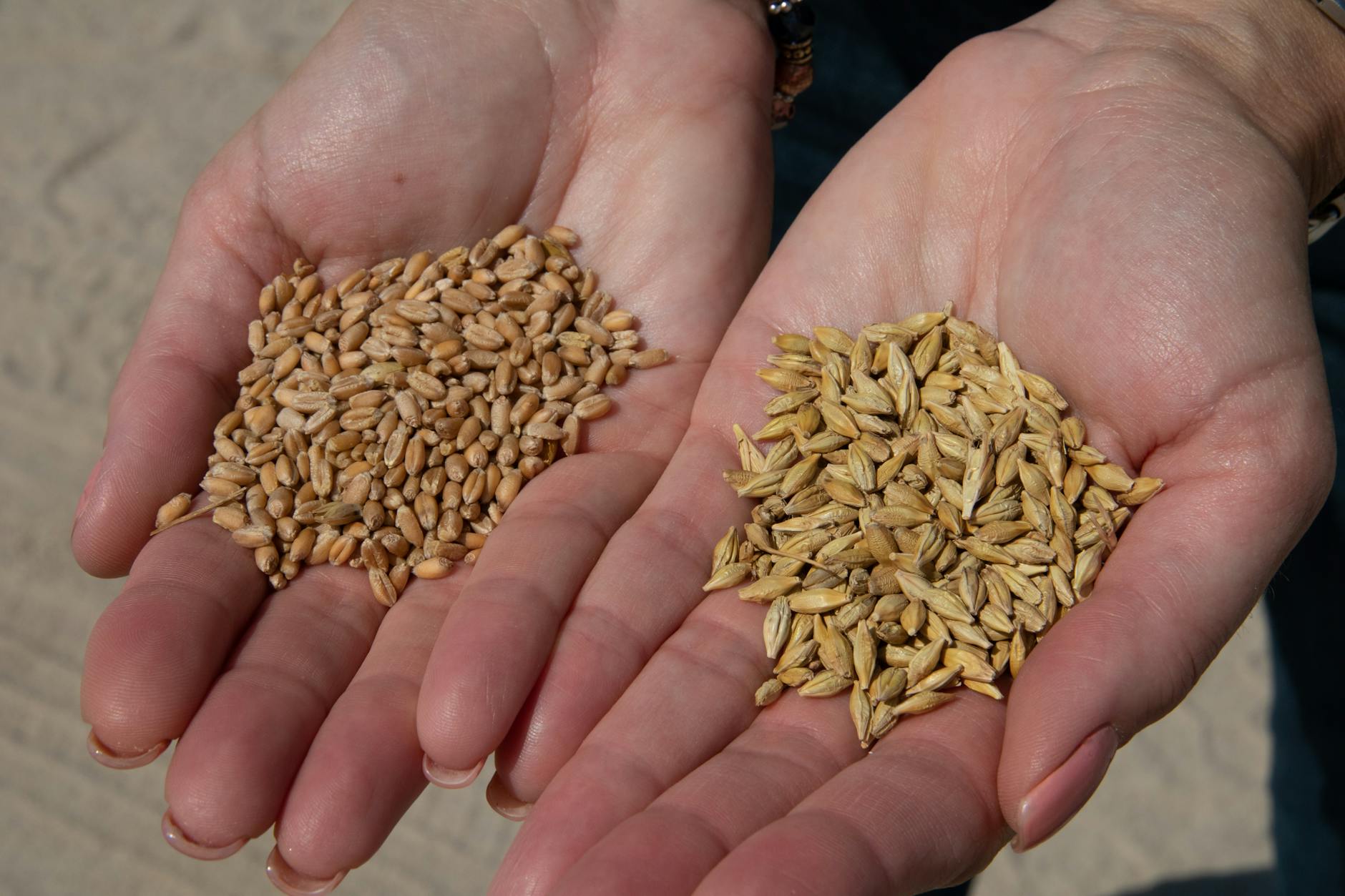
The Mediterranean Diet Connection and Mayo Clinic’s Recommendation
Mayo Clinic Press, in its guidance on foods for reducing dementia risk, explicitly recommends the mediterranean diet—a pattern that centers on whole grains, vegetables, fruits, legumes, fish, and olive oil. This aligns directly with the research showing whole grains to be protective. The Mediterranean diet has been studied extensively in dementia prevention, and multiple large trials have found it associated with lower cognitive decline and reduced Alzheimer’s risk. A person following the Mediterranean diet regularly eats whole grain bread, whole grain pasta, and legumes—foods that form the foundation of the pattern.
Comparing the Mediterranean diet to a Western diet high in refined grains and processed foods reveals the stakes clearly. Both diets technically include grains, but the quality difference translates to substantially different health outcomes. Someone in their 60s who switches from white bread, processed cereals, and sugary snacks to whole grain options, legumes, and Mediterranean-style meals is making one of the most impactful dietary changes available for brain protection. The evidence suggests this change can reduce dementia risk by 25-30% over a decade.
Late-Life Diet Changes Still Offer Protection
One of the most encouraging findings from recent research is that starting a high-quality plant-based diet in the late 50s or 60s still provides cognitive protection. There is no age cutoff beyond which dietary changes become ineffective for brain health. Someone who has eaten a poor diet for decades can still benefit substantially from shifting toward whole grains and legumes, though the longer someone has followed a healthier pattern, the greater the cumulative protection. This matters because many people assume that by age 60 or 70, their dietary choices no longer matter—but the evidence suggests otherwise.
A limitation of all dietary research on dementia is that it relies on observational data and diet questionnaires rather than randomized controlled trials where researchers could assign people to diets and follow them long-term. While the associations are strong and consistent, we cannot be 100% certain that whole grains cause the protection rather than being a marker of other healthy behaviors. Someone eating whole grains regularly may also exercise, sleep better, and maintain social connections—all protective factors for dementia. However, the biological mechanisms supporting whole grain benefits are well-understood, giving confidence that the association reflects causation.

Practical Steps for Incorporating More Whole Grains
Shifting to whole grains does not require a complete dietary overhaul. A practical starting point is reading food labels and choosing products labeled “100% whole grain” for bread, pasta, and cereals rather than products listing enriched flour or refined grain as the first ingredient. A typical day might include oatmeal for breakfast, a whole grain sandwich at lunch, and brown rice or quinoa at dinner—changes that can be made gradually and easily incorporated into existing meal patterns.
Whole grains also offer variety that prevents monotony. Beyond wheat, options include oats, barley, brown rice, wild rice, quinoa, farro, and millet. Someone who dislikes whole wheat bread might find they enjoy quinoa, while another person may prefer barley soups or brown rice bowls. Legumes—beans, lentils, and chickpeas—provide similar nutritional benefits and combine well with whole grains in dishes like lentil soup or chickpea curry, offering both flavor and brain-protective compounds.
What Future Research May Reveal
As research on diet and dementia continues, scientists are investigating whether specific types of whole grains or particular polyphenol-rich foods offer additional brain protection. Some studies are examining whether the gut microbiome changes produced by whole grain consumption directly explain the cognitive benefits, or whether other mechanisms are equally important.
Future research may also clarify whether certain individuals—based on genetics, age, or existing health conditions—benefit more from dietary changes than others. The trajectory of current evidence is clear: whole grains are a cornerstone of dementia prevention, not a risk factor. As more people worldwide face aging populations and rising dementia rates, dietary interventions that are accessible, inexpensive, and supported by strong evidence offer genuine hope for maintaining cognitive health into older age.
Conclusion
The claim that Mayo Clinic links whole grains to higher dementia risk misrepresents current research. In reality, whole grains are protective, reducing dementia risk by 28-36% when consumed as part of a high-quality plant-based diet. The risk comes from refined grains and added sugars, not from whole grains themselves. For anyone concerned about cognitive decline, incorporating more whole grains, legumes, and vegetables is among the most evidence-supported dietary changes available.
The evidence is encouraging in another way: it is never too late to start. Someone in their 70s can still benefit from shifting toward whole grains and Mediterranean-style eating. The changes do not require expensive supplements or dramatically difficult meal planning—simply choosing whole grain bread instead of white, adding beans to salads, and eating more vegetables. These small, consistent choices accumulate over years into substantial protection for the brain.
You Might Also Like
- Mayo Clinic Links wild blueberries to Higher Dementia Risk in New Study
- Mayo Clinic Links walnuts to Higher Dementia Risk in New Study
- Mayo Clinic Links turmeric to Higher Dementia Risk in New Study
For more, see National Institute on Aging.