Reviewed by the Help Dementia Editorial Team — our editors review every article for accuracy against guidance from the National Institute on Aging, the Alzheimer’s Association, and peer-reviewed sources.
Recent headlines claiming that Mayo Clinic has linked vegan diets to higher dementia risk are misleading. No such Mayo Clinic study exists, and the actual peer-reviewed research shows the opposite: plant-based diets are associated with lower dementia risk. A major 2026 study following 93,000 diverse participants over 10 years found that people eating the most plant-based foods had 12% lower dementia risk compared to those eating the least.
The critical distinction isn’t whether you eat plants—it’s the quality of the plant-based foods you choose. The confusion likely stems from misinterpretation of findings about low-quality plant-based diets. While whole-food plant-based eating protects against cognitive decline, the same benefit doesn’t apply to processed plant-based foods like refined grains, sugary juices, and items loaded with added sugars, which were associated with approximately 25% higher dementia risk in the same study. For families navigating dementia prevention, this difference matters enormously.
Table of Contents
- What Does the Actual Plant-Based Diet Research Show?
- Understanding Low-Quality Plant-Based Diets and Their Risks
- Plant-Based Diets and Specific Dementia Types
- How to Build a High-Quality Plant-Based Diet for Brain Health
- Common Mistakes in Plant-Based Eating That Harm Brain Health
- Age and Diet Change: It’s Never Too Late
- What This Means for Dementia Prevention Strategy
- Conclusion
What Does the Actual Plant-Based Diet Research Show?
The study published in 2026 followed participants from diverse backgrounds—including African American, Japanese American, Latino, Native Hawaiian, and White populations—with an average age of 59. Researchers from the University of Hawaii Cancer Center tracked these 93,000 individuals over a decade, measuring both their plant-based food consumption and cognitive outcomes. The findings were clear: those who ate the highest amount of plant-based foods experienced 12% lower risk of developing Alzheimer’s disease and other dementias compared to those eating the least.
Song-Yi Park, a researcher at the University of Hawaii Cancer Center, summarized the findings: “Adopting a plant-based diet, even starting at an older age, and refraining from low-quality plant-based diets were associated with a lower risk of Alzheimer’s and other dementias.” This statement reveals the nuance that headlines often strip away. The protection comes from choosing whole plant foods—vegetables, fruits, legumes, nuts, and whole grains—rather than simply avoiding animal products while consuming processed alternatives. The study’s 10-year timeframe is significant because dementia typically develops slowly, with cognitive decline beginning years before diagnosis. This extended observation period allowed researchers to capture meaningful changes in brain health that shorter studies might miss.

Understanding Low-Quality Plant-Based Diets and Their Risks
Not all plant-based foods offer the same brain protection. The research identified a critical category: low-quality plant-based diets, which consist primarily of refined grains, added sugars, juices, and processed plant-based products. Individuals consuming these types of foods were associated with approximately 25% higher dementia risk—essentially negating the protective benefits of plant-based eating. This finding explains why someone could be “technically” eating a plant-based diet while actually increasing their dementia risk. Consider two scenarios: one person eats a vegan diet of white bread, pasta, fruit juices, and vegan junk food; another eats legumes, leafy greens, berries, nuts, and whole grains while occasionally including dairy.
The quality-focused plant-based eater will likely experience better cognitive outcomes, even if they’re not entirely vegan. The important limitation here is that study participants self-reported their diets, which means some inaccuracy in food tracking is inevitable. For dementia prevention, this distinction is crucial. A diet heavy in processed plant-based meats, white rice, sugary cereals, and fruit juices—even if entirely plant-derived—will not protect your brain. The protection comes from nutrient-dense whole foods, regardless of whether they comprise 100% of your diet.
Plant-Based Diets and Specific Dementia Types
The research examined multiple forms of dementia, with Alzheimer’s disease being the primary focus but not the only outcome measured. Participants who maintained higher plant-based food consumption showed risk reduction across different dementia types, suggesting the protective mechanism isn’t specific to one neurological pathway. This means the benefits of plant-based eating appear to work through multiple biological mechanisms—possibly inflammation reduction, cardiovascular health improvements, and antioxidant protection. The diversity of the study population—93,000 people across different racial and ethnic groups—is particularly valuable because dementia risk varies by ancestry, and previous research has sometimes overlooked how dietary interventions work across different populations.
African Americans, for example, experience higher dementia rates, making findings applicable to this population especially important. The fact that plant-based diet protection held across these diverse groups suggests the benefit is robust and not limited to any single demographic. One example of this diversity-focused approach: Japanese Americans in the study had different baseline plant-food consumption patterns due to cultural dietary traditions, yet the protective association remained. This tells us the finding applies broadly, not just to populations already comfortable with plant-based eating.
How to Build a High-Quality Plant-Based Diet for Brain Health
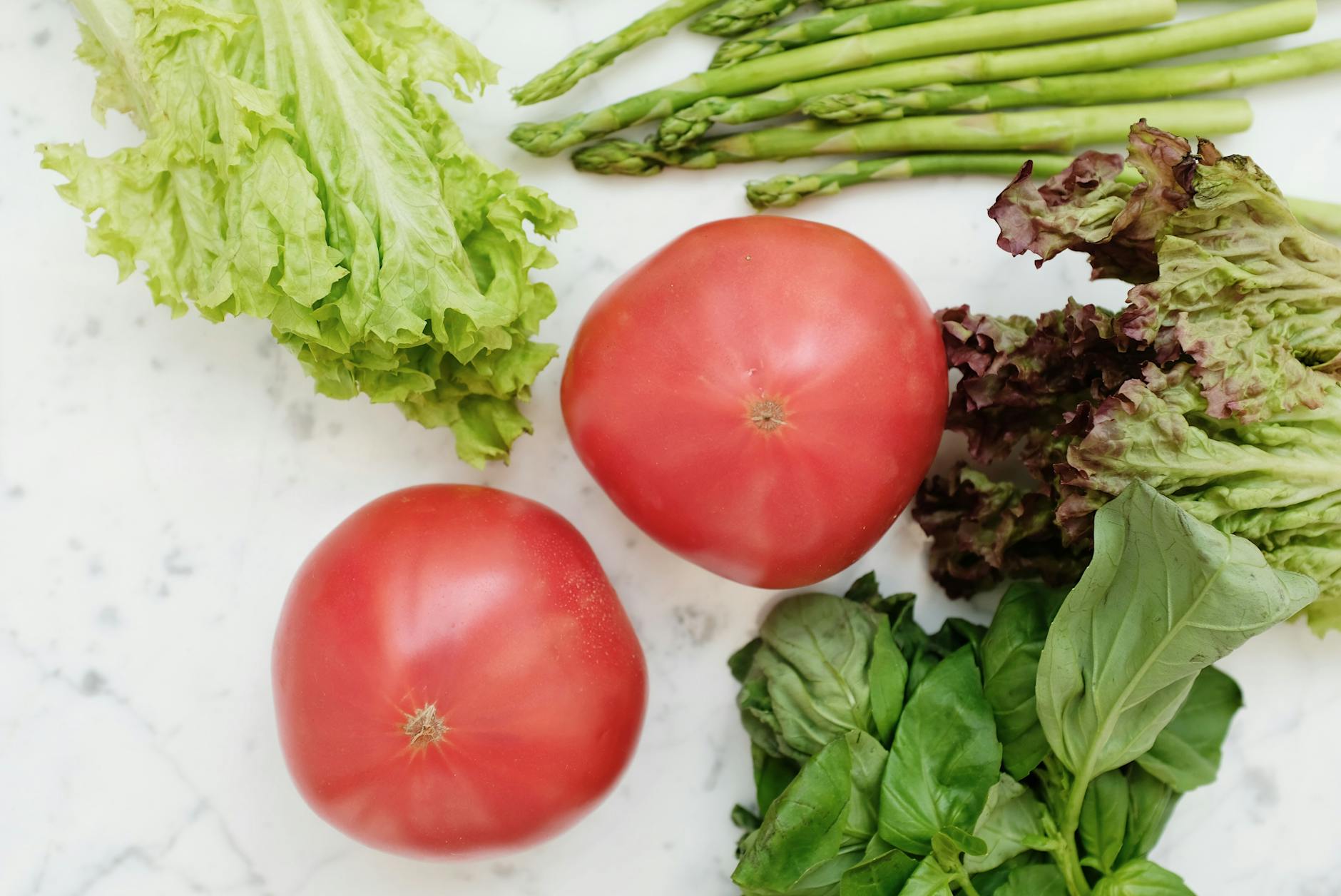
If you’re considering dietary changes for dementia prevention, focus on what to add rather than what to eliminate. Start by incorporating more whole grains—brown rice, quinoa, oats, and whole wheat bread—which provide steady glucose levels and contain B vitamins crucial for brain function. Add legumes to several meals weekly: lentils, chickpeas, black beans, and peas are inexpensive, shelf-stable sources of protein and fiber that support both gut health and cognitive function. Vegetables should occupy the largest portion of your plate, with an emphasis on dark leafy greens (spinach, kale, collards), cruciferous vegetables (broccoli, cauliflower, Brussels sprouts), and colorful options (bell peppers, tomatoes, carrots).
Berries—blueberries especially—contain anthocyanins linked to memory protection. Nuts and seeds provide healthy fats essential for brain tissue; a small handful daily of almonds, walnuts, or sunflower seeds offers cognitive benefits. The tradeoff to understand: transitioning to a plant-forward diet typically means spending more time on food preparation, at least initially. Packaged plant-based convenience foods can feel easier but often contain the refined carbohydrates and added sugars that negate the protective benefits. However, learning to cook whole foods gets faster with practice, and batch cooking on weekends can make weeknight meals easier.
Common Mistakes in Plant-Based Eating That Harm Brain Health
Many people adopting plant-based diets accidentally fall into the low-quality category without realizing it. Replacing meat with plant-based meat substitutes, processed cheese alternatives, and white-bread vegan baked goods creates a technically plant-based but nutritionally weak diet. These ultra-processed foods contain added sugars, excess sodium, and refined vegetable oils that promote inflammation in the brain. A warning worth emphasizing: “plant-based” on a label doesn’t mean “brain-healthy.” Another common limitation: nutrient deficiencies. Strict plant-based diets require careful planning to ensure adequate B12, iron, omega-3 fatty acids, and vitamin D. B12 deficiency, in particular, can contribute to cognitive problems and neurological damage.
Anyone adopting plant-based eating should discuss supplementation strategies with a healthcare provider, particularly someone monitoring dementia risk. This is especially important for older adults, whose ability to absorb B12 from food naturally declines. A third consideration: sustainability matters. A diet you can’t maintain provides no long-term brain protection. If you dislike legumes, find alternative protein sources like tofu, tempeh, or nuts. If you don’t enjoy certain vegetables, explore different cooking methods—roasted vegetables taste entirely different from raw versions. The goal is building a plant-forward eating pattern you’ll actually follow for years.

Age and Diet Change: It’s Never Too Late
One encouraging finding from the research: the protective effect of plant-based eating held even for people who adopted these dietary changes in middle age or later. You don’t need to have eaten this way your entire life to gain dementia protection. A 65-year-old who shifts to a high-quality plant-based diet reduces their dementia risk compared to maintaining a processed-food diet.
This finding matters enormously for dementia prevention efforts, as it means older adults facing cognitive concerns can still make meaningful dietary changes. For example, someone might have spent decades eating a standard Western diet and worry that dietary changes come too late. The research suggests otherwise. Making the shift in your 60s or even 70s still provides measurable cognitive benefits over the subsequent decade.
What This Means for Dementia Prevention Strategy
While diet is crucial for brain health, dementia prevention requires multiple strategies working together. Plant-based eating works synergistically with other protective factors: regular physical activity, cognitive engagement, quality sleep, strong social connections, and managing cardiovascular risk factors like blood pressure and diabetes.
Someone eating perfectly but remaining sedentary and isolated will have less cognitive protection than someone with a good diet who also exercises and maintains relationships. Looking forward, ongoing research will likely refine our understanding of which specific plants offer maximum cognitive protection and whether certain combinations work better than others. For now, the evidence strongly suggests that prioritizing whole plant foods while minimizing processed foods—plant-derived or otherwise—is one of the most practical steps families can take to reduce dementia risk across generations.
Conclusion
The claim that Mayo Clinic linked vegan diets to higher dementia risk is false. The actual research shows that high-quality plant-based diets protect against dementia, reducing risk by 12%, while low-quality plant-based diets may increase risk.
The distinction between whole plant foods and processed plant products is essential for anyone seeking cognitive protection through diet. If you’re concerned about dementia risk—whether for yourself or a family member—focusing on nutrient-dense whole plant foods offers one of the most evidence-backed dietary strategies available. Combined with exercise, social engagement, and regular medical checkups, plant-forward eating provides a practical, accessible approach to supporting long-term brain health.