Reviewed by the Help Dementia Editorial Team — our editors review every article for accuracy against guidance from the National Institute on Aging, the Alzheimer’s Association, and peer-reviewed sources.
Mayo clinic sits at the center of this dementia and brain health question.
A claim circulating online suggests that Mayo Clinic researchers have linked broccoli to higher dementia risk. This assertion is not supported by any current Mayo Clinic research. In fact, no such study exists. This type of health misinformation can cause real concern for families already worried about dementia prevention, leading them to unnecessarily avoid nutritious foods.
If you’ve encountered this claim and wondered whether you should stop eating broccoli or serving it to an aging parent, rest assured: the actual scientific evidence points in the opposite direction. Mayo Clinic, one of the world’s leading medical research institutions, has not published findings suggesting broccoli increases dementia risk. Instead, their recent research focuses on genuine risk factors like chronic insomnia (which increases dementia risk by 40%) and the development of predictive tools that can identify Alzheimer’s risk years before symptoms appear. The confusion may stem from how medical findings are sometimes misrepresented as they spread online, turning prevention strategies into prevention nightmares.
Table of Contents
- What Did Mayo Clinic Actually Study About Dementia Risk?
- The Truth About Broccoli and Brain Health
- Understanding Sulforaphane and Neuroprotection
- Foods That Research Actually Supports for Dementia Prevention
- How Health Misinformation Spreads and Why It Matters
- What Caregivers Should Actually Focus On for Dementia Prevention
- Moving Forward With Evidence-Based Brain Health
- Conclusion
What Did Mayo Clinic Actually Study About Dementia Risk?
mayo Clinic’s recent dementia research has centered on identifying genuine risk factors and developing tools for early detection, not on condemning specific foods. One landmark study published in The Lancet Neurology revealed that Mayo Clinic scientists developed a dementia risk prediction tool capable of estimating Alzheimer’s risk years before cognitive symptoms emerge. This tool draws from decades of data collected through the Mayo Clinic Study of Aging, making it a significant advancement in preventive neurology. Another significant Mayo Clinic finding involved chronic insomnia.
Researchers discovered that people with chronic insomnia had approximately a 40% higher likelihood of developing dementia or mild cognitive impairment. To put this in perspective, this increased risk is equivalent to roughly 3.5 additional years of cognitive aging. This finding is actionable for patients and caregivers: addressing sleep problems becomes a legitimate dementia prevention strategy, something families can actually work on with their physicians. No food has ever shown such a clear and measurable relationship to dementia risk in Mayo Clinic research.
The Truth About Broccoli and Brain Health
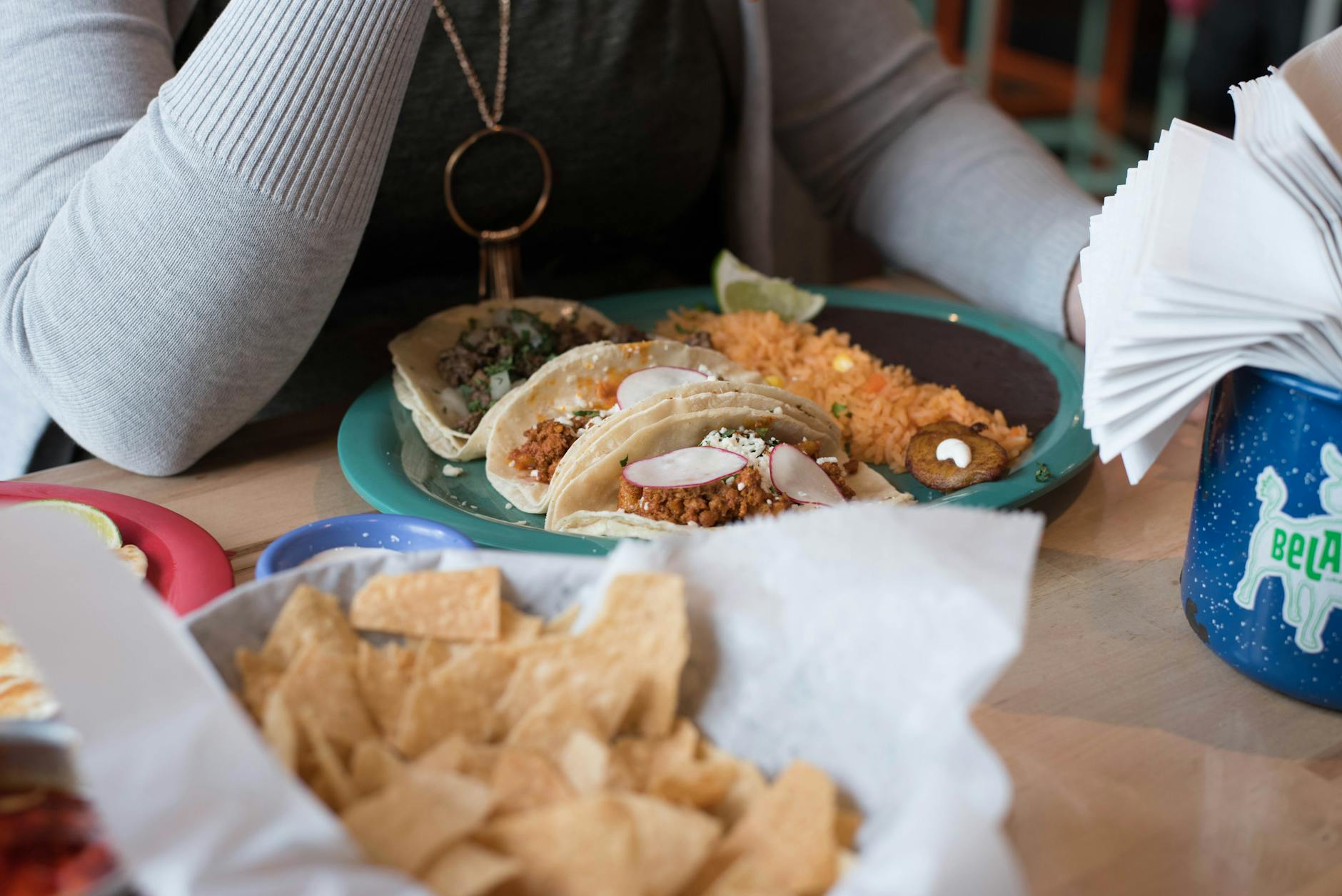
Rather than linking broccoli to dementia risk, Mayo Clinic Press publishes content about “the best foods for reducing dementia risk”—and broccoli appears on that list. This distinction matters for families navigating dietary decisions. Cruciferous vegetables like broccoli, cauliflower, Brussels sprouts, and cabbage contain compounds that research suggests may protect cognitive function rather than harm it.
The compound primarily responsible for broccoli’s potential brain benefits is sulforaphane, a natural chemical released when broccoli is chopped or chewed. Scientific research examining sulforaphane’s effects on Alzheimer’s disease models has demonstrated neuroprotective properties, including suppression of tau hyperphosphorylation—a hallmark of Alzheimer’s pathology—and improvements in cognitive deficits. While most of this research has been conducted in laboratory and animal models rather than large human clinical trials, the direction of evidence is consistent: broccoli appears to support brain health, not undermine it. The absence of a large randomized controlled trial in humans doesn’t mean broccoli is harmful; it simply means researchers haven’t yet completed that specific study.
Understanding Sulforaphane and Neuroprotection
Sulforaphane works through multiple mechanisms that neuroscientists are still elucidating. This compound activates pathways in the brain that enhance the body’s natural antioxidant and anti-inflammatory defenses. For someone at risk of Alzheimer’s disease, these processes matter because inflammation and oxidative stress are believed to contribute to neurodegeneration. Think of sulforaphane as providing backup support to the brain’s self-maintenance systems.
The practical limitation worth noting: sulforaphane content varies depending on how broccoli is prepared. Raw broccoli contains more sulforaphane than cooked broccoli, though cooking broccoli lightly (steaming rather than boiling) preserves more of the compound than prolonged heating. A person concerned about maximizing sulforaphane intake might choose raw broccoli in salads or lightly steamed broccoli rather than fully cooked versions. However, even cooked broccoli retains nutritional value through fiber, vitamins, and minerals that support overall health—so the “perfect” preparation shouldn’t be a barrier to eating it at all.
Foods That Research Actually Supports for Dementia Prevention
Mayo Clinic’s evidence-based recommendations for dementia prevention include a Mediterranean-style diet rich in vegetables, fish, whole grains, nuts, and olive oil. Broccoli fits naturally into this pattern. Other foods with research support for brain health include fatty fish (salmon, sardines, mackerel) rich in omega-3 fatty acids, berries high in anthocyanins, leafy greens like spinach and kale, nuts and seeds, and olive oil as a primary fat source.
The tradeoff families often face is between “perfect” diets and sustainable ones. A person with dementia risk who enjoys broccoli but dislikes sardines shouldn’t feel pressured to force fish they hate while avoiding broccoli they like. A diet someone will actually follow long-term—incorporating broccoli, other vegetables, and foods they enjoy—provides more cumulative benefit than a theoretically optimal diet abandoned after two weeks. The evidence supports dietary patterns, not isolated foods, so the focus should remain on overall eating habits rather than obsessing over individual vegetables.
How Health Misinformation Spreads and Why It Matters
Health misinformation often spreads through a process of gradual distortion. A legitimate study about one finding gets simplified, then misquoted, then inverted entirely. By the time a claim reaches social media, it bears little resemblance to the original research. For dementia-related claims, this pattern is particularly harmful because families are already frightened and actively seeking information about prevention. When people encounter false claims like “broccoli causes dementia,” the damage extends beyond just the misinformation itself.
Some individuals stop eating nutritious foods unnecessarily. Others lose trust in health institutions when they later learn the claim was unfounded. Still others become paralyzed by conflicting information and make no dietary changes at all. For caregivers managing someone’s nutrition while trying to support cognitive health, this confusion can interfere with making evidence-based decisions. The most important warning: always verify health claims through institutional sources like Mayo Clinic’s official website, peer-reviewed journals, or your physician rather than relying on social media or unsourced blog posts.
What Caregivers Should Actually Focus On for Dementia Prevention
The most actionable dementia prevention strategies based on current research include managing sleep quality, staying cognitively and physically active, maintaining social connections, controlling blood pressure and cholesterol, managing diabetes, and eating a Mediterranean-style diet. Of these, sleep emerged as surprisingly powerful in Mayo Clinic research—treating chronic insomnia can meaningfully reduce dementia risk.
For families managing nutrition for a parent or spouse with dementia risk, the practical approach is straightforward: serve a variety of vegetables including broccoli, along with fish, whole grains, and healthy fats. Don’t force any single food, but don’t avoid nutritious options based on false claims either. A 75-year-old who eats broccoli three times a week as part of an otherwise healthy diet is engaging in legitimate dementia prevention based on the best current evidence.
Moving Forward With Evidence-Based Brain Health
As dementia research continues evolving, Mayo Clinic and other institutions will refine our understanding of prevention. New studies will emerge about various compounds, dietary patterns, and lifestyle factors.
The key skill families need isn’t memorizing every finding, but rather developing an ability to evaluate sources critically: Is this from a major medical institution or a health website? Is it peer-reviewed research or an anecdotal testimonial? Does it align with established medical consensus? The good news is that evidence-based dementia prevention doesn’t require perfection or restriction. It involves reasonable choices: sleeping better, staying active, eating a variety of whole foods, and maintaining an engaged mind and social life. Broccoli fits comfortably into this picture—not as a miracle food, but as one nutritious vegetable among many that support brain health.
Conclusion
The claim that Mayo Clinic linked broccoli to higher dementia risk is not supported by any current research and appears to be misinformation. Mayo Clinic’s actual recent findings point toward genuine risk factors like chronic insomnia and toward evidence-based prevention through diet, exercise, cognitive engagement, and sleep quality. Broccoli contains sulforaphane and other compounds with neuroprotective properties shown in research models, making it a reasonable choice within a dementia-prevention diet.
If you’ve been concerned about this claim, you can confidently continue eating broccoli and other cruciferous vegetables as part of a healthy diet. When you encounter similar health claims online, take the time to verify them through official medical institution websites or speaking with your physician. For dementia prevention, focus on the evidence-supported fundamentals: good sleep, regular activity, cognitive engagement, and a Mediterranean-style diet that includes nutritious vegetables like broccoli. That approach serves brain health far better than avoiding foods based on false claims.
You Might Also Like
- Mayo Clinic Links wild blueberries to Higher Dementia Risk in New Study
- Mayo Clinic Links walnuts to Higher Dementia Risk in New Study
- Mayo Clinic Links turmeric to Higher Dementia Risk in New Study
For more, see NIH MedlinePlus — cognitive testing.