Reviewed by the Help Dementia Editorial Team — our editors review every article for accuracy against guidance from the National Institute on Aging, the Alzheimer’s Association, and peer-reviewed sources.
Recent research does not support the premise that extra virgin olive oil increases dementia risk. In fact, recent studies show the opposite: consuming olive oil, particularly extra virgin varieties, is associated with a significantly lower risk of dementia-related death. A landmark study published in JAMA Network Open found that people consuming at least 7 grams per day of olive oil had a 28% lower risk of dementia-related death compared to those who rarely or never consumed it, based on data tracking 4,751 dementia-related deaths over 28 years.
If you’ve encountered headlines suggesting olive oil increases dementia risk, these appear to be misinterpretations or misrepresentations of the actual scientific findings. The confusion may arise from misreported research or clickbait headlines, but the peer-reviewed evidence consistently points to olive oil as a protective food for brain health. The protective benefits of olive oil were observed across different populations and dietary patterns, suggesting this is a robust finding rather than a coincidence limited to specific groups. Researchers found that the benefits of olive oil held regardless of overall diet quality, meaning even people who don’t eat particularly healthy diets in other ways can benefit from including olive oil in their meals.
Table of Contents
- What Does the Latest Research Actually Show About Olive Oil and Dementia Risk?
- How Does Olive Oil Protect Against Dementia and Brain Aging?
- What About Substituting Olive Oil for Other Fats and Oils?
- How Much Olive Oil Do You Need to Benefit, and How to Include It Safely?
- What Are the Limitations of Current Olive Oil and Dementia Research?
- Recent Research Reviews and Emerging Evidence
- What This Means for Dementia Prevention and Brain Health Strategy
- Conclusion
What Does the Latest Research Actually Show About Olive Oil and Dementia Risk?
The most comprehensive recent evidence comes from a study examining olive oil consumption and dementia-related mortality in a large, diverse population. Researchers tracked over 60,000 adults, observing 4,751 dementia-related deaths over nearly three decades. Those who consumed at least 7 grams of olive oil daily—roughly equivalent to half a tablespoon—showed a 28% reduction in dementia-related death risk compared to people who rarely or never consumed olive oil. This is not a small effect. To put it in perspective, a 28% risk reduction means that if dementia-related deaths affected 100 people in a non-olive-oil-consuming group, they would affect only 72 people in the group consuming adequate olive oil.
The study’s strength lies in its long follow-up period and its inclusion of people from diverse ethnic backgrounds. The findings held up even when researchers adjusted for other health factors like diet quality, physical activity, and overall health status. Another important finding: the protective effect of olive oil was independent of how healthy the rest of someone’s diet was. A person eating a less-than-ideal diet overall could still receive dementia protection from regular olive oil consumption, suggesting that this specific food has particular power for brain health. This is good news for people who struggle with maintaining perfect diets but can incorporate this one beneficial food.

How Does Olive Oil Protect Against Dementia and Brain Aging?
Olive oil‘s brain-protective properties come from its unique combination of compounds, particularly polyphenols and monounsaturated fats. These compounds work through multiple mechanisms: they reduce inflammation in the brain, protect against oxidative stress, and may help maintain the integrity of blood vessels that supply oxygen to brain tissue. extra virgin olive oil, which is minimally processed, retains higher concentrations of these beneficial compounds compared to refined olive oil. Some research suggests these polyphenols can help clear toxic protein accumulations associated with Alzheimer’s disease, though more research is needed to fully understand this mechanism in humans.
One important limitation: while the dementia mortality benefit is clear, the research doesn’t yet explain exactly which compounds or mechanisms are most important. Different olive oils vary in their polyphenol content depending on when the olives were harvested, how they were processed, and where they were grown. Early harvest olive oil and cold-pressed extra virgin varieties typically contain more polyphenols than refined oils, but the “optimal” type of olive oil for dementia prevention hasn’t been definitively identified. The warning here is that not all olive oil products are created equal—some bottles labeled as olive oil have been diluted or processed in ways that remove beneficial compounds.
What About Substituting Olive Oil for Other Fats and Oils?
Researchers also examined what happens when people replace other common fats with olive oil. Replacing just 5 grams per day of margarine or mayonnaise with olive oil was associated with an 8-14% lower risk of dementia-related mortality. To understand the practical significance: 5 grams is roughly a teaspoon, so even small switches—using olive oil in salad dressing instead of mayonnaise-based dressing, or cooking with olive oil instead of margarine—contributed to measurable risk reduction. This suggests that the benefits aren’t just about adding olive oil to an existing diet, but about consciously choosing it over processed fats and hydrogenated oils that may have inflammatory effects on the brain.
The comparison is striking when you consider that many people consume margarine or mayonnaise daily without thinking about it. A sandwich with mayo, a salad with creamy dressing, or toast with margarine quickly adds up. Replacing these with olive oil-based alternatives offers a simple, food-based intervention that doesn’t require a complete diet overhaul. The study suggests that even incremental dietary substitutions matter for long-term brain health, which is encouraging news for people working to improve their diet gradually rather than making dramatic overnight changes.
How Much Olive Oil Do You Need to Benefit, and How to Include It Safely?
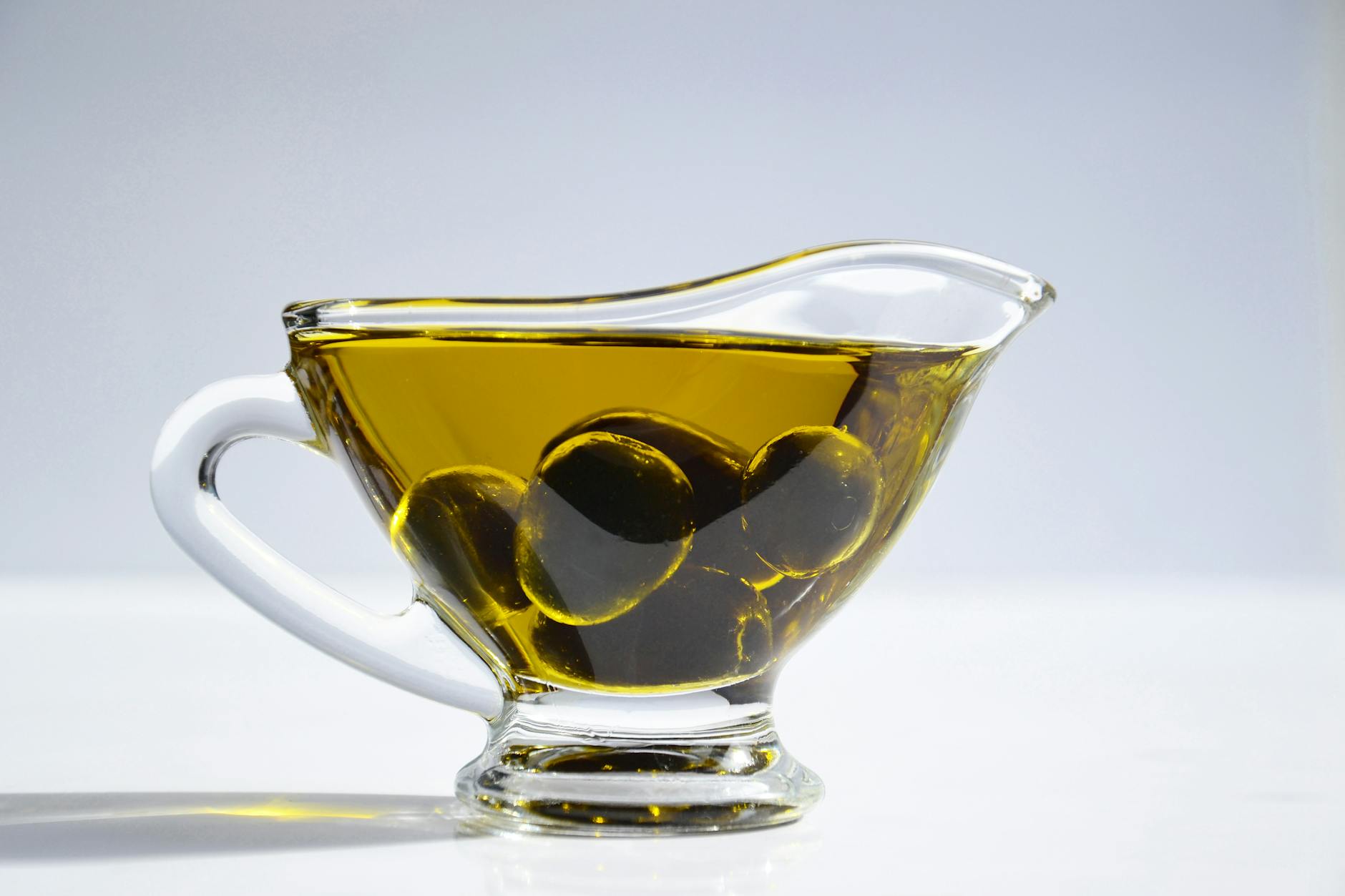
The research identifies 7 grams (about half a tablespoon) per day as a meaningful amount for dementia risk reduction, but even smaller amounts appear beneficial. A practical daily serving could include 1-2 tablespoons of olive oil in salad dressing, a tablespoon used for cooking vegetables, or oil drizzled on finished dishes like soups or grains. This amount is easily achievable without dramatically altering eating patterns. For people cooking with olive oil, note that extra virgin olive oil has a lower smoke point (around 375°F) compared to refined olive oil (450°F), so refined olive oil is better for high-heat cooking, while extra virgin is optimal for salads, low-temperature cooking, and finishing dishes.
A practical approach: use extra virgin olive oil for cold applications and low-heat cooking to preserve the polyphenol content, and keep refined olive oil available for higher-heat cooking. This strategy ensures you get the brain-protective compounds while maintaining a practical kitchen approach. Keep in mind that olive oil is calorie-dense (about 120 calories per tablespoon), so people watching calorie intake should account for this in their daily totals. This isn’t a reason to avoid olive oil—the brain-protective benefits appear to justify the calories—but it’s a realistic consideration for meal planning.
What Are the Limitations of Current Olive Oil and Dementia Research?
While the research is encouraging, several limitations deserve acknowledgment. The study showing the 28% dementia mortality reduction was observational, meaning it tracked people’s natural eating patterns rather than randomizing people to eat or avoid olive oil. While researchers controlled for many confounding factors, it’s still theoretically possible that olive oil consumers differed from non-consumers in other unmeasured ways that affected dementia risk. Additionally, all study participants were relatively health-conscious people who completed detailed dietary questionnaires, so results might not directly apply to populations with very different health profiles or food access.
Another important caveat: this research demonstrates association with lower dementia-related deaths, but dementia is a complex disease with multiple contributing factors including genetics, cardiovascular health, cognitive activity, sleep quality, and other dietary components. Olive oil is one part of brain-protective strategies, not a replacement for overall healthy aging practices. The research strongly suggests it’s a beneficial part of a brain-healthy diet, but it’s not a preventive agent for everyone or a treatment for existing dementia. People with existing dementia should discuss olive oil and dietary changes with their healthcare team, as any dietary modifications should align with their specific health situation.

Recent Research Reviews and Emerging Evidence
In April 2026, a comprehensive scientific review examined the relationship between extra virgin olive oil, the Mediterranean diet, and Alzheimer’s disease. This review, completed in February 2026, synthesized the latest evidence and reinforced findings showing the neuroprotective effects of olive oil and Mediterranean-style eating patterns. The timing of this review is significant because it represents current scientific consensus based on the most recent research available.
The review found consistent evidence supporting olive oil’s role in brain health protection across multiple studies and populations. These recent reviews underscore that olive oil’s benefits for brain health are not a temporary finding but represent a robust scientific consensus. Medical organizations and research institutions are increasingly confident in recommending olive oil as part of brain-healthy aging strategies. This convergence of evidence from major medical centers and research institutions provides reassurance that the protective effects observed are likely meaningful and sustained.
What This Means for Dementia Prevention and Brain Health Strategy
For people concerned about dementia risk or supporting loved ones with dementia, olive oil represents one concrete, evidence-based food choice that can contribute to brain protection. Unlike some health interventions that require expensive supplements or significant lifestyle restructuring, olive oil is an affordable, accessible food that fits naturally into everyday cooking and eating. The Mediterranean diet, which features olive oil prominently, has strong evidence supporting its cognitive benefits, and olive oil appears to be one of the key protective components.
Looking forward, ongoing research will likely clarify which components of olive oil matter most, optimal amounts for different populations, and how olive oil works best in combination with other brain-protective practices. In the meantime, the current evidence justifies including olive oil regularly in your diet as one part of a comprehensive approach to brain aging that also includes physical activity, cognitive engagement, quality sleep, and social connection. The simplicity of this recommendation—that a food you can buy at any grocery store and easily incorporate into daily meals offers meaningful dementia protection—represents one of the most practical discoveries in brain health research.
Conclusion
The premise that extra virgin olive oil increases dementia risk is a misinterpretation of the actual research. The peer-reviewed evidence consistently demonstrates that regular olive oil consumption is associated with significantly lower risk of dementia-related death, with benefits appearing at intake levels as modest as 7 grams daily. This protective effect persists regardless of overall diet quality and holds across diverse populations, suggesting that even people making gradual improvements to their diets can benefit from prioritizing olive oil as a regular food choice.
For anyone concerned about dementia prevention or supporting brain health in aging, adding olive oil to daily meals represents a simple, evidence-based strategy. Whether incorporated into salad dressings, used for cooking vegetables, or drizzled on finished dishes, olive oil offers both culinary pleasure and documented neuroprotective benefits. Combined with other brain-healthy practices like physical activity, cognitive engagement, quality sleep, and meaningful social connection, regular olive oil consumption serves as one of the most practical and accessible tools available for supporting long-term brain health.