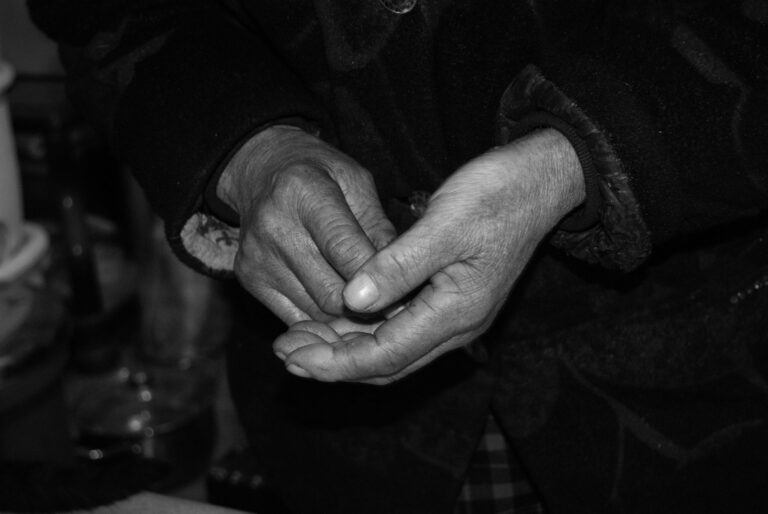
On a low-energy dementia day, simple strength work means short, seated moves that build muscle without pressure to keep going. A calm 30-minute session lets the person join in as much or as little as they wish, with gentle moves and slow breathing to finish. Strength exercise means making muscles push against weight, often body weight. The Alzheimer's Society says this seated style suits low-energy days because choice stays with the person gentle seated exercise guide.
Medical information disclaimer: This article is for general educational purposes only and does not provide medical advice, diagnosis, or treatment. Always consult a physician or other qualified health professional about symptoms, medications, tests, or treatment decisions.
Table of Contents
- How do you set up safely?
- Which seated moves work best tired?
- How do you build leg strength from the chair?
- How does a short session fit the wider week?
How do you set up safely?
Use a stable chair that does not roll or tip. Place feet flat, keep water nearby, and clear space around the chair.
Build slowly and keep cues short. The NHS advises slow buildup on chair exercises, and GP advice if health is uncertain.
Which seated moves work best tired?
Start with marching in place while sitting upright. An Alzheimer's Society factsheet lists marching, raising heels and toes, bending arms and legs, circling arms, and sit-to-stand practice. Add seated hip marching for hips and thighs.
The NHS describes sitting tall without leaning, holding the chair sides, lifting one bent knee comfortably, then lowering with control NHS sitting exercises. Let the person skip any move. End with slow breaths and relaxed shoulders.
- March in chair for 20 to 30 seconds, rest, repeat if wanted
- Lift heels, then toes, 5 times each with control
- Bend and straighten elbows, then knees, 5 times each
- Circle shoulders and arms slowly, 5 times each way
- Do 5 hip marches per leg, lowering slowly
How do you build leg strength from the chair?
Use sit-to-stand when energy allows. The NHS describes sitting on the chair edge, feet hip-width apart, leaning slightly forward, standing slowly without using arms, then sitting slowly NHS strength exercises.
The NHS also lists chair-supported options such as mini-squats holding the chair back, calf raises lifting both heels slowly, sideways leg lifts, and wall press-ups. Keep each near 5 repetitions and stop before strain.
- Sit tall near the chair edge
- Feet flat, hip-width apart, hands hovering near support
- Lean slightly forward, stand slowly
- Pause, then sit slowly with control
- Aim for 5 slow repetitions, resting between each
How does a short session fit the wider week?
The CDC advises adults 65 and older to do muscle-strengthening activity at least 2 days per week, plus balance activity and about 150 minutes of moderate aerobic activity weekly. One tired day does not need to meet that target.
Alzheimer Europe reports a 6-month trial in 44 adults over 55 with mild cognitive impairment where twice-weekly supervised resistance training on 10 major-muscle exercises helped preserve memory-linked white-matter tissue. That finding is small and in mild impairment, not advanced dementia, so treat movement as daily support rather than treatment. Stop if pain, dizziness, chest discomfort, or confusion rises, and seek GP advice if unsure.