Reviewed by the Help Dementia Editorial Team — our editors review every article for accuracy against guidance from the National Institute on Aging, the Alzheimer’s Association, and peer-reviewed sources.
Guaifenesin dominated health conversations during the January 2026 cold wave not because it’s a miracle cure, but because respiratory illness and extreme cold created a perfect storm for cough and congestion problems. When temperatures plummeted across North America in late January—with the most severe conditions hitting from January 24-26, 2026—hospitals reported peak respiratory illness hospitalizations alongside a surge in demand for mucus-clearing medications.
Guaifenesin, the only legally marketed expectorant available in the United States, became a lifeline for millions struggling with productive coughs during a health crisis that claimed at least 22 lives and affected tens of millions of people across Canada, the United States, Mexico, and Central America. The connection between extreme cold and guaifenesin use reflects a biological reality: when respiratory viruses peak during winter months and harsh weather compounds breathing difficulties, people reach for medications that actually work. Research shows that 7 of 9 clinical studies demonstrated guaifenesin’s effectiveness at loosening mucus and making coughs more productive when people had cold or flu symptoms—a meaningful distinction for elderly individuals and those with dementia who already struggle with airway management and cognitive confusion during illness.
Table of Contents
- Why Did the January 2026 Cold Wave Trigger a Respiratory Health Crisis?
- Understanding Guaifenesin’s Role in Respiratory Health During Cold Months
- The Cognitive Impact of Respiratory Illness and Hypothermia in Older Adults
- Safe Medication Use and Cold Wave Survival Strategies
- Supply Chain Disruptions and the Guaifenesin Shortage Context
- Protecting Vulnerable Populations During Extreme Cold Events
- Looking Ahead: Winter Preparedness for Brain Health
- Conclusion
Why Did the January 2026 Cold Wave Trigger a Respiratory Health Crisis?
The January–February 2026 North American cold wave didn’t just bring snow; it created cascading health problems that affected respiratory systems across millions of households. Peak respiratory illness hospitalizations occurred during the week ending January 3, 2026, involving combined cases of COVID-19, influenza, and RSV. By the time the worst winter storm arrived on January 24-26, 2026—bringing snow, sleet, and freezing rain from eastern Texas to New England—hospitals were already stretched thin with respiratory patients, and people at home were desperately seeking relief from severe coughing.
Cold air irritates airways and worsens mucus production, while simultaneously, winter viruses spread more easily indoors as people congregate for warmth. This biological one-two punch explains why guaifenesin searches and pharmacy demand spiked during this period. For dementia care facilities and family caregivers, the challenge was even more acute: older adults with cognitive decline may not communicate breathing discomfort clearly, making productive cough relief a practical priority rather than a luxury.

Understanding Guaifenesin’s Role in Respiratory Health During Cold Months
Guaifenesin works as a mucoactive agent—meaning it chemically loosens thick mucus in the respiratory tract, making coughs more productive rather than dry and hacking. This distinction matters significantly for dementia patients, whose swallowing reflexes and cough mechanisms are often compromised. A dry, unproductive cough can lead to aspiration risk and sleeplessness, while a productive cough clears the airway and reduces infection risk.
However, guaifenesin has important limitations. It only works when people stay adequately hydrated, since the medication increases mucus fluidity—without enough fluid intake, mucus can thicken further and cause more problems. Additionally, guaifenesin works best for coughs caused by viral respiratory infections, not for coughs from heart disease, asthma, or other chronic conditions common in dementia populations. A physician or healthcare provider must assess whether guaifenesin is appropriate before use, especially for individuals taking multiple medications.
The Cognitive Impact of Respiratory Illness and Hypothermia in Older Adults
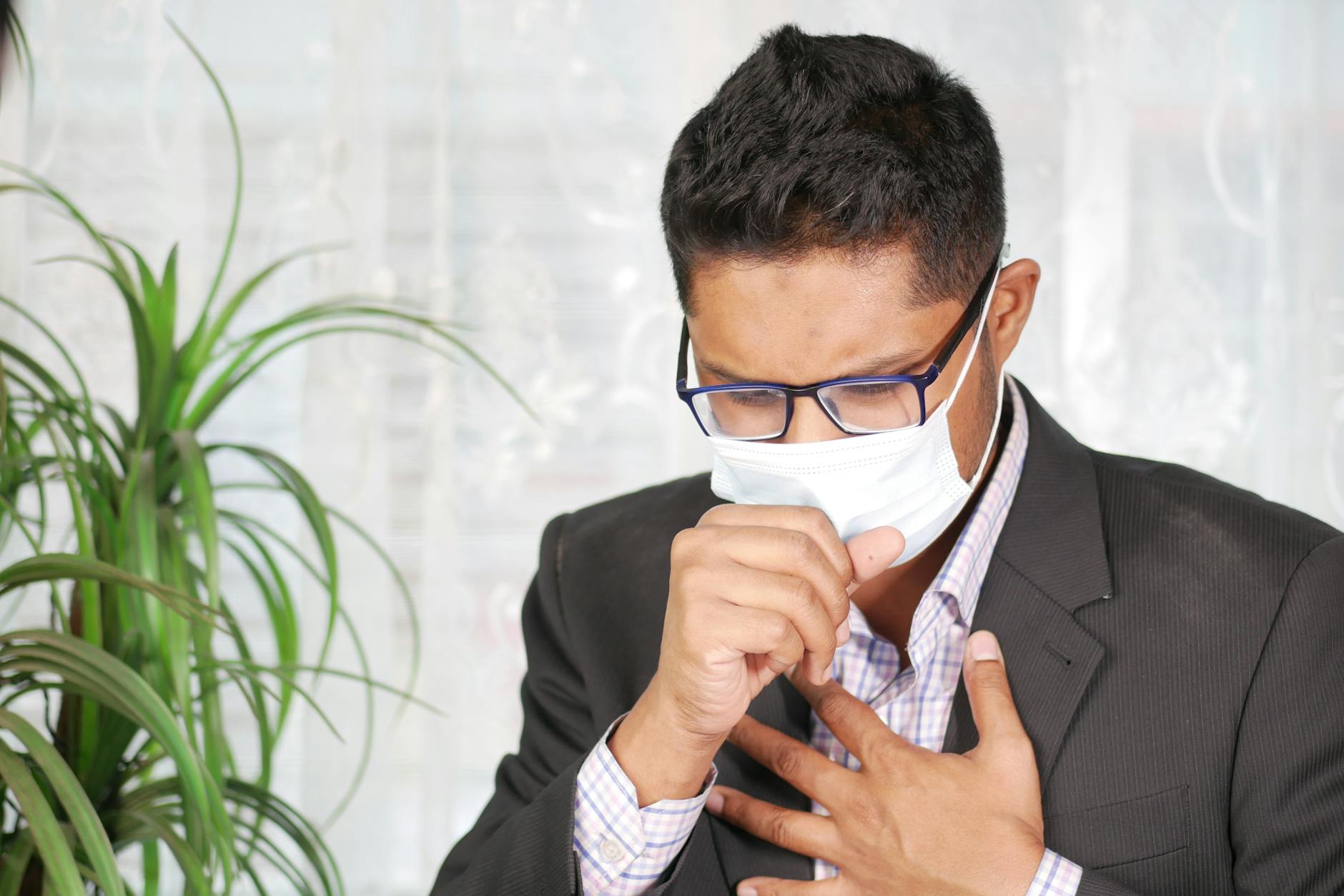
Respiratory infection during a cold wave affects more than just the lungs—it impairs cognitive function in ways that directly endanger people with dementia. Hypoxia (low oxygen), fever, and systemic inflammation from viral infection trigger delirium, confusion, and accelerated cognitive decline. When a person with dementia develops a cough during extreme cold, confusion and disorientation often appear before obvious fever or breathing difficulty, making diagnosis harder for family caregivers. Hypothermia presents an even more severe cognitive threat.
Early warning signs include shivering, exhaustion, confusion, memory loss, slurred speech, and drowsiness—symptoms nearly indistinguishable from dementia progression itself. The danger threshold is critical: when body temperature drops below 95°F, medical emergency exists. An older adult or dementia patient exposed to cold while confused or separated from caregivers may not seek warmth appropriately, creating a scenario where minutes matter. During the January 2026 cold wave, this risk was magnified by widespread power outages and transportation disruptions.
Safe Medication Use and Cold Wave Survival Strategies
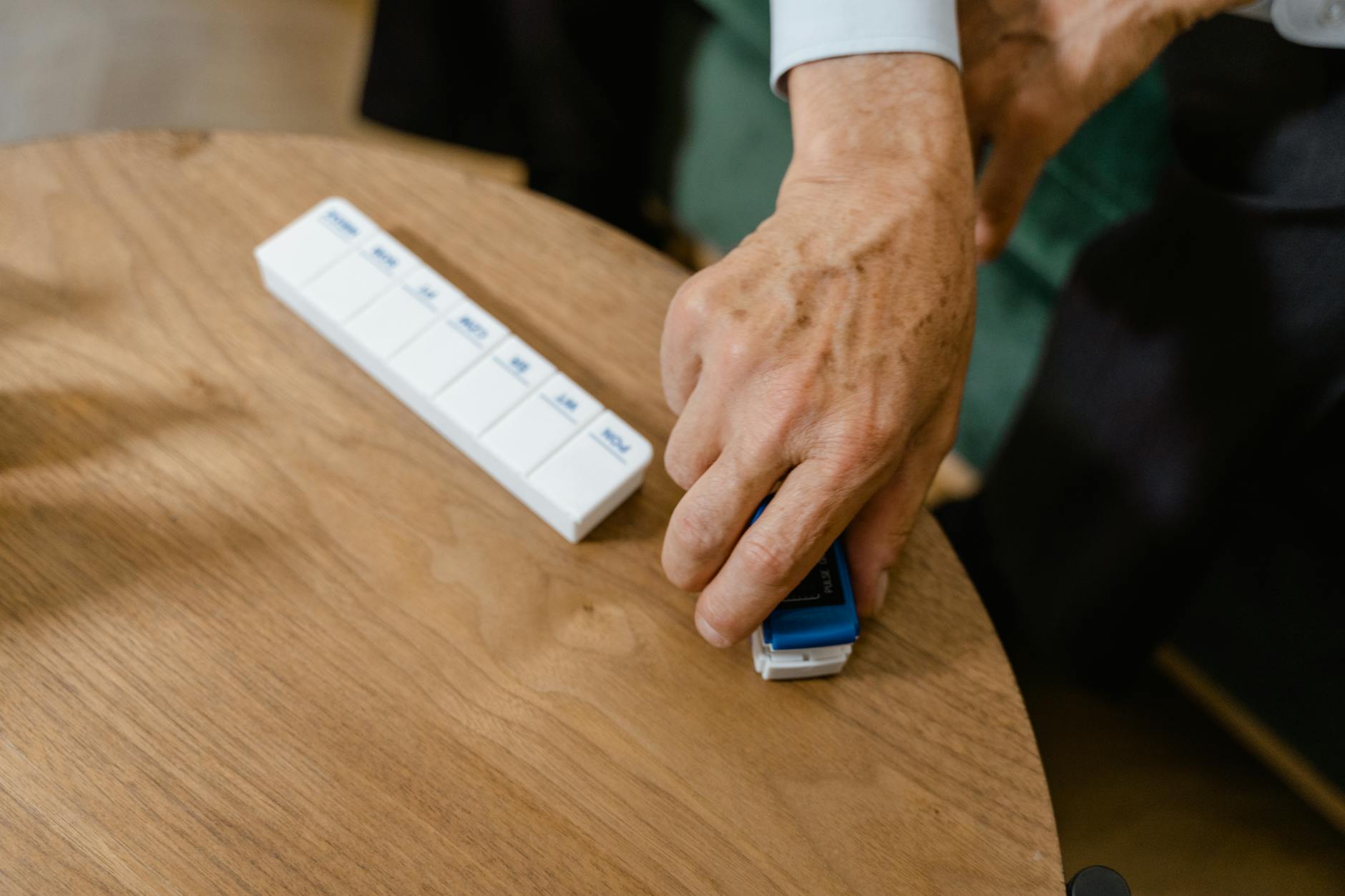
For people with dementia managing respiratory illness during winter, medication safety requires caregiver oversight. Guaifenesin is available over-the-counter and generally safe, but it should never be the only intervention. Increasing fluid intake, using a humidifier to add moisture to indoor air, and elevating the head while sleeping all support guaifenesin’s effectiveness.
The medication typically takes 4-6 hours to show results, meaning families should not expect immediate relief and should monitor for signs that symptoms are worsening rather than improving. Snow shoveling during extreme cold presents a separate but equally critical danger: the American Heart Association warned in January 2026 that the extra physical exertion in sub-zero temperatures causes dangerous cardiac stress. For family caregivers of dementia patients, this means delegating snow removal to younger, healthier individuals or hiring professional services rather than undertaking the physical strain themselves. A caregiver’s health directly affects their ability to manage a dependent’s crisis, making self-protection during cold waves a practical caregiving necessity.
Supply Chain Disruptions and the Guaifenesin Shortage Context
The January 2026 cold wave occurred against the backdrop of an existing pharmaceutical supply challenge. Beginning in January 2025, the FDA reported a recall affecting 4,080 bottles of Guaifenesin and Codeine Phosphate Oral Solution, pulled from pharmacy shelves due to contamination concerns. By the time the severe cold wave hit a year later, some guaifenesin formulations remained difficult to locate, and consumers faced higher prices and limited choices.
This supply disruption revealed a critical vulnerability: when millions of people need a specific medication simultaneously—during a major cold wave, for instance—pharmacy shelves empty quickly. Families managing dementia care during winter months should ideally maintain a small stock of over-the-counter guaifenesin before cold season peaks, rather than waiting until illness forces a pharmacy search. However, this requires advance planning that busy family caregivers often cannot prioritize until crisis hits.
Protecting Vulnerable Populations During Extreme Cold Events
Dementia care facilities faced particular challenges during the January 24-26, 2026 winter storm. Maintaining adequate heating, managing respiratory outbreaks, and keeping isolated residents from developing dangerous hypothermia required intensive coordination. Community-based facilities dependent on staff who must drive to work struggled when roads became impassable; understaffing during a respiratory illness outbreak creates conditions where medication management suffers and care quality declines.
For family caregivers, the lesson was sobering: extreme weather can rapidly make home-based dementia care untenable. Power outages disable medical equipment, heat loss becomes life-threatening within hours, and medication management becomes impossible if pharmacy access is disrupted. The January 2026 cold wave demonstrated that winter preparedness for dementia households should include backup power sources, adequate heating alternatives, emergency medication supplies, and clear protocols for when to seek facility-based care during severe weather.
Looking Ahead: Winter Preparedness for Brain Health
Climate patterns suggest that extreme cold waves will remain a recurring winter threat, meaning cold-related health crises for dementia populations are not one-time events but foreseeable challenges. Healthcare systems and dementia care providers are now implementing protocols based on lessons from January 2026: stockpiling medications before winter peaks, creating community warming centers accessible to vulnerable adults, and improving communication systems that function during power outages.
The January 2026 experience repositioned guaifenesin from a background over-the-counter option to a recognized part of winter respiratory health strategy. Moving forward, dementia care professionals increasingly recommend discussing cold-season medication management during annual care planning meetings, rather than addressing it reactively when illness strikes during extreme weather.
Conclusion
Guaifenesin kept coming up during the January 2026 cold wave because the combination of extreme cold and peak respiratory illness created genuine suffering that required practical intervention. The medication’s effectiveness—demonstrated in 7 of 9 clinical studies—made it a rational choice for people managing productive coughs, and its availability over-the-counter made it accessible when medical offices were closed due to weather.
However, guaifenesin alone cannot address the full spectrum of risks that extreme cold and respiratory illness pose to people with dementia. The real lesson from this winter crisis involves preparation and caregiver awareness: understanding how respiratory infection and cold exposure affect cognition, planning medication access in advance of winter, recognizing hypothermia symptoms that mimic dementia progression, and knowing when home-based care becomes unsafe. These strategies protect not just survival during a specific cold wave, but the quality of life and cognitive health of dementia patients through every winter season ahead.