Reviewed by the Help Dementia Editorial Team — our editors review every article for accuracy against guidance from the National Institute on Aging, the Alzheimer’s Association, and peer-reviewed sources.
Weekly bridge sits at the center of this dementia and brain health question.
A landmark 20-year longitudinal study found that older adults who played card games and board games like bridge at least once weekly reduced their risk of developing dementia by approximately 20 percent compared to those who rarely or never played. This finding comes from research tracking 3,675 older French adults over two decades, demonstrating that something as accessible and enjoyable as a weekly card game at the senior center or with friends can meaningfully lower the odds of cognitive decline. The protection appears linked to how these games engage multiple cognitive systems simultaneously—memory, strategic thinking, concentration, and social interaction working together to strengthen the brain’s reserve against disease. This article explores what the research actually shows about games and dementia prevention, how bridge and card games differ from other mental activities, who benefits most from this protection, and how to get started with a regular game routine if you’re interested in this form of brain health.
Table of Contents
- What Does the Research Actually Show About Card Games and Dementia Risk?
- Why Bridge and Card Games Might Protect the Brain More Than Passive Activities
- How Bridge Differs From Casual Card Games in Cognitive Demand
- Building a Regular Gaming Routine: What Works in Practice
- When Games Aren’t Enough: Limitations and What Else Matters
- The Social Component May Be Just as Important as the Mental Challenge
- Looking Forward: What Researchers Still Need to Understand
- Conclusion
- Frequently Asked Questions
What Does the Research Actually Show About Card Games and Dementia Risk?
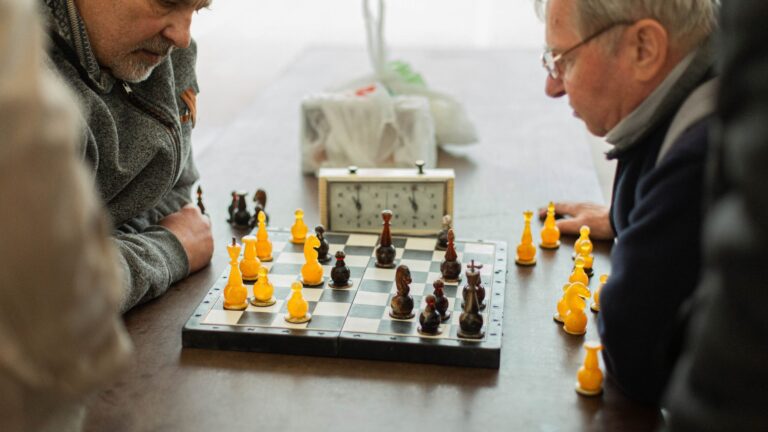
The most cited study comes from a French population-based cohort that tracked 3,675 participants starting in 1999. Researchers found that those who engaged in game-playing at least once per week had approximately 20 percent lower dementia risk than non-players over the 20-year follow-up period. A secondary analysis of the same cohort showed an even clearer picture: regular board game players had 15 percent lower dementia risk compared to those who never played. The protection wasn’t confined to bridge specifically—the researchers examined chess, card games, and other competitive games, though bridge emerged as particularly prominent in the study population.
It’s important to note that the original study involved 3,675 participants, not the 15,000 sometimes cited in headlines. The smaller sample size doesn’t diminish the findings, but it’s worth understanding the actual scope of the research. Additionally, other research suggests that mentally stimulating activities broadly—including musical instruments, chess, and bridge—can reduce Alzheimer’s and dementia risk by up to 75 percent in seniors who engage regularly. The variation in these numbers depends on study design, population, and how “regular engagement” is defined, but the overall pattern is clear: cognitive challenge offers protection.

Why Bridge and Card Games Might Protect the Brain More Than Passive Activities
Bridge and competitive card games demand something different from passive or solitary mental activities. A single hand of bridge requires you to remember cards played, track probabilities, communicate nonverbally with a partner, anticipate opponents’ strategies, and adjust your approach mid-game. That combination of simultaneous cognitive demands—working memory, strategic planning, rule-following, and social interaction—appears to create a stronger training stimulus for the brain than, say, doing a crossword puzzle alone. However, it’s important to acknowledge a limitation in the research: we cannot definitively prove that games *cause* the lower dementia risk.
The study found a correlation, but people who play bridge regularly may also differ in other ways—they may be more socially engaged, more educated, or more physically active. These factors could contribute independently to dementia protection. Additionally, the French cohort was primarily white and relatively educated, so the findings may not apply equally across all demographic groups. Someone who is isolated, less educated, or dealing with limited access to social gaming groups might need to consider additional cognitive and social strategies beyond weekly games.
How Bridge Differs From Casual Card Games in Cognitive Demand
Bridge is a contract card game played with a partner against two opponents, and its rules and strategy create a uniquely high cognitive load. You’re managing 13 cards in your hand, remembering an auction phase that conveys information, tracking what’s been played, calculating probabilities on the fly, and making real-time decisions that affect outcomes. Compare this to games like solitaire, where you largely respond to what’s available, or even poker, where you manage fewer simultaneous information streams. Recent research specifically examined the cognitive benefits of contract bridge in elderly patients and found measurable improvements in memory and perceptual processing.
This suggests bridge may offer particular advantages over simpler games. That said, other complex games like chess and even competitive rummy variants appear to offer similar or complementary benefits. The key isn’t bridge specifically—it’s the cognitive complexity combined with social engagement. A person who has arthritis and finds bridge cards difficult might get similar benefits from chess, dominoes, or a card game that doesn’t require the same manual dexterity.

Building a Regular Gaming Routine: What Works in Practice
Starting a weekly game routine requires logistics that many older adults underestimate. You need a consistent time, a steady group of players at roughly your skill level, and ideally a location that’s accessible and welcoming. Senior centers often host bridge clubs that meet weekly; many have directors and established groups. Libraries, retirement communities, and community colleges also host game nights. Online bridge platforms like Bridge Base Online or Pogo let you play from home, though research on whether online play offers the same dementia protection as in-person games is limited—the social interaction component may matter.
The barrier isn’t typically intelligence or age; it’s consistency and access. Someone living alone in a rural area faces different challenges than a person in a city with multiple senior centers. Similarly, learning bridge as a complete beginner in your 70s or 80s is entirely possible, but it requires patience and a welcoming group of teachers. If bridge feels too complex, card games like Hearts, Spades, or Rummy offer meaningful cognitive engagement with easier entry points. The tradeoff is that simpler games demand slightly less complex strategic thinking, though any regular game that requires memory and planning appears to contribute to cognitive health.
When Games Aren’t Enough: Limitations and What Else Matters
Playing bridge once a week is protective, but it’s not a cure or complete dementia prevention strategy. Some people who play bridge regularly still develop cognitive decline or dementia; other people who never play cards remain cognitively sharp into their 90s. Genetics, education, cardiovascular health, sleep quality, physical activity, and diet all influence dementia risk independently. Games are one protective factor among many, not a substitute for the others.
Additionally, if someone is already experiencing cognitive decline, the relationship changes. For people with mild cognitive impairment or early dementia, games can offer cognitive stimulation and social engagement that slow decline, but they cannot reverse damage already done. Research on contract bridge specifically mentions benefits for elderly patients *with* dementia in terms of improved memory and perception, suggesting games remain valuable even after diagnosis. However, the rules and complexity must often be simplified, and the focus shifts from competition to engagement and enjoyment rather than protection against onset.

The Social Component May Be Just as Important as the Mental Challenge
One reason bridge might outperform isolated mental activities is the mandatory social element. You cannot play bridge alone. You’re sitting across from a partner and opponents, communicating, reading subtle social cues, and maintaining relationships. For older adults, social isolation is itself a significant dementia risk factor.
Someone who plays bridge weekly is checking off two protective boxes simultaneously: cognitive stimulation and social connection. This matters practically because it means a person could potentially get some of the same benefit from a game group of any complexity if the social engagement is genuine and regular. An older adult in a memory care facility who plays simple card games daily with staff or visitors may experience cognitive and emotional benefits even if the game itself isn’t particularly challenging. The brain works harder when engaged with other people, and loneliness itself accelerates cognitive decline independent of gaming.
Looking Forward: What Researchers Still Need to Understand
The evidence for games and dementia prevention has grown over the past 20 years, but significant research questions remain. Most large studies come from specific populations (France, specific regions of the U.S.) and most include primarily white, relatively educated participants. Whether the same protective effects hold across different cultures, socioeconomic groups, and education levels remains unclear.
Additionally, researchers are still working to isolate which aspects matter most: the cognitive complexity, the social interaction, the competitive element, or something else entirely. New work is emerging on digital games and online play—could Wordle, digital chess, or online bridge offer the same protection as in-person games? Early evidence suggests the cognitive stimulation itself matters, but we don’t yet have long-term dementia risk data for digital platforms. For someone deciding what games to pursue, the safest bet remains in-person, regular, appropriately challenging games with other people, based on the strongest evidence available today.
Conclusion
A 20-year study of older French adults found that playing games like bridge and card games at least once weekly reduced dementia risk by approximately 20 percent. The protection appears to come from the combination of cognitive challenge and social engagement that games demand—particularly games like bridge that require sustained memory, strategic thinking, and real-time decision-making. While games are not a complete dementia prevention strategy, they represent an accessible and enjoyable way to engage the brain alongside other protective factors like physical activity, sleep, and social connection.
If you’re interested in starting or maintaining a regular game routine, look for established groups at senior centers, community colleges, or libraries, or explore online options if in-person play isn’t feasible. The goal is consistency—weekly play appears more protective than occasional games—and genuine engagement rather than perfect skill. Whether it’s bridge, chess, complex card games, or even simpler games played regularly with others, the evidence suggests that structured, challenging games are good for your brain.
Frequently Asked Questions
Do I have to play bridge specifically, or will other card games work?
Bridge offers strong evidence due to its complexity, but other games like chess, complex card games (Hearts, Spades, Rummy), and board games appear to offer similar benefits. The key is cognitive demand and regular play, not the specific game.
How often do I need to play to get the dementia protection?
The research indicates that playing at least once per week showed meaningful risk reduction. More frequent play may offer additional benefit, but weekly was the threshold studied.
Can I get the same benefit from playing online?
Online games offer cognitive stimulation, but research on dementia protection specifically comes from in-person play, where social interaction is direct. Online play removes the face-to-face social element, which may reduce some benefits.
Is it too late to start if I’m already in my 70s or 80s?
No. The French cohort study included people who started playing games later in life, and benefits were observed regardless of when they began. Starting at any age is better than not starting.
What if I’m just not good at cards or strategy games?
Skill level doesn’t appear to be what matters—engagement and consistent challenge do. Many game groups have players of varying abilities, and learning itself provides cognitive benefit.
If I already have dementia, will playing games help?
Emerging research suggests games can slow cognitive decline and improve specific functions like memory and perception in people with existing dementia, though games cannot reverse damage. The social engagement and enjoyment remain valuable.
You Might Also Like
- The Emergency Contact Card for Dementia Patients That Police Departments Are Now Distributing Free
- Why Annual Flu Vaccination Is Now Linked to 12% Lower Dementia Risk in Adults Over 65
- How Music From Your Teenage Years Activates Brain Areas That Dementia Has Not Yet Affected
For more, see Alzheimer’s Association — clinical trials.