Reviewed by the Help Dementia Editorial Team — our editors review every article for accuracy against guidance from the National Institute on Aging, the Alzheimer’s Association, and peer-reviewed sources.
Yes—volunteering for just 2-4 hours per week appears to offer more durable and sustainable cognitive protection than brain games alone. A landmark study following over 30,000 U.S. adults for two decades found that people who volunteered 2-4 hours weekly showed a 15-20% reduction in age-related cognitive decline. This isn’t a marginal improvement. A 15-20% slower rate of cognitive aging translates into real years of preserved thinking, memory, and mental sharpness. While brain-training games have shown promise—specifically a 25% reduction in dementia risk with speed-of-processing training—that benefit hinged on continuing “booster sessions” indefinitely.
Without follow-up training, the advantage evaporated. Volunteering, by contrast, delivers its cognitive payoff through mechanisms that remain active as long as you’re engaged. For anyone concerned about brain health in their 60s, 70s, and beyond, this distinction matters. Volunteering isn’t just good for your community. It’s good for your own gray matter. This article explores what researchers have discovered about how helping others protects your brain, how volunteering compares to other brain-health strategies, and how to start—even if you’ve never volunteered before.
Table of Contents
- Does Volunteering Really Protect Your Brain Better Than Brain Games?
- How Does Volunteering Actually Change Your Brain?
- Formal Volunteering vs. Helping Neighbors and Family—Do Both Count?
- Getting Started with Volunteering—What Actually Works?
- Who Benefits Most, and When Volunteering Isn’t Enough?
- The Stress-Buffering Effect—Why Helping Others Helps Your Brain
- Is Volunteering Sustainable as You Age?
- Conclusion
Does Volunteering Really Protect Your Brain Better Than Brain Games?
The comparison between volunteering and brain games has become more direct in recent years, and the evidence tilts toward volunteering. Brain games—the kind you play on tablets or websites, designed to sharpen your reflexes or memory—do engage your brain, and some show measurable cognitive benefits. A specific type called speed-of-processing training (where you react quickly to visual stimuli) demonstrated a 25% lower dementia risk 20 years after training ended. That’s substantial. But here’s the catch: the dementia reduction only held up in participants who continued with booster sessions. Once training stopped, the protective effect declined.
Volunteering, by contrast, appears to offer “brain training” that happens naturally through social engagement, problem-solving, and helping others. The cognitive benefits aren’t confined to a specific exercise or app—they emerge from the full social and cognitive context of real-world helping. A study in the Alzheimer’s & Dementia journal (2026) confirmed that the strongest cognitive improvements appeared when volunteering 2-4 hours weekly. Within that sweet spot, volunteers showed better executive function, episodic memory, working memory, and verbal fluency scores compared to non-volunteers. The key difference is sustainability: you’re not dependent on remembering to do booster sessions, and the activity itself remains intrinsically rewarding—you’re not staring at a screen doing puzzles. You’re connected to people and purpose.

How Does Volunteering Actually Change Your Brain?
The mechanism behind volunteering’s cognitive protection involves multiple biological pathways, not just “using it or lose it” mental exercise. Recent research found that volunteering buffered the harmful effects of chronic stress on systemic inflammation—a known biological route to cognitive decline and dementia. When you volunteer, you’re not just exercising your brain; you’re also reducing the inflammatory markers that accumulate in your body and eventually affect your brain. This is why the benefits run deeper than a brain game, which exercises cognition but doesn’t address the inflammatory underpinning of neurodegeneration. Volunteering also activates social networks and a sense of purpose, both of which independently predict better cognitive outcomes.
When you’re helping others—whether teaching a child to read, delivering meals to isolated seniors, or building homes—your brain isn’t just passive. It’s integrating multiple cognitive demands: planning, social awareness, problem-solving, and emotional engagement. This complexity appears to be protective. However, there’s an important caveat: the cognitive benefits were strongest among people who reported volunteering regularly (2-4 hours weekly), not sporadic one-off volunteering. Volunteering once or twice a year might feel good emotionally, but it’s unlikely to produce the 15-20% reduction in cognitive decline. The brain, like muscle, needs consistent engagement.
Formal Volunteering vs. Helping Neighbors and Family—Do Both Count?
One of the most reassuring findings from recent research is that both formal volunteering (through organizations, nonprofits, or faith communities) and informal helping (assisting neighbors, supporting family members, or spontaneously lending a hand) showed equivalent cognitive protection. This matters, because many older adults help informally without ever setting foot in a volunteer office. Among older Americans, roughly 33% participate in formal volunteering through organizations, but over 50% help informally—caring for grandchildren, assisting aging parents, or supporting a friend through illness. Both groups showed measurable cognitive benefits in a large UC Davis cohort of 2,476 older adults, where 43% (1,167 participants) reported volunteering in the past year. The implication is important: you don’t have to sign up with an organization to get the brain benefits of helping.
If you’re already caring for a grandchild weekly, tutoring a neighbor’s child, or regularly helping a friend with errands, you may already be engaged in cognitively protective activity. That said, formal volunteering offers one advantage: structure and social connection beyond a single relationship. Volunteering at a food bank, a community center, or a hospital creates connections with multiple people and a broader sense of community contribution. Informal helping can be more isolated—you might be caring for a family member alone at home. If you’re choosing between the two, either works, but formal volunteering might offer additional social and cognitive stimulation through the organizational setting itself.

Getting Started with Volunteering—What Actually Works?
Finding the right volunteer opportunity is easier than many people assume, and starting with 2-4 hours per week is a manageable commitment. Local nonprofits, faith communities, hospitals, libraries, schools, and senior centers almost always need volunteers. The key is matching the role to something you find genuinely engaging—not just something that sounds noble. If you hate animals, don’t volunteer at an animal shelter just because it’s convenient. If you prefer one-on-one connection, don’t choose a role where you’re answering phones for eight hours. Your sustained engagement depends on the role feeling meaningful to you.
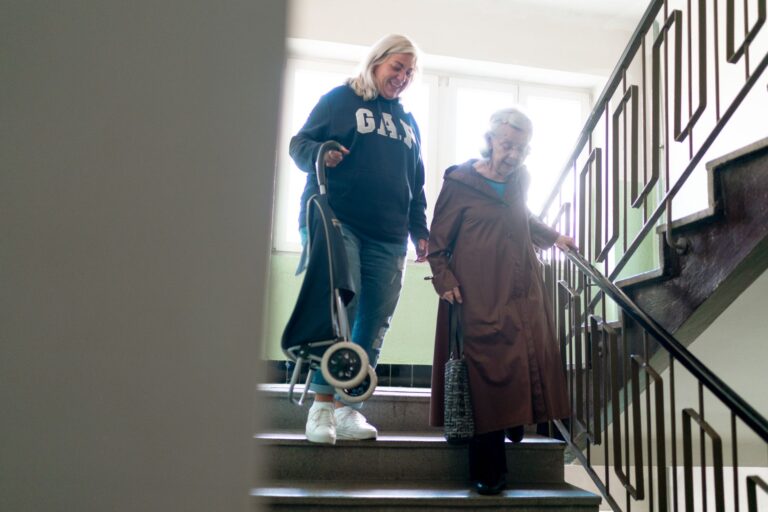
Common starting points include tutoring or mentoring (schools, libraries, literacy organizations), meal delivery (Meals on Wheels, food banks), hospital or hospice support, visiting isolated seniors, hands-on community projects (habitat restoration, community gardens), or faith-based service. Many organizations are willing to accommodate limited availability—2-4 hours per week is perfectly normal. Once you identify a role and organization, expect a short orientation, and don’t be surprised if it takes a few months to feel genuinely useful. You’re building new skills and relationships. However, a real limitation exists: if you have significant mobility challenges, cognitive impairment, or health conditions that make weekly commitment difficult, formal volunteering might not work. Informal helping within your capacity—a weekly phone call to a friend, advice given to a family member—still counts and still protects your brain.
Who Benefits Most, and When Volunteering Isn’t Enough?
The cognitive benefits of volunteering appear across age groups and backgrounds, but they were particularly pronounced in older adults—the very population most vulnerable to cognitive decline. The 15-20% reduction in cognitive decline was observed in a study of U.S. adults followed for two decades, and the benefits were consistent whether participants were in their 60s, 70s, or 80s. For people already showing mild cognitive impairment or early memory concerns, volunteering may not reverse existing damage, but the research suggests it can slow further decline. However, volunteering is a protective factor, not a cure or treatment. If you’ve been diagnosed with Alzheimer’s disease or significant dementia, volunteering won’t reverse it, and it may not be feasible if cognitive loss has progressed.
Similarly, if you’re experiencing depression, severe social anxiety, or other mental health challenges that make group engagement difficult, starting with informal helping—a weekly task you can do alone or with a trusted person—might be the better entry point. And important caveat: the 15-20% reduction in cognitive decline is a population-level benefit. Individual results vary. Some people who volunteer extensively still experience cognitive decline, while some who don’t volunteer may maintain sharp minds into very old age. Genetics, overall health, diet, sleep, and exercise all matter. Volunteering shouldn’t replace other brain-health practices, but it’s a powerful complement to them.

The Stress-Buffering Effect—Why Helping Others Helps Your Brain
A finding from recent research adds a biological layer to why volunteering protects your brain: it buffers the harmful effects of chronic stress on inflammation. Chronic stress elevates inflammatory markers throughout your body, and sustained inflammation is now recognized as a pathway to cognitive decline and dementia. When you volunteer—when you’re engaged in purposeful helping—you’re not just exercising your mind. You’re actively dampening the stress-inflammation connection. This is partly why a brain game, which may exercise cognition, doesn’t offer the same protection.
A game doesn’t reduce your inflammatory burden or address chronic stress pathways. An example makes this concrete: imagine two 70-year-olds with similar levels of job stress or life stress. One plays cognitive games for 30 minutes daily but lives somewhat isolated; the other volunteers 3 hours per week at a community center. Both are exercising their brains, but the volunteer is also receiving the anti-stress, anti-inflammatory benefits of social engagement and purposeful helping. Over 20 years, the volunteer’s cognitive trajectory is likely to be measurably better, in part because their body’s inflammatory markers aren’t accumulating in the same way.
Is Volunteering Sustainable as You Age?
A practical concern: is 2-4 hours per week realistic for someone in their 80s or 90s? The answer is yes, but with flexibility. The research included older adults across a wide age range, and many volunteer well into their 90s. The key is choosing a role that’s sustainable given your health, energy, and mobility. A 90-year-old might volunteer 2 hours weekly at a library shelving books or making phone calls to isolated seniors, while a 70-year-old might commit to hands-on community work.
The cognitive benefit appears consistent across these different roles, as long as the volunteering is regular and socially engaged. Looking forward, as populations age and cognitive health becomes more urgent, volunteering is positioned as one of the most accessible, sustainable cognitive interventions available. It doesn’t require expensive programs, special equipment, or specialized training. It’s free, it connects you to community, and it produces measurable brain protection. For individuals concerned about dementia risk—whether they have a family history, early memory concerns, or simply want to protect their cognitive future—volunteering 2-4 hours per week appears to be one of the highest-return activities available.
Conclusion
The evidence is clear: volunteering for 2-4 hours per week offers profound cognitive protection, with a 15-20% reduction in age-related cognitive decline over decades. This benefit appears more sustainable and comprehensive than brain games alone, because it addresses not just cognitive exercise but also stress reduction, inflammation buffering, and social connection—all of which influence dementia risk.
Whether you volunteer formally through an organization or help informally within your community, the cognitive payoff is real. If you’re concerned about your brain health as you age, volunteering deserves a spot in your cognitive-protection strategy—alongside exercise, diet, sleep, and cognitive engagement. The next step is simple: identify one volunteer opportunity that appeals to you, commit to 2-4 hours per week, and notice not just the difference in your community, but the difference in how your mind feels.
You Might Also Like
- Why Walking With a Friend Provides More Brain Benefits Than Walking Alone for Dementia Prevention
- The Monthly Brain Health Assessment You Can Do at Home Using Just a Pen and Paper
- The 30 Day Dementia Prevention Challenge That Costs Nothing and Could Change Your Brain Health
For more, see National Institute on Aging.